
Beautiful Plants For Your Interior
Beautiful Plants For Your Interior
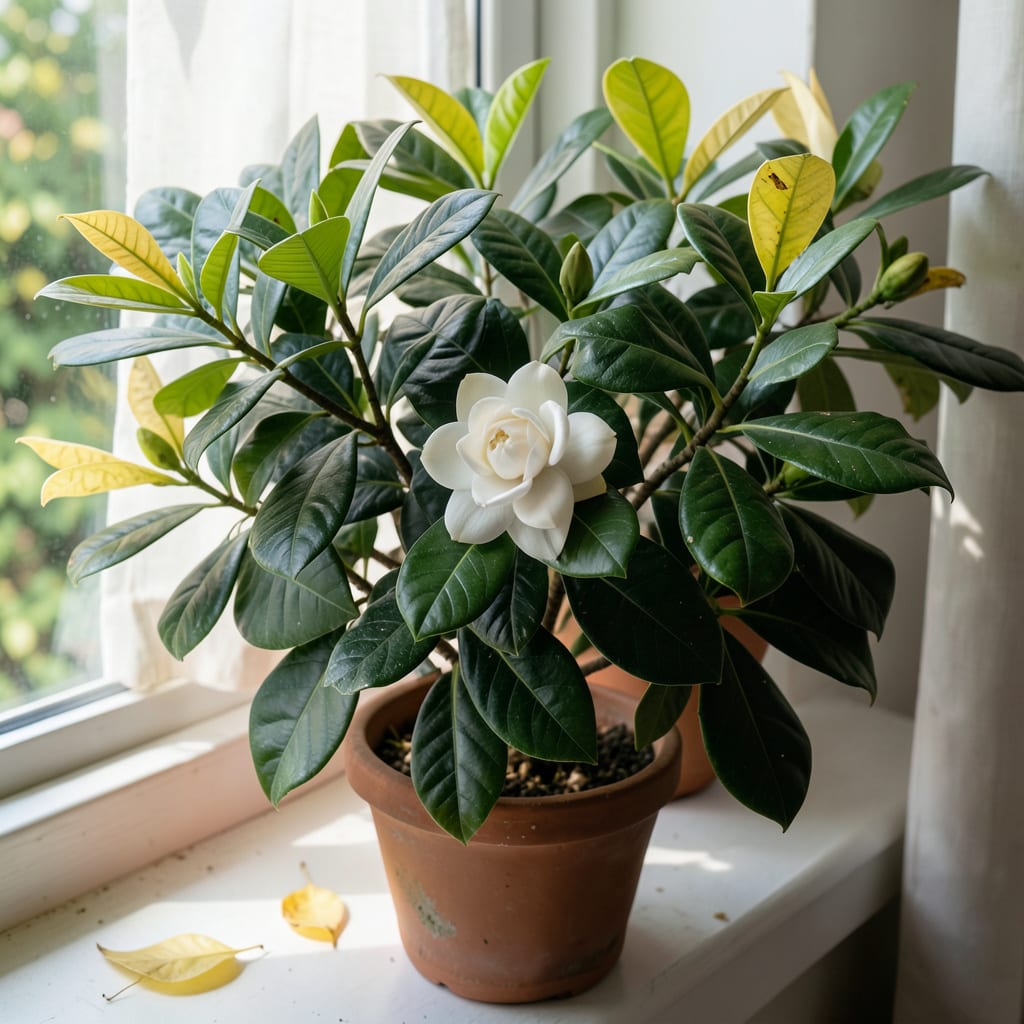
Yellow leaves on your gardenia aren’t just unsightly—they’re a cry for help. 🌱 I’ve seen this happen to mine when the soil pH drifts too high, locking out essential iron even when it’s present.
The pattern tells the story: uniform yellowing often means nitrogen deficiency, while green veins with yellow tissue scream iron shortage. Overwatering creates the same symptom but feels like soggy soil when you check.
Fixes are straightforward once you diagnose correctly. A soil test reveals the pH, and chelated iron or sulfur amendments bring it back to the 5.0-6.0 range gardenias love.
Prevention is simpler than cure. Water only when the top inch feels dry, feed with acid-loving plant food, and watch those leaves return to their glossy green glory.
Gardenia leaves turn yellow due to several specific environmental and nutritional stressors. Here’s a breakdown of the most common causes:
Gardenia plants require acidic soil (pH 5.0–6.0) to absorb iron. When soil pH rises above 6.5, iron becomes insoluble, leading to interveinal chlorosis—yellowing between leaf veins while veins stay green. This is the most frequent cause of yellow leaves in gardenias.
Soggy roots suffocate and rot, preventing nutrient uptake. Yellowing starts at the lower leaves and spreads upward. Check for waterlogged soil or a pot without drainage holes. Gardenias prefer moist but well-drained conditions.
Insufficient light disrupts chlorophyll production, causing uniform yellowing across the leaf. Gardenias need bright, indirect light (4–6 hours daily). Direct sun can scorch leaves, while deep shade starves them of energy.
Nitrogen deficiency causes uniform yellowing of older leaves first. Magnesium deficiency (also pH-dependent) leads to yellowing with brown spots or curling edges. A soil test can confirm which nutrient is lacking.
Gardenia leaves yellow if exposed to drafts, sudden temperature drops below 60°F (15°C), or heat above 85°F (29°C). Cold stress often causes leaf drop alongside yellowing.
Yellow leaves on your gardenia often signal an easy-to-fix issue. Below are targeted solutions for each common cause, plus prevention tips to keep your plant thriving.
If the issue is iron or magnesium deficiency (common in alkaline soil), apply a chelated iron supplement or Epsom salt solution (1 tablespoon per gallon of water) every 2–4 weeks. For general nutrient shortages, switch to a balanced, acid-loving plant fertilizer (e.g., 10-10-10) and follow the package instructions. Prevention tip: 💡 Test your soil annually and amend with compost or sulfur to maintain a pH of 5.0–6.0.
Overwatering or underwatering can both cause yellowing. Check the soil: if it’s soggy, let it dry out slightly between waterings. If it’s bone-dry, water deeply but less frequently (1–2 times per week, depending on climate). Ensure your pot has drainage holes to avoid root rot. Prevention tip: 🎯 Use a moisture meter to monitor soil conditions and water only when the top 1–2 inches are dry.
Gardenia leaves may yellow if they’re getting too much direct sun (scorching) or too little light (weak growth). Move your plant to a spot with bright, indirect light (e.g., east-facing window). If temperatures drop below 60°F (15°C), bring potted gardenias indoors or use a heat lamp. Prevention tip: ✨ Maintain consistent temperatures and avoid drafts or sudden temperature swings.
Inspect the undersides of leaves for spider mites, aphids, or scale. Wipe leaves with a soapy water solution (1 tsp mild soap per quart of water) or apply neem oil weekly until pests are gone. Prevention tip: 🌡️ Regularly mist your plant to deter pests and keep humidity levels between 40–60%.
Check the soil with your finger—if it feels soggy or has a foul odor, overwatering is likely. Yellowing starts at the lower leaves and spreads upward.
Use a soil pH test kit from any garden center. Collect samples from 2-4 inches deep for accurate results. Ideal range for gardenias is 5.0-6.0.
Once leaves turn yellow, they won’t regain their green color. Focus on fixing the underlying issue to prevent new leaves from yellowing.
Feed with an acid-loving plant fertilizer every 4-6 weeks during growing season. Dilute to half strength for potted plants.
