
Beautiful Plants For Your Interior
Beautiful Plants For Your Interior
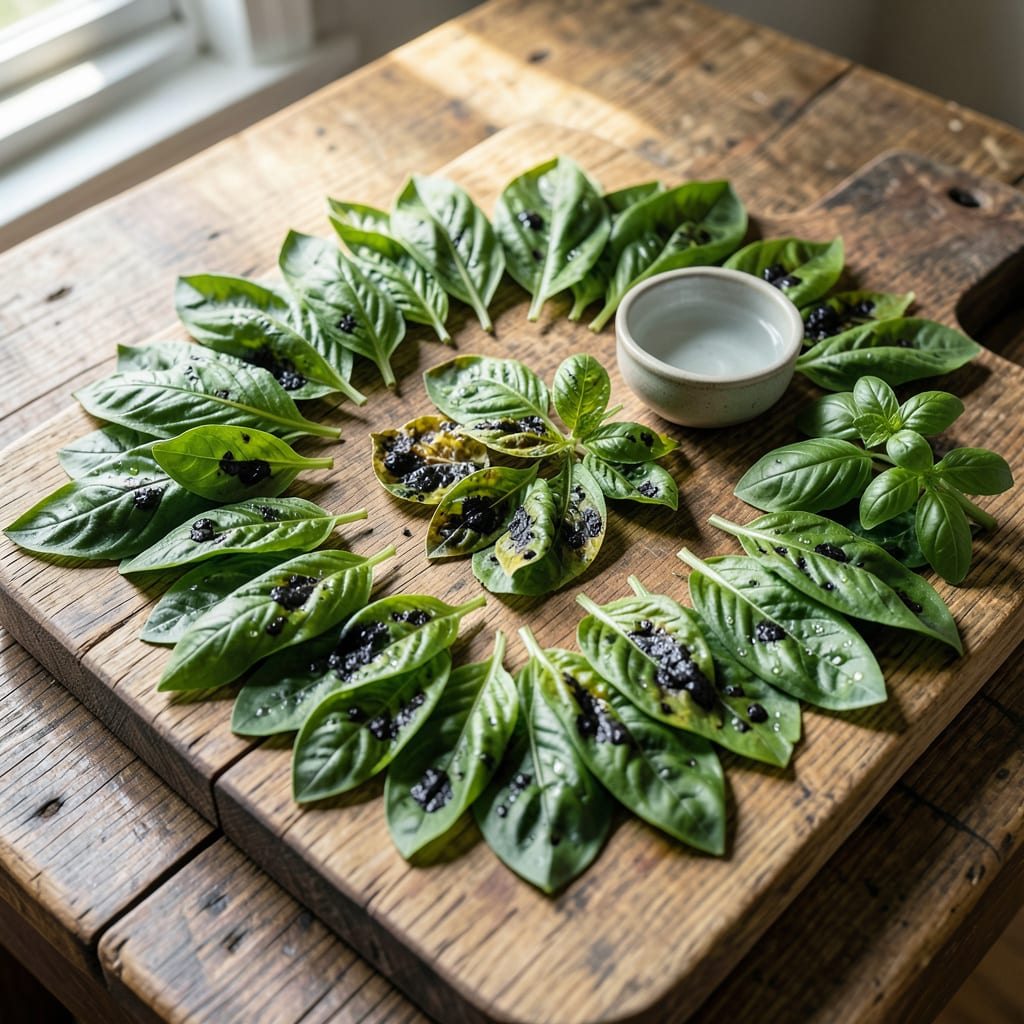
Black spots on basil are every gardener’s nightmare—but they’re fixable. I’ve rescued dozens of plants from this exact issue, and the solution usually starts with identifying whether it’s fungal or pest-related.
The most common culprits are overwatering, poor air circulation, or tiny invaders like aphids. Each leaves its own signature: fungal spots often have fuzzy edges, while pest damage looks more like scattered dots.
Once you know what you’re dealing with, the fix is straightforward. Prune affected leaves, adjust watering, or apply organic treatments. Your basil can bounce back in 7-10 days with the right approach.
Prevention is simpler than you think—just better airflow, consistent watering, and regular inspections. Healthy basil starts with these small, consistent habits.
Black spots on your basil leaves are usually a sign of stress, often caused by environmental factors, pests, or diseases. Here’s a breakdown of the most common culprits:
Fungi like Colletotrichum (anthracnose) or Pseudoperonospora belbahrii (downy mildew) thrive in damp, poorly ventilated conditions. These pathogens produce dark, sunken spots on leaves, often with yellow halos. Overhead watering or high humidity accelerates their spread by keeping foliage wet for extended periods.
Sap-sucking pests such as aphids, thrips, or spider mites can weaken basil, leaving behind black or brown spots where they’ve fed. Their piercing mouthparts damage plant cells, and their sticky honeydew residue can also promote sooty mold—a secondary black fungal growth.
Both overwatering and underwatering can lead to black spots. Overwatering causes root rot, which restricts nutrient uptake and leads to leaf discoloration. Meanwhile, underwatering stresses the plant, causing cell death (necrosis) that appears as dark patches, often starting at the leaf edges.
Extreme temperature swings, cold drafts, or excessive direct sunlight can scorch basil leaves, creating dark, crispy spots. Basil prefers stable conditions (60–80°F) and partial shade in hot climates.
Proper air circulation, consistent watering, and vigilant pest control are key to preventing these issues.
Black spots on basil can stem from different causes, but each has a clear fix. Below, you’ll find targeted solutions paired with prevention tips to keep your basil thriving.
Fix: Remove infected leaves immediately to prevent spread. Apply a copper-based fungicide or a homemade mix of 1 tsp baking soda + 1 quart water + a few drops of dish soap. Spray every 5–7 days until spots disappear.
Prevent: Improve airflow around plants, water at the base (not overhead), and avoid crowded pots. 💡 Pro tip: Water early in the day so leaves dry quickly.
Fix: Wipe leaves with a damp cloth to remove aphids or mites. For stubborn pests, use neem oil spray (mix 1 tbsp oil + 1 tsp dish soap + 1 quart water) every 3–5 days.
Prevent: Inspect plants weekly for early signs. Introduce beneficial insects like ladybugs or use yellow sticky traps to catch adults.
Fix: Move basil to a spot with 6–8 hours of sunlight daily. If leaves scorch, provide afternoon shade. For cold stress, bring pots indoors or use row covers.
Prevent: Maintain consistent moisture—let soil dry slightly between waterings. 🌱 Pro tip: Use mulch to retain soil temperature and moisture.
Fix: Stop watering immediately and let soil dry out. Trim blackened, mushy roots and repot in fresh, well-draining soil. Use pots with drainage holes.
Prevent: Water only when the top inch of soil is dry. ✨ Quick check: Stick your finger in the soil—if it’s damp, wait another day.
Not always. While fungal infections are common, black spots can also result from pest damage, overwatering, or even sunburn from excessive direct light.
Fungal spots often have fuzzy edges or yellow halos. Pest damage looks like tiny dots or speckles, sometimes with sticky residue. A magnifying glass can help spot tiny insects.
It’s best to avoid eating affected leaves. Fungal spores or pest residue may be present. If only a few leaves are spotted, simply remove them and wash the rest thoroughly before use.
Yes, if the roots are still healthy. Prune all spotted leaves, improve growing conditions, and treat with appropriate remedies. New growth should appear within 7-10 days.
