
Beautiful Plants For Your Interior
Beautiful Plants For Your Interior
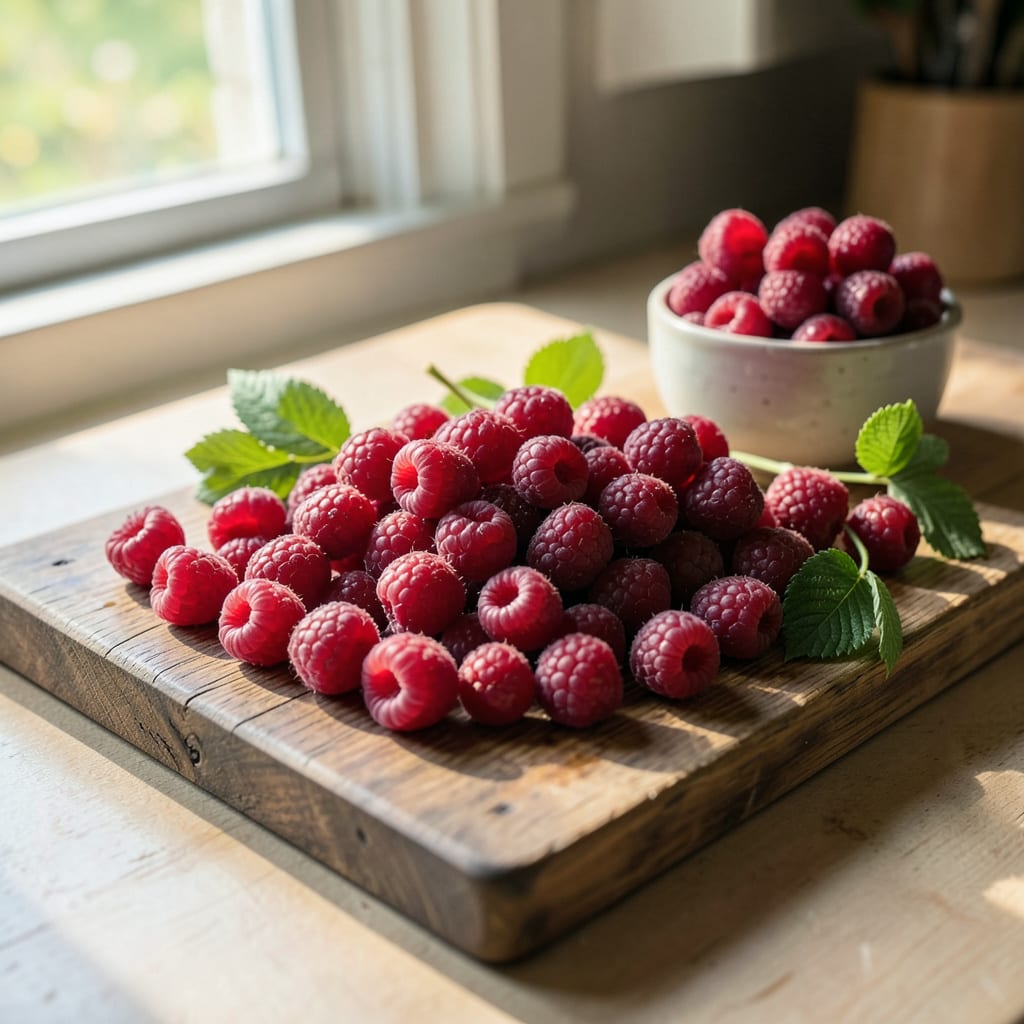
White spots on your raspberries are usually trouble—powdery mildew, mites, or even sunburn can cause them. I’ve lost a few harvests learning this the hard way.
Most often it’s a fungal issue, especially if the spots look dusty or spread fast. Pests like spider mites leave tiny webs, while heat stress creates dry, bleached patches.
Don’t panic though. With the right treatment, your plants can bounce back in 2-3 weeks. The key is catching it early and acting fast.
Works for home gardens, backyard patches, or container raspberries. Let’s fix this.
White spots on your raspberries can stem from several underlying issues, often tied to environmental conditions or biological factors. Here’s a breakdown of the most common causes:
Fungi like Powdery Mildew (Podosphaera aphanis) thrive in warm, humid conditions. This pathogen forms a white, powdery coating on leaves, stems, and fruit, disrupting photosynthesis and fruit quality. Another culprit, Botrytis cinerea (gray mold), can create fuzzy white or grayish spots, especially in dense canopies with poor air circulation.
Insects such as raspberry cane borers or spotted wing drosophila may lay eggs on fruit, leading to white larvae or feeding scars. Aphids and mites can also cause stunted growth and discoloration, sometimes leaving behind white, waxy residues.
A lack of essential nutrients like magnesium or zinc can manifest as white or yellowish spots on leaves and fruit. Magnesium deficiency, for instance, often appears as interveinal chlorosis (white or yellow patches between veins), while zinc deficiency may cause irregular white spotting on newer growth.
Overhead watering or excessive moisture can create ideal conditions for fungal growth. Similarly, sun scald—caused by intense sunlight on water-droplet-covered fruit—can lead to white, bleached spots. Poor soil drainage or compacted roots may also stress the plant, making it more susceptible to diseases.
White spots on raspberries can stem from different causes, but each has a practical solution. Below are targeted fixes for the most common issues, along with prevention tips to keep your plants healthy.
Fix: Remove and destroy infected leaves or canes immediately to prevent spread. Apply neem oil or a baking soda solution (1 tbsp baking soda + 1 tsp dish soap + 1 gallon of water) as a foliar spray every 7–10 days. For severe cases, use a copper-based fungicide.
Prevention: Improve air circulation by pruning dense growth. Water at the base of the plant (avoid wetting leaves) and space raspberry canes at least 2 feet apart. 💡 Pro tip: Plant resistant varieties like ‘Nova’ or ‘Caroline’ for long-term relief.
Fix: Blast pests off with a strong stream of water, then apply insecticidal soap or horticultural oil. For stubborn infestations, introduce beneficial insects like ladybugs or lacewings.
Prevention: Keep the garden free of debris and weeds where pests hide. Regularly inspect the undersides of leaves for early signs. ✨ Bonus: Companion planting with marigolds or garlic can deter pests naturally.
Fix: Test soil pH (raspberries prefer 5.5–6.5). Amend with lime (for calcium) or Epsom salt (for magnesium: 1 tbsp per gallon of water) as a soil drench. Yellowing leaves with white spots often signal magnesium deficiency.
Prevention: Enrich soil annually with compost or well-rotted manure. Mulch with straw to retain moisture and nutrients. 🎯 Remember: Over-fertilizing with nitrogen can worsen imbalances—stick to balanced organic options.
Fix: Provide afternoon shade with a shade cloth (30–40% density) during heatwaves. Ensure consistent watering—drought stress can mimic disease symptoms.
Prevention: Plant raspberries in a spot with morning sun and partial afternoon shade. Use drip irrigation to maintain even soil moisture. 🌡️ Key: Avoid overhead watering in hot weather to prevent leaf scorch.
No, while powdery mildew is common, other culprits include pests like mites or aphids, nutrient deficiencies, or even sun scald. Always inspect closely to identify the exact issue.
It depends on the cause. If it’s sun scald or a minor nutrient issue, they’re safe. For fungal or pest-related spots, it’s best to discard affected fruit to avoid health risks.
Improve air circulation, water at the base, and maintain soil health with compost. Regular inspections and early treatment of pests or diseases are key to prevention.
