
Beautiful Plants For Your Interior
Beautiful Plants For Your Interior
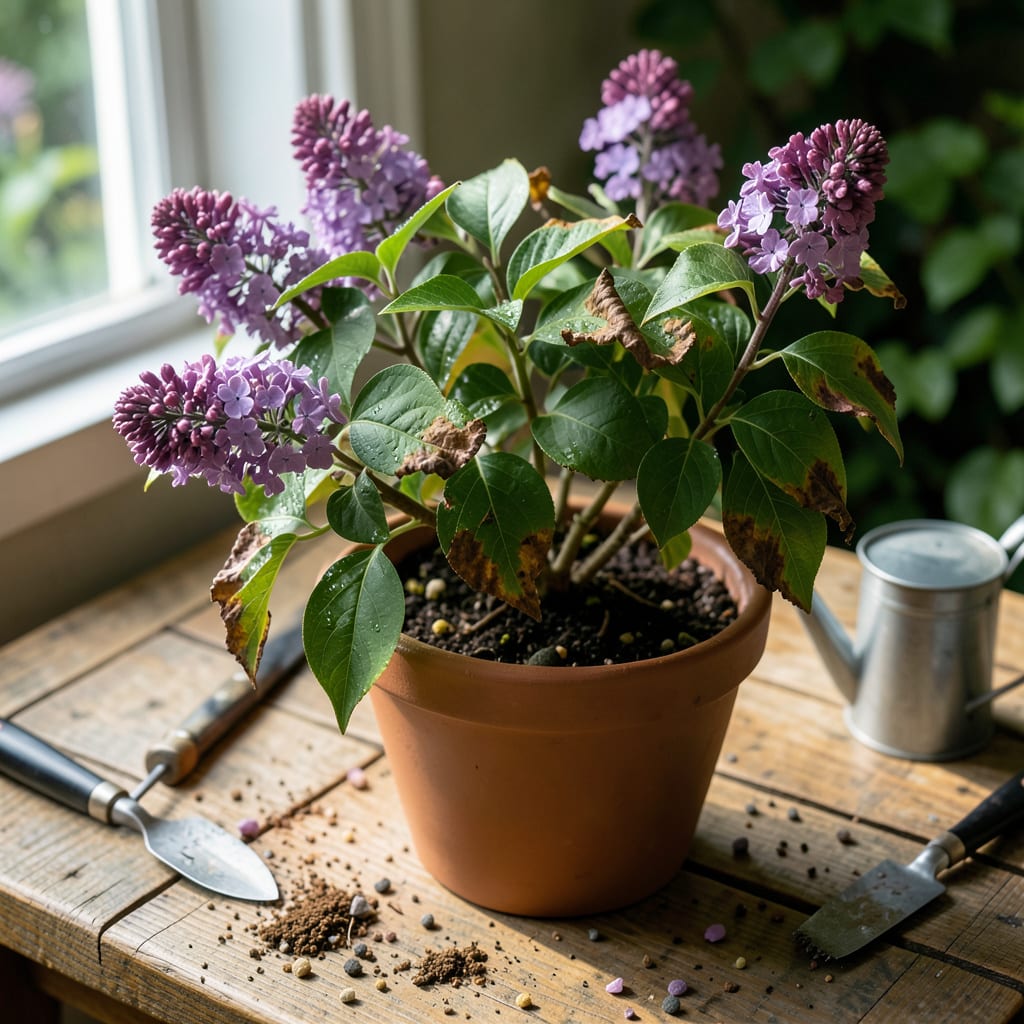
Brown, crispy lilac leaves always signal a plant in distress. I’ve seen this exact issue turn a vibrant bush into a sad skeleton in 2 weeks if ignored.
Usually, it’s one of four culprits: bone-dry soil, a fungal ambush, hungry pests, or soil that’s starving your bush of nutrients. The fix starts with playing detective—check the soil, inspect the leaves, and look for telltale spots or webbing.
Once you pinpoint the problem, revival is often simpler than you think. A deep watering, a fungicide spray, or a nutrient boost can bring those leaves back to their lush purple-green glory.
Catch it early, and your lilacs will thank you with next season’s blooms. Here’s how to diagnose and treat it right now.
Brown, crispy leaves on your lilac shrub are a distress signal, often tied to environmental stress or care missteps. Below are the most common causes, explained with actionable insights.
Lilacs thrive in moderate climates, and prolonged heat or drought can desiccate leaves, turning them brown and brittle. When soil moisture drops, the plant conserves water by sacrificing older leaves first. This is especially common in late summer or in regions with low humidity.
Why it happens: Transpiration (water loss through leaves) outpaces water uptake from dry soil, leading to cellular damage.
While lilacs need consistent moisture, soggy soil or waterlogged roots suffocate the plant, preventing nutrient absorption. This triggers leaf scorch—where edges turn brown and crisp—mimicking drought symptoms. Poor drainage (e.g., clay soil or compacted beds) exacerbates the issue.
Why it happens: Roots deprived of oxygen cannot sustain healthy foliage, and fungal growth (like Phytophthora) may further damage tissues.
Excessive fertilizer salts, de-icing salts, or herbicides in the soil can draw moisture out of roots, causing rapid browning. Lilacs are sensitive to high soil salinity, which disrupts their vascular system. Symptoms often appear within days of exposure.
Why it happens: Osmotic stress occurs when salt concentrations outside roots exceed those inside, leading to dehydration at a cellular level.
Pathogens like Botryosphaeria (causing leaf blight) or Verticillium wilt block water flow in stems, starving leaves of hydration. Infected leaves develop irregular brown patches or curl before crisping. Wet, humid conditions speed up fungal spread.
Why it happens: Fungi colonize vascular tissues, clogging the plant’s “plumbing” and cutting off nutrient transport.
Sucking insects like aphids, scale, or spider mites drain sap from leaves, causing stippling, yellowing, and eventual browning. Severe infestations weaken the plant, making it more susceptible to secondary stress.
Why it happens: Pierced leaf cells lose turgor pressure (internal moisture), leading to necrosis (tissue death).
Once you’ve identified the cause, these targeted fixes will help nurse your lilac back to health—fast.
Give your lilac a slow, deep soak at the base (not the leaves) once or twice a week, depending on rainfall. Aim for 1–2 inches of water per session to encourage deep root growth. Prevention tip: 💡 Mulch with 2–3 inches of organic material (like wood chips) to retain moisture and keep roots cool.
Stop watering immediately and let the soil dry out. If the area stays soggy, amend the soil with compost or sand to boost drainage. For potted lilacs, ensure containers have drainage holes. Prevention tip: ✨ Stick your finger 2 inches into the soil—if it’s damp, hold off on watering.
Remove all affected leaves and branches (dispose of them—don’t compost!) to stop the spread. Apply a copper-based fungicide or neem oil spray, following label instructions. Prevention tip: 🎯 Space plants for airflow, and water early in the day so leaves dry quickly.
Blast aphids or mites off with a strong stream of water. For stubborn pests, use insecticidal soap or horticultural oil. Prevention tip: 🔥 Encourage beneficial insects (like ladybugs) by planting pollinator-friendly flowers nearby.
Test your soil’s pH (lilacs prefer 6.0–7.5). If it’s too acidic, add lime; if too alkaline, mix in sulfur or peat moss. For nutrient deficiencies, work in a balanced fertilizer (10-10-10) in early spring. Prevention tip: 🌱 Re-test soil every 2–3 years to stay ahead of imbalances.
Yes, intense afternoon sun combined with dry soil can scorch leaves. Lilacs prefer full sun to partial shade and consistent moisture. Consider adding shade cloth during peak heat hours if your climate is particularly hot.
Look for brown spots with purple or black borders, or fuzzy growth on the undersides of leaves. Fungal problems often start on lower leaves and spread upward. A copper fungicide can help if caught early.
If the roots are still healthy, yes! Adjust your watering to 1-2 inches per week, focusing on the base. Remove severely damaged leaves to redirect energy to new growth. Recovery typically takes 2-4 weeks.
Avoid fertilizing stressed plants—it can worsen the problem. Wait until you see new growth, then use a balanced 10-10-10 fertilizer. Over-fertilizing can lead to salt burn, causing more browning.
