
Beautiful Plants For Your Interior
Beautiful Plants For Your Interior
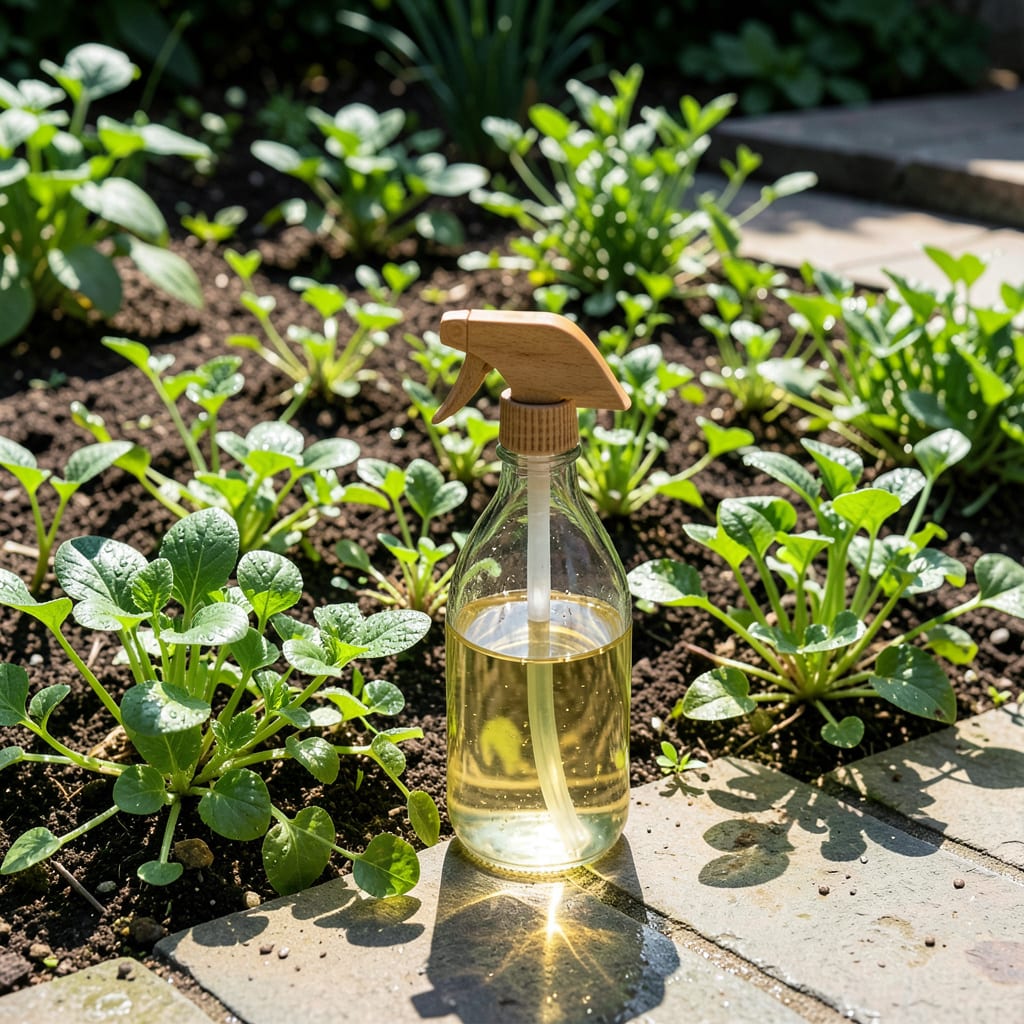
I’ve battled weeds in my garden for years, and white vinegar became my go-to solution. It’s a natural, chemical-free way to reclaim your flower beds and walkways without harming the environment.
One spray on a sunny day, and those stubborn weeds start wilting within hours. The acetic acid breaks down plant cells, but it works best on young, tender growth. Just be careful—it doesn’t discriminate between weeds and your prized petunias.
📚 In This Guide
This natural approach eliminates weeds without harsh chemicals or complicated mixing.
Pick a sunny day with no rain forecast for at least 24-48 hours. White vinegar works best when weeds are actively growing and the sun can amplify its effects. I always check the weather app first—nothing ruins the process faster than a surprise shower washing away your work.
Apply in the morning when temperatures are rising. The combination of vinegar and direct sunlight creates a one-two punch that dries out weeds faster. Avoid windy days too, because you want the spray to land precisely where you aim it, not drift onto your prized roses.
For young, tender weeds, regular household white vinegar (5% acetic acid) often does the trick. I’ve found it effective on dandelions just emerging in spring. For tougher, established weeds like crabgrass or thick clumps of chickweed, you’ll need horticultural vinegar with 20-30% acetic acid.
The stronger stuff works faster but requires more caution—it can damage nearby plants and irritate skin. Always wear gloves when handling higher concentrations. Test a small area first if you’re unsure which strength your weeds need.
Pour the vinegar into a spray bottle and apply directly to the leaves of the weeds, thoroughly coating them. Don’t worry about getting the roots—the vinegar works by breaking down the cell structure of the leaves, which then prevents the plant from photosynthesizing.
Be precise with your aim. This isn’t the time for a careless sweep of the bottle. I use a spray bottle with an adjustable nozzle set to stream rather than mist for better control. For extra stubborn weeds, you might need a second application after 3-5 days.
You’ll typically see results within 24 hours as the leaves begin to wilt and brown. Don’t be alarmed if it takes a bit longer in cooler weather—vinegar works slower when temperatures drop below 60°F. Full die-off usually occurs within 3-7 days.
Resist the urge to pull the weeds immediately. The vinegar needs time to work through the entire plant. Once the foliage is completely brown and crispy, you can remove the dead weeds easily. If any green regrowth appears, hit those spots with another targeted spray.
After treating the area, lay down a 2-3 inch layer of mulch to suppress new weed growth. I like using organic mulches like wood chips or straw because they break down over time and improve the soil. This also keeps the vinegar from leaching into untargeted areas.
For pathways or areas where you don’t want any plant growth, consider applying vinegar as a pre-emergent treatment every 4-6 weeks during the growing season. This keeps new weeds from taking hold before they even sprout. Just remember—vinegar is non-selective, so it will kill any plant it touches.
These practical pointers will help you get the most out of this natural weed control method.
Weather Window: That 24-48 hour dry spell mentioned in Step 1 isn’t just a suggestion—it’s critical. Even a light drizzle can dilute the vinegar before it has time to work. I’ve had to redo entire sections of my garden after ignoring this rule.
Temperature Insight: The 60°F threshold in Step 4 makes a real difference. When temperatures dip below this, the vinegar’s effectiveness slows dramatically. If you’re treating weeds in early spring or fall, consider waiting for a warmer day or using the stronger horticultural vinegar to compensate.
Precision Matters: In Step 3, when applying to foliage, remember that overspray can damage nearby plants. I learned this the hard way when I accidentally browned a patch of my favorite perennials. Use that stream setting on your spray bottle and consider shielding nearby plants with cardboard.
Patience Pays Off: The 3-5 day wait for reapplication in Step 3 and the 3-7 day die-off period in Step 4 test many people’s resolve. Trust the process—pulling weeds too soon often leaves roots behind that will regrow. The brown, crispy foliage is your signal that it’s safe to remove.
White vinegar (5% acetic acid) can kill young weeds but may not eliminate deep roots. For tougher weeds, use horticultural vinegar (20-30% acetic acid) or reapply as needed. It’s best for annual weeds in driveways or patios.
Apply on a sunny, dry day for maximum effectiveness. The heat helps the vinegar work faster. Early morning or midday is ideal, as rain can wash it away before it takes full effect.
Yes! A common mix is 1 gallon of vinegar, 1 cup of salt, and 1 tbsp of dish soap. The salt dries out weeds, while soap helps the solution stick. Test on a small area first to avoid harming desired plants.
Vinegar can lower soil pH and harm nearby plants, especially if oversprayed. Use a targeted approach, like a spray bottle, and avoid garden beds with sensitive plants. Rinse soil with water if accidental contact occurs.
Older or deep-rooted weeds may need multiple treatments or stronger vinegar. Ensure you’re using enough acetic acid (5% or higher) and applying it directly to the leaves. Shade or rain can also reduce effectiveness.
