
Beautiful Plants For Your Interior
Beautiful Plants For Your Interior
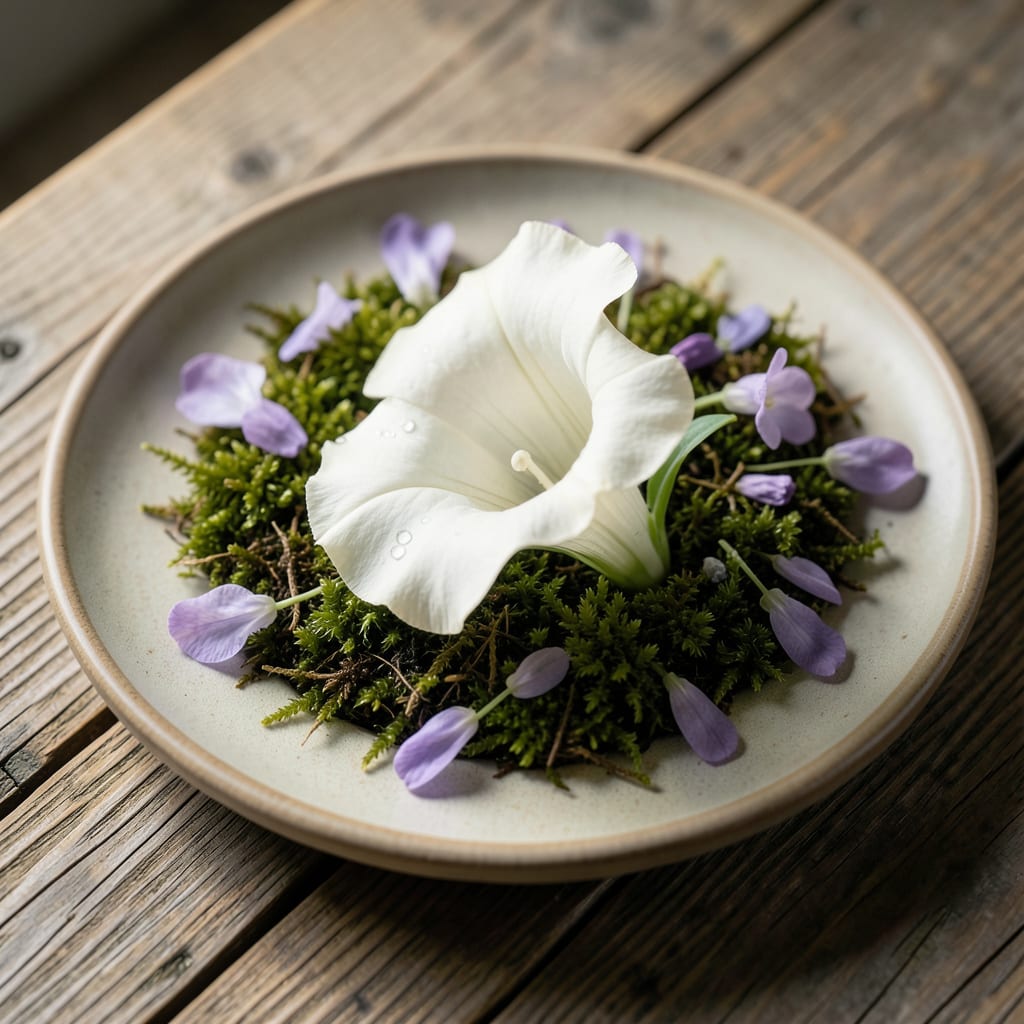
That first evening scent from white trumpet blooms stops me in my tracks. 🌟 These elegant wildflowers transform any garden corner into a moonlit display with their dramatic, bell-shaped flowers.
They thrive in full sun with well-draining soil, and once established, they’ll return year after year with minimal care. The key is giving them enough space to show off their stunning 6-inch blooms.
📚 In This Guide
Here’s the method I rely on for stunning white trumpet blooms in any garden.
Select a spot with full sun to partial shade—Belladonna lilies thrive in 6+ hours of direct sunlight but appreciate afternoon shade in hotter climates. The soil must drain well; these bulbs rot in soggy conditions. Test drainage by digging a 1-foot-deep hole, filling it with water, and ensuring it empties within 1-2 hours.
I always amend heavy clay with compost or sand to improve drainage. The ideal soil pH is 6.0-7.0. If your soil is acidic, add lime to adjust. Avoid low-lying areas where water pools after rain—this is the fastest way to lose bulbs to rot.
Plant bulbs in spring or fall, positioning them 4-6 inches deep and 8-12 inches apart. The pointed end should face upward. In colder zones (USDA 7 and below), plant deeper (6-8 inches) for winter protection. In warmer zones, 4 inches is sufficient.
Dig individual holes or a trench for multiple bulbs. Place the bulb in the hole, then backfill with native soil, pressing gently to eliminate air pockets. Water thoroughly after planting to settle the soil. Here’s the thing—you won’t see foliage immediately. Belladonna lilies are summer-dormant, so expect leaves in fall or winter.
Water deeply after planting, then reduce frequency once established. These plants are drought-tolerant but bloom best with consistent moisture during the growing season. Aim for 1 inch of water weekly, either from rainfall or irrigation. Let the top 1-2 inches of soil dry out between waterings to prevent rot.
Fertilize in early spring with a balanced, low-nitrogen fertilizer (e.g., 5-10-10). Apply again when flower buds appear to encourage larger blooms. I use a slow-release granular fertilizer, which feeds the bulbs over 2-3 months without risk of burning. Avoid high-nitrogen fertilizers—they promote leafy growth at the expense of flowers.
Deadhead spent flowers to prevent seed formation, which diverts energy from bulb growth. However, leave the foliage intact until it yellows naturally—this feeds the bulb for next year’s blooms. In colder climates, apply a 2-3 inch layer of mulch in late fall to insulate the soil and protect bulbs from freeze-thaw cycles.
Real talk: Belladonna lilies can be slow to establish. Don’t be alarmed if you see no blooms the first year. By the second or third year, each bulb will produce multiple flower stems with 5-10 trumpet-shaped blooms. Divide clumps every 3-4 years in early fall to rejuvenate the planting and increase your stock.
These plants are relatively pest-free, but watch for aphids or spider mites, especially in dry conditions. A strong blast of water often dislodges them. For severe infestations, use insecticidal soap, but avoid spraying when flowers are open to protect pollinators.
Fungal diseases like botrytis can occur in humid conditions. Improve air circulation by spacing plants properly and watering at the base of the plant, not overhead. If you notice brown spots on leaves, remove affected foliage immediately and treat with a copper-based fungicide if necessary.
Took me a few seasons to figure these out, so learn from my mistakes.
Soil Preparation: In Step 1, that drainage test with the 1-foot-deep hole is non-negotiable—if water doesn’t empty within 1-2 hours, amend with compost or sand. I learned this the hard way after losing three bulbs to rot in a low-lying spot. Trust me on this.
Planting Depth: For Step 2, stick to the 4-6 inches deep guideline unless you’re in USDA zone 7 or below, where 6-8 inches protects against winter freezes. Planting too shallow in cold climates means bulbs won’t survive the first frost.
Watering Wisdom: The 1 inch weekly rule in Step 3 works perfectly, but here’s what nobody tells you—overwatering is worse than underwatering. Let the top 1-2 inches of soil dry out completely between waterings to prevent bulb rot.
Patience Pays Off: Don’t panic if you see no foliage after planting. As mentioned in Step 2, Belladonna lilies are summer-dormant, so leaves won’t appear until fall or winter. I’ve had gardeners dig up bulbs thinking they were dead—just wait it out!
The Belladonna Lily (Amaryllis belladonna) is a popular white trumpet-shaped wildflower, known for its elegant, fragrant blooms. It’s often confused with the Easter Lily or Daffodil but stands out with its long, tubular shape.
Most bloom in late summer to early fall, like the Belladonna Lily, which flowers in August or September. Others, such as the Datura or Moonflower, bloom at night during warmer months.
Yes! Many, like the Belladonna Lily, thrive in well-drained soil and full sun to partial shade. They’re low-maintenance but may need winter protection in colder climates.
Consider Zepyhrantes (Rain Lily), Polianthes tuberosa (Tuberose), or Ipomoea alba (Moonflower) for similar trumpet shapes and fragrance.
Check for insufficient sunlight, poor soil drainage, or overwatering. Fertilize sparingly and ensure bulbs aren’t crowded. Patience is key—some take a year to establish!
