
Beautiful Plants For Your Interior
Beautiful Plants For Your Interior
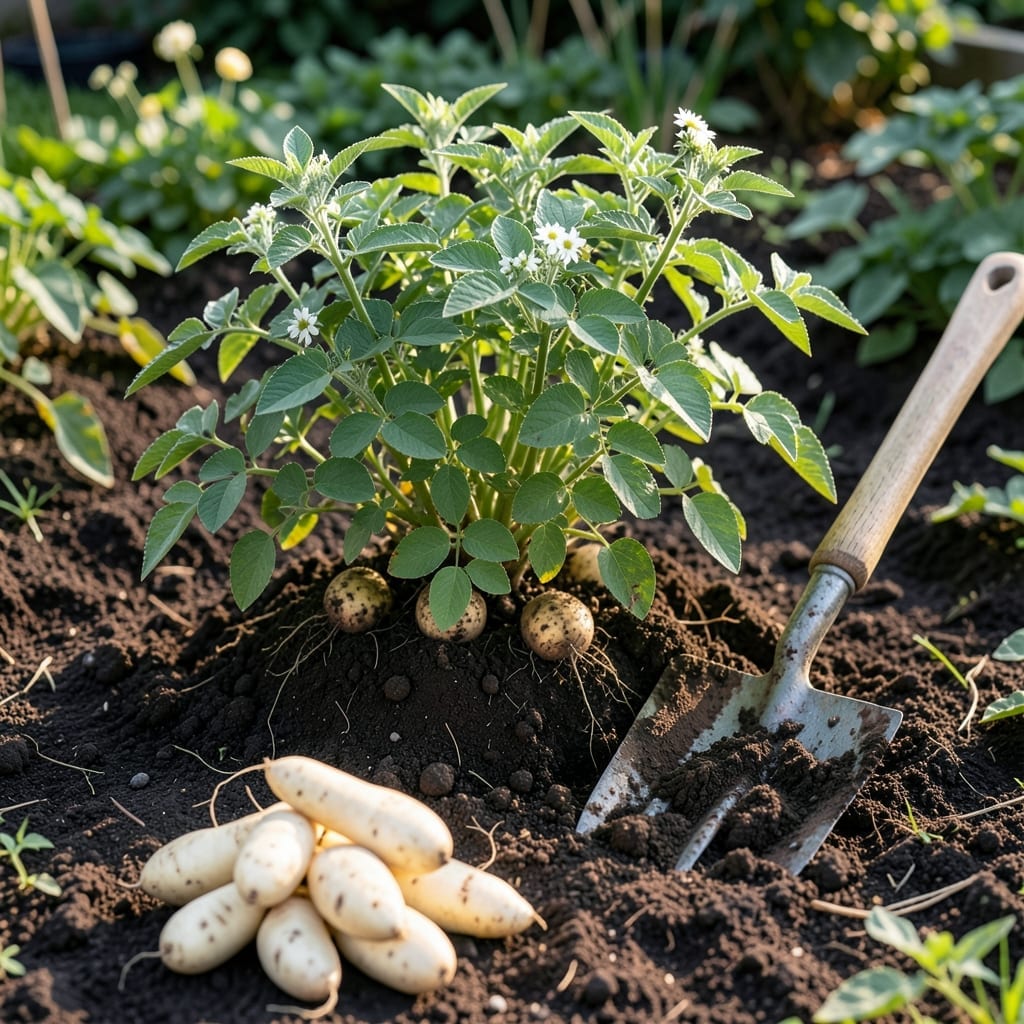
White sweet potatoes changed my approach to gardening completely. Their creamy texture and mild flavor make them a standout, and they’re surprisingly disease-resistant with the right care.
I’ve grown them in sandy loam and clay, and they thrive with consistent moisture and full sun. The vines spread fast, so give them room—you’ll be rewarded with a bountiful, low-maintenance harvest.
📚 In This Guide
Here’s the method I rely on for consistent, healthy harvests every season.
Choose a location with full sun exposure and well-draining soil. White sweet potatoes thrive in loose, sandy loam with a pH between 5.8 and 6.5. I always test my soil first and amend it with compost to improve fertility and structure.
Work the soil to a depth of 12-15 inches, removing any rocks or debris that could obstruct root development. Create raised beds or ridges about 6-8 inches high and 3 feet apart to ensure proper drainage and prevent waterlogging, which can lead to rot.
Start with healthy slips—young plants grown from sweet potato sprouts. Plant them after the last frost when soil temperatures reach at least 60°F. In my experience, slips planted in cooler soil often struggle to establish and grow slowly.
Space slips 12-18 inches apart in rows 3 feet apart. Plant them 4-6 inches deep, covering the stem up to the first set of leaves. This encourages strong root development. Water immediately after planting to help settle the soil around the roots.
Keep the soil evenly moist but not waterlogged, especially during the first 3-4 weeks after planting. I water deeply once a week, providing about 1-1.5 inches of water, and adjust based on rainfall. Overwatering can lead to cracking or rot in the tubers.
Apply a 2-3 inch layer of organic mulch, such as straw or pine needles, around the plants to retain moisture, suppress weeds, and regulate soil temperature. Mulching also prevents the soil from crusting, which can inhibit root growth.
White sweet potatoes are light feeders, but they benefit from a balanced fertilizer applied at planting and again after 4-6 weeks. I use a 10-10-10 or 5-10-10 fertilizer, applying it in a band 6 inches to the side of the row to avoid burning the plants.
Watch for signs of nutrient deficiencies, such as yellowing leaves, which may indicate a need for nitrogen. Avoid excessive nitrogen, though, as it can promote leafy growth at the expense of tuber formation. Regularly check for pests like sweet potato weevils or whiteflies, which can damage both foliage and tubers.
White sweet potatoes are typically ready to harvest 90-120 days after planting, depending on the variety and growing conditions. I start checking for maturity when the vines begin to yellow and die back, a sign that the tubers have reached their full size.
Use a garden fork or spade to carefully lift the tubers from the soil, taking care not to bruise or cut them. Cure the harvested sweet potatoes in a warm, humid environment—around 80-85°F with 80-90% humidity—for 5-10 days to heal any wounds and improve storage life. Store them in a cool, dry place at 55-60°F.
These small adjustments make a big difference in preventing disease and maximizing your harvest.
Soil Preparation Insight: In Step 1, testing your soil pH to the 5.8-6.5 range isn’t just a suggestion—it’s critical. White sweet potatoes struggle to absorb nutrients outside this window, leaving them vulnerable to disease. I learned this the hard way after losing an entire crop to root rot in slightly acidic soil.
Planting Depth Matters: When following Step 2, resist the urge to bury slips deeper than 1 inch of stem. Planting too deep delays emergence and increases the risk of stem rot. Pressing the soil firmly around each slip, as mentioned, eliminates air pockets that stress young plants.
Watering Wisdom: The 1-2 inches of water immediately after planting in Step 2 is non-negotiable, but what comes next is just as important. Overwatering during the first week is a common mistake. Wait until the top inch of soil feels dry—this encourages deep root growth and prevents rot.
Curing Technique: Don’t skip the curing step in Step 4. Those 5-10 days at 85-90°F with high humidity aren’t just for flavor—they’re essential for healing any minor cuts or bruises from harvesting. Without proper curing, your tubers won’t store well and may develop soft spots within weeks.
Both are nutritious, but white sweet potatoes have slightly more fiber and fewer calories. Orange varieties pack more vitamin A (beta-carotene), while white ones offer a milder flavor and creamier texture.
Yes! Use a large container (at least 12 inches deep) with well-draining soil. Ensure full sun and consistent watering. They thrive in containers but may yield smaller tubers than in-ground planting.
Yellowing leaves often signal overwatering, nutrient deficiency (like nitrogen), or disease. Check soil moisture, fertilize if needed, and inspect for pests or fungal issues.
They typically mature in 90–120 days, depending on the variety and growing conditions. Harvest when vines start yellowing or after the first frost for the best flavor.
Store in a cool (55–60°F), dark, and well-ventilated place. Avoid refrigeration, as cold temperatures can alter their taste. Properly stored, they can last 1–2 months.