
Beautiful Plants For Your Interior
Beautiful Plants For Your Interior
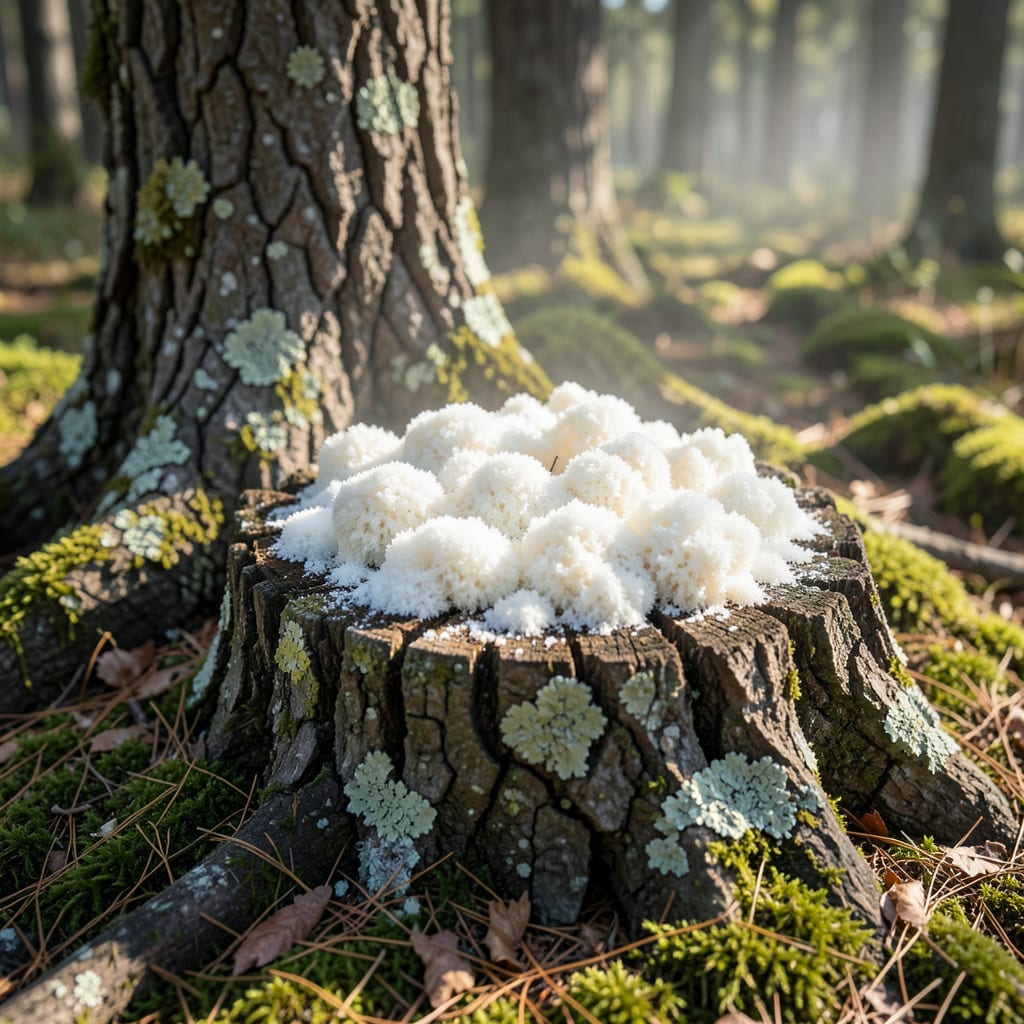
White patches on tree bark always get my attention. 🌿 I’ve seen enough gardens to know it’s rarely good news—usually fungus, lichen, or pests setting up shop.
Most cases start with excess moisture or poor airflow. The white stuff spreads fast if ignored, but catching it early makes removal 100% easier. A simple inspection tells you whether it’s harmless lichen or a serious infection.
Safe treatment often means a gentle scrub with soapy water or a targeted fungicide. Prevention is even simpler: improve air circulation and avoid overhead watering.
If the problem covers 30% or more of the bark, call in a pro. Some fungi can kill a tree in a single season.
The white stuff on tree bark usually stems from a few common biological and environmental factors. Below are the primary causes, explained with actionable insights.
Many white substances are fungal infections, such as powdery mildew or lichen. Fungi thrive in damp, shaded conditions, breaking down organic matter on the bark. Powdery mildew appears as a white, powder-like coating, while lichen forms crusty, leaf-like patches. Both are harmless to healthy trees but can indicate poor air circulation or excessive moisture.
Lichen, a symbiotic mix of fungi and algae, often appears as white, gray, or greenish patches. It grows slowly and prefers clean air, making it a sign of good environmental quality. Algae, on the other hand, can create a thin, white-green film in consistently wet areas. Neither typically harms the tree but may reduce its aesthetic appeal.
Some pests, like meal bugs or scale insects, leave behind white, cottony residues. These pests feed on tree sap and excrete a sticky substance called honeydew, which can attract sooty mold, further whitening the bark. Check for tiny insects or webbing if you suspect an infestation.
White deposits can also result from mineral deposits (e.g., lime or calcium) in water runoff or salt spray in coastal areas. These are harmless but may accumulate over time, giving the bark a chalky appearance. Rinsing the tree with fresh water can help remove these deposits.
If you’ve spotted white stuff on your tree bark, don’t panic—most causes are treatable. Below are practical solutions tailored to common culprits, along with prevention tips to keep your trees healthy.
Fix: Mix 1 tablespoon baking soda + 1 teaspoon dish soap + 1 gallon water in a spray bottle. Apply to affected areas on a dry, overcast day. For stubborn cases, use a copper-based fungicide (follow label instructions). Prune heavily infected branches to stop the spread.
Prevent: Improve air circulation by thinning branches. Water at the base—not the leaves—and avoid overhead sprinklers. 💡 Pro tip: Rake and remove fallen leaves to reduce fungal spores in the soil.
Fix: Wipe infested bark with a cotton swab dipped in rubbing alcohol (70%) to kill pests on contact. For larger outbreaks, spray with neem oil or insecticidal soap (reapply every 7–10 days). Introduce natural predators like ladybugs for long-term control.
Prevent: Inspect trees regularly, especially new plants. Quarantine infested trees to prevent spreading. 🎯 Pro tip: Apply a dormant oil spray in late winter to smother overwintering pests.
Fix: Lichen is harmless but can be removed for aesthetics. Gently scrub with a soft-bristle brush and soapy water. Rinse with a hose. Avoid harsh chemicals—they can damage bark.
Prevent: Lichen thrives in damp, shaded areas. Prune to increase sunlight and airflow. If residue is from pollution (e.g., dust), regular hosing can help.
Fix: White, cracked bark from sunscorch won’t heal, but you can wrap the trunk with tree guard in late fall to prevent further damage. Paint affected areas with a diluted white latex paint to reflect sunlight.
Prevent: Water deeply before winter to hydrate roots. Apply 2–4 inches of mulch around the base (keep it away from the trunk). ✨ Pro tip: Young trees are most vulnerable—use burlap wraps for extra protection.
Lichen and mineral deposits are harmless, but fungal growth or pests can weaken the tree over time. Always identify the cause first to determine the right action.
Fungus often looks powdery or fuzzy, while lichen forms flat, leaf-like patches. Scrape a small area—lichen is tough to remove, but fungus wipes away easily.
Avoid harsh chemicals like bleach, as they can damage bark. A mild soap-and-water scrub works for most cases without harming the tree.
If the white substance covers 30% or more of the bark or the tree shows signs of decline, seek professional help immediately.
