
Beautiful Plants For Your Interior
Beautiful Plants For Your Interior
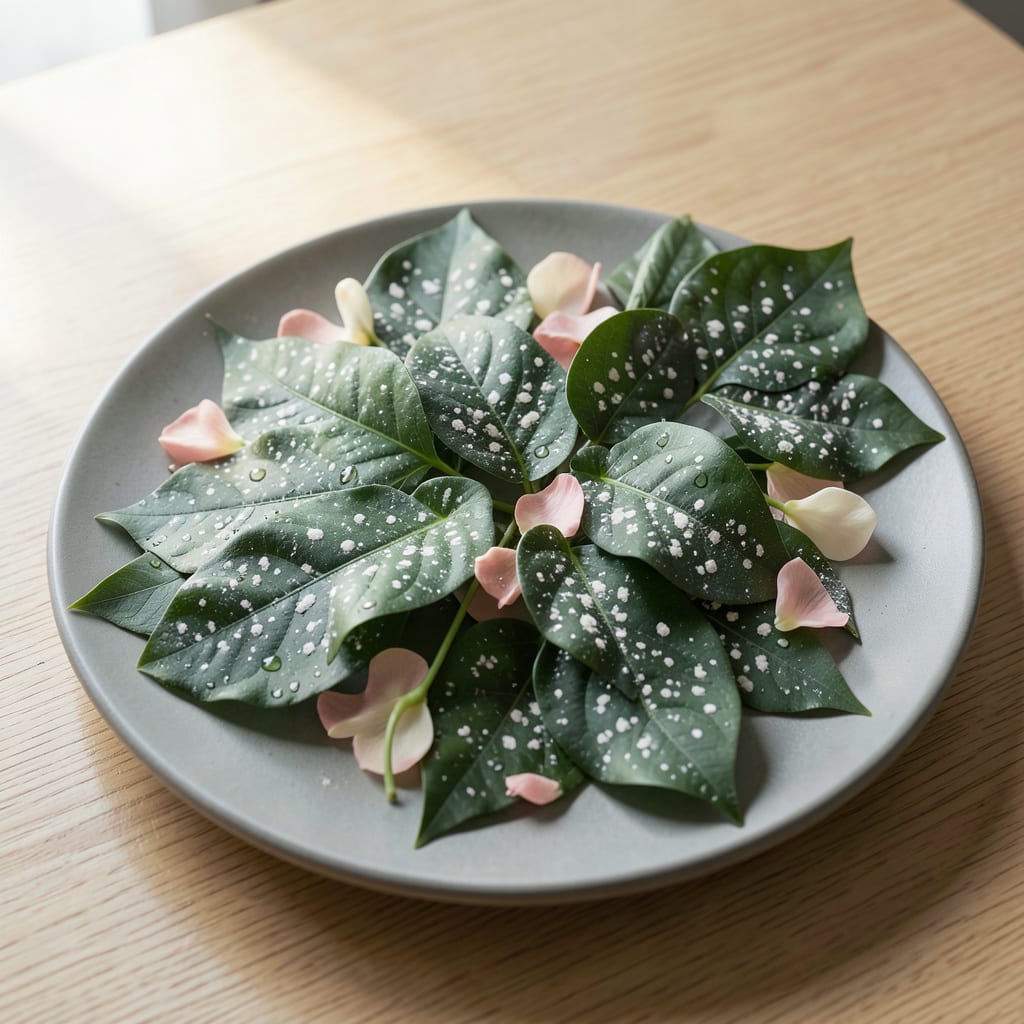
White spots on the undersides of leaves always mean trouble. I’ve learned the hard way that catching these early prevents them from spreading to the entire plant.
These spots often show up as powdery mildew, spider mite webbing, or downy mildew. Each has distinct patterns—white patches, fine webbing, or fuzzy growth—that help identify the culprit.
Organic solutions work best when applied at the first sign. Neem oil, insecticidal soap, or simply improving air circulation can stop the problem before it takes over.
Left untreated, these issues weaken plants and reduce yields. A little attention now saves a lot of heartache later.
White spots on the undersides of leaves are a common sign of plant distress, often caused by environmental factors, pests, or diseases. Here’s a breakdown of the most likely culprits:
One of the most frequent causes is powdery mildew, a fungal disease that thrives in humid, poorly ventilated environments. The fungus Erysiphe or Oidium species produce white, powdery spots as they colonize the leaf surface. This occurs when spores land on leaves and germinate, often spread by wind or water splash. High humidity (70-90%) and moderate temperatures (60-80°F) create ideal conditions for outbreaks.
Tiny pests like mealybugs and spider mites often congregate on the undersides of leaves, leaving behind white, cottony residues or stippling. Mealybugs excrete a waxy coating that appears as white spots, while spider mites cause discoloration as they pierce plant cells to feed. These pests thrive in dry, warm conditions and can rapidly multiply if left unchecked.
If you’re using hard water or foliar sprays with high mineral content (e.g., calcium or magnesium), residues can accumulate as white spots. This is common in hydroponic systems or when tap water is used for misting. The minerals dry on the leaf surface, leaving a chalky film that can block stomata and reduce photosynthesis efficiency.
Edema occurs when plant roots absorb water faster than the leaves can transpire, causing cells to burst. This often happens in high-humidity environments with cool temperatures, leading to white or tan blisters on leaf undersides. While not a disease, edema signals environmental stress that weakens the plant over time.
Dealing with white spots underneath leaves often starts with identifying the cause and applying targeted fixes. Here’s how to address the most common culprits:
Mix 1 tablespoon baking soda + 1 teaspoon dish soap + 1 gallon water and spray affected leaves weekly. Prune crowded branches to improve airflow. 💡 Prevention tip: Water at the base to keep leaves dry, and space plants properly.
For spider mites or aphids, blast leaves with water to dislodge them, then apply insecticidal soap or neem oil. Introduce ladybugs or lacewings as natural predators. 💡 Prevention tip: Inspect plants regularly and isolate new plants for 2–3 weeks to avoid contamination.
Switch to drip irrigation or a soaker hose to keep foliage dry. Water early in the day so leaves dry quickly. 💡 Prevention tip: Use mulch to prevent soil splashing onto leaves, which can spread fungi.
Test soil for deficiencies (e.g., magnesium or calcium). Amend with Epsom salt (for magnesium) or crushed eggshells (for calcium). 💡 Prevention tip: Use a balanced organic fertilizer monthly during the growing season.
Move potted plants to a shadier spot or use shade cloth for garden plants. Acclimate indoor plants gradually to outdoor light. 💡 Prevention tip: Avoid sudden exposure to intense sunlight, especially for young or sensitive plants.
For persistent issues, remove heavily affected leaves to prevent spread, and disinfect tools between uses with rubbing alcohol. Consistency is key—stick with your chosen treatment for at least 2–3 weeks to see results!
No, they can also result from mineral deposits or osmotic stress. Check for patterns: powdery suggests fungus, while cottony indicates pests. Environmental factors often mimic disease symptoms.
Powdery mildew leaves a white powder that wipes off easily. Spider mites create fine webbing and tiny dots. Use a magnifying glass to spot the differences.
Neem oil treats fungal issues and pests like mealybugs. For mineral deposits, switch to filtered water. Always test on a small area first to avoid leaf burn.
Improve airflow, avoid overhead watering, and inspect plants weekly. Quarantine new plants for 2-3 weeks to prevent contamination.
