
Beautiful Plants For Your Interior
Beautiful Plants For Your Interior
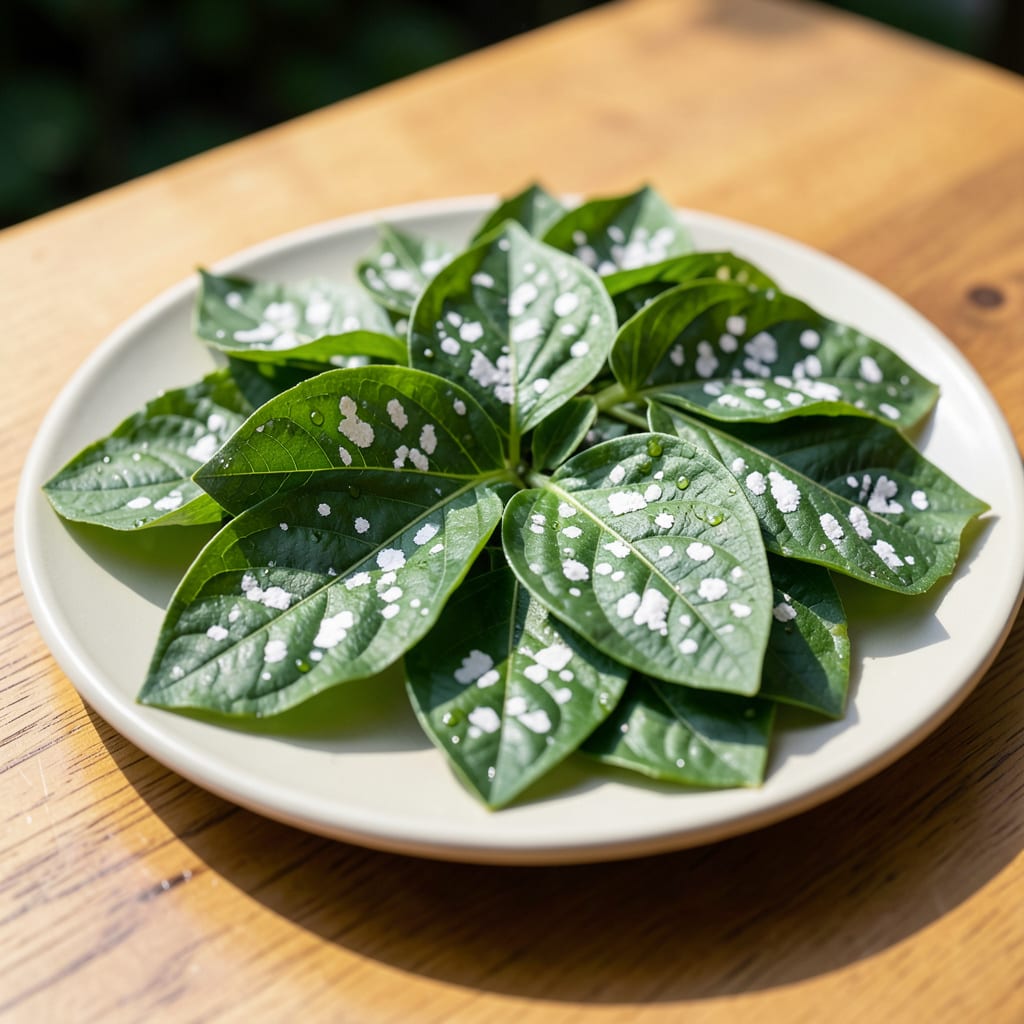
White spots on tulsi leaves always catch me off guard. I first noticed them last summer, tiny blemishes that spread fast if ignored.
Turns out, these spots usually signal powdery mildew, spider mites, or even sunburn. The good news? Organic fixes work fast and prevent future outbreaks without harsh chemicals.
With the right approach, your tulsi will bounce back with vibrant green leaves. Neem oil, proper airflow, and consistent watering make all the difference.
Works for potted plants indoors or garden beds outside. Here’s how to diagnose and treat it properly.
Understanding why white spots appear on tulsi (holy basil) leaves is the first step to fixing the problem. Below are the most common causes, explained simply but backed by science.
Fungi like Powdery Mildew (Erysiphe spp.) or Downy Mildew (Peronospora spp.) thrive in humid, poorly ventilated conditions. These pathogens form white, powdery or downy spots on the leaf surface as they feed on plant tissues. Action: Improve airflow and avoid overhead watering to reduce moisture.
Sap-sucking insects such as mealybugs, whiteflies, or spider mites leave behind white, cottony residues or stippling. Their feeding disrupts chlorophyll, creating pale or white patches. Action: Inspect leaf undersides and use neem oil or insecticidal soap for control.
Excessive sunlight, heat, or nutrient deficiencies (e.g., magnesium or zinc) can cause chlorosis, where leaves lose green pigment. This often appears as interveinal white or yellow spots. Action: Provide partial shade and test soil for deficiencies.
Hard water or foliar sprays with high calcium/magnesium content can leave white mineral deposits on leaves. These are superficial but may block stomata. Action: Use filtered water and wipe leaves gently with a damp cloth.
Dealing with white spots on your tulsi leaves? Here’s how to tackle each cause with simple, organic fixes—and keep your plant thriving. 🌿
Mix 1 teaspoon of baking soda + 1 liter of water + a few drops of neem oil. Spray on affected leaves every 3–4 days until spots fade. Prevention tip: Avoid overhead watering—keep leaves dry to discourage fungus. 💡
Wipe leaves with a cotton swab dipped in soapy water to remove mealybugs or spider mites. For severe cases, spray neem oil solution (2 tbsp neem oil + 1 liter water + 1 tsp dish soap) weekly. Prevention tip: Inspect leaves regularly, especially undersides, for early signs of pests. ✨
Move your tulsi to a spot with bright, indirect light or use a sheer curtain to filter harsh sunlight. Trim heavily damaged leaves to redirect energy. Prevention tip: Gradually acclimate plants to sunlight to avoid shock. 🌡️
Let the soil dry out between waterings. Repot in well-draining soil mixed with perlite or sand if the current mix retains too much moisture. Prevention tip: Use pots with drainage holes and empty saucers after watering. 🎯
Apply a balanced organic fertilizer (like compost tea or fish emulsion) every 4–6 weeks. Yellowing leaves with white spots often signal a lack of magnesium—add Epsom salt (1 tsp per liter of water) as a foliar spray. Prevention tip: Test soil every few months to monitor nutrient levels. ✨
Initially, no, but they can spread and weaken the plant if untreated. Fungal spots may grow, while pest damage can stunt growth. Act quickly for best results.
Use a neem oil spray every 7-10 days for prevention or every 3-4 days for active infestations. Always apply in the evening to avoid leaf burn.
Yes, if the spots are minor and you’ve treated the plant. Wash leaves thoroughly with water. Avoid using heavily damaged or chemically treated leaves.
Heat and humidity create ideal conditions for fungi and pests. Ensure good airflow and avoid overhead watering during hot months to prevent outbreaks.
