
Beautiful Plants For Your Interior
Beautiful Plants For Your Interior
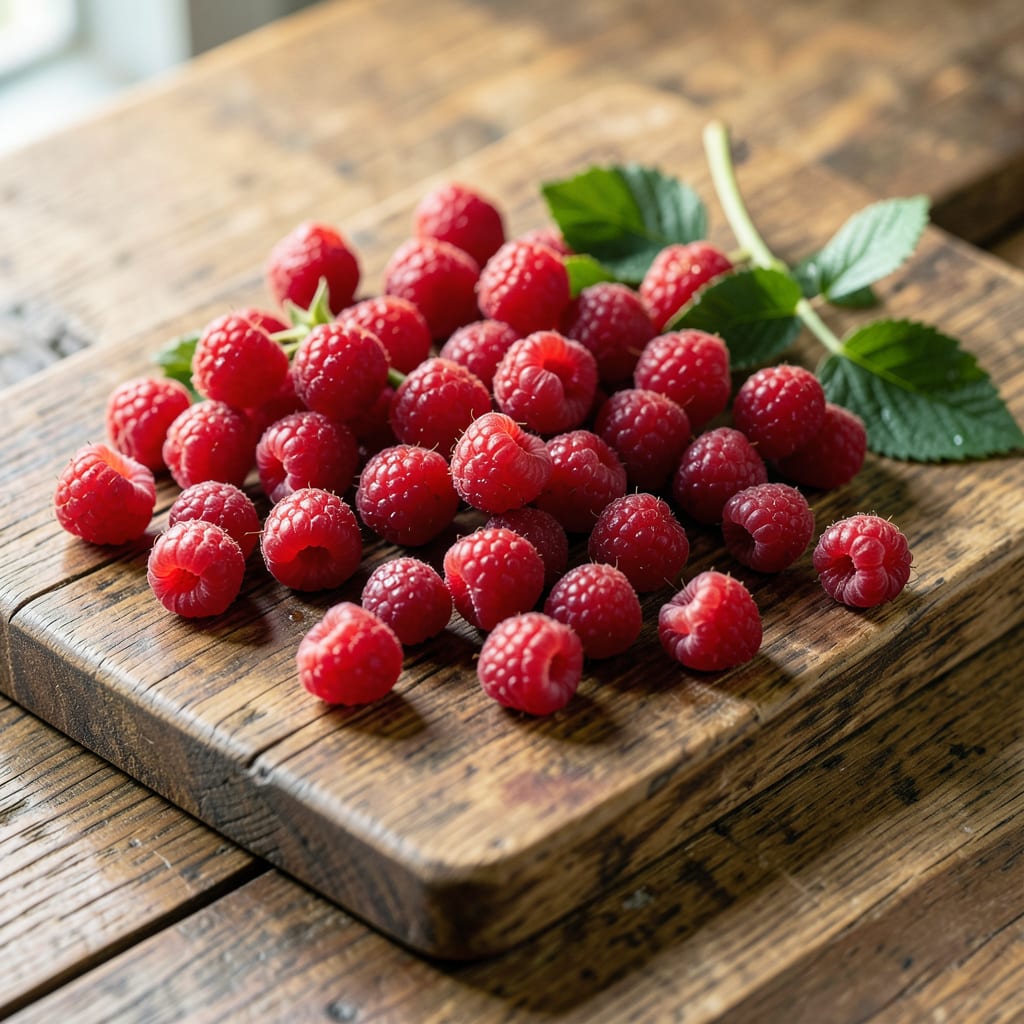
White spots on your raspberries aren’t just unsightly—they’re a warning sign. I’ve seen entire harvests ruined by ignoring this early symptom, but catching it fast means saving your crop.
Most often, it’s a fungal issue spreading from wet foliage to fruit. The spots start small, then merge into a powdery coating that stunts growth. Left unchecked, you’ll lose 30-50% of your berries to rot before they ripen.
Organic fixes work best when applied early. Simple sprays, better airflow, and removing infected canes can stop the spread in 7-10 days. The key is consistency—one treatment won’t cut it.
This hits hardest in humid climates or crowded plantings. The good news? Prevention is straightforward once you know what to look for.
White spots on raspberries often stem from environmental stressors or fungal infections. Below are the most common causes, explained clearly so you can identify and address the issue effectively.
Powdery mildew (Podosphaera aphanis) is a primary culprit. This fungus thrives in warm, dry days followed by cool, humid nights, creating a white, powdery coating on fruit, leaves, and stems. Another offender, anthracnose (Elsinoë veneta), causes sunken, white-to-gray lesions on canes and fruit, often in wet, poorly ventilated conditions.
Excessive moisture from overhead watering or poor drainage can encourage fungal growth, while sunscald—caused by intense sunlight on exposed fruit—may produce dry, white patches. Inconsistent watering or extreme temperature swings can also stress plants, weakening their natural defenses against pathogens.
Insects like raspberry cane borers or spotted wing drosophila can create entry points for fungi and bacteria. Their feeding damage may appear as small, discolored spots that later turn white as secondary infections set in. Regularly inspect canes and fruit for signs of infestation.
A lack of essential nutrients, particularly calcium or magnesium, can lead to physiological disorders that manifest as white or pale patches on fruit. Soil testing can confirm deficiencies, allowing you to amend the soil with appropriate organic fertilizers.
Dealing with white spots on your raspberry fruit can feel frustrating, but there are practical ways to tackle each underlying cause. Below are targeted fixes paired with prevention tips to keep your raspberries healthy and blemish-free.
If the spots are caused by powdery mildew or botrytis, spray affected plants with a baking soda solution (1 tbsp baking soda + 1 tsp dish soap + 1 gallon of water) or neem oil (mix as directed). Apply early in the morning for best results. Prevention: Improve air circulation by pruning dense foliage and spacing plants properly. Avoid overhead watering to reduce moisture on leaves.
For pests like raspberry cane borers or spider mites, inspect canes regularly and prune and destroy infested parts immediately. Introduce beneficial insects like ladybugs or lacewings. Prevention: Use floating row covers early in the season to block pests. Keep the garden free of debris where pests can overwinter.
If white spots stem from calcium or boron deficiency, amend the soil with crushed eggshells or a balanced organic fertilizer. A foliar spray of seaweed extract can also help. Prevention: Test soil annually and maintain a pH of 5.5–6.5. Mulch with compost to improve soil health.
Sun scald or water stress can cause spotting. Ensure plants receive 1–2 inches of water weekly and shade cloth during extreme heat. Prevention: Mulch around the base to retain moisture and regulate soil temperature. Plant in a location with partial shade if your climate is particularly hot.
Pro tip: 💡 Always sanitize pruning tools with rubbing alcohol between cuts to avoid spreading disease.
Generally not, but it’s best to avoid them. Fungal spots may affect taste and texture, while pest-related spots could carry bacteria. Wash berries thoroughly and remove any affected areas before consuming.
Under ideal conditions for fungi (warm, humid), spots can spread across a plant in 3-5 days. Without intervention, they may infect neighboring plants within 1-2 weeks. Act fast to contain the issue.
Yes! Planting garlic, chives, or marigolds near raspberries can deter pests and improve air circulation. These companions also have natural antifungal properties.
Excess moisture creates perfect conditions for fungal growth. Rain splashes spores onto fruit and leaves, while high humidity slows drying. Improve drainage and prune for better airflow.
