
Beautiful Plants For Your Interior
Beautiful Plants For Your Interior
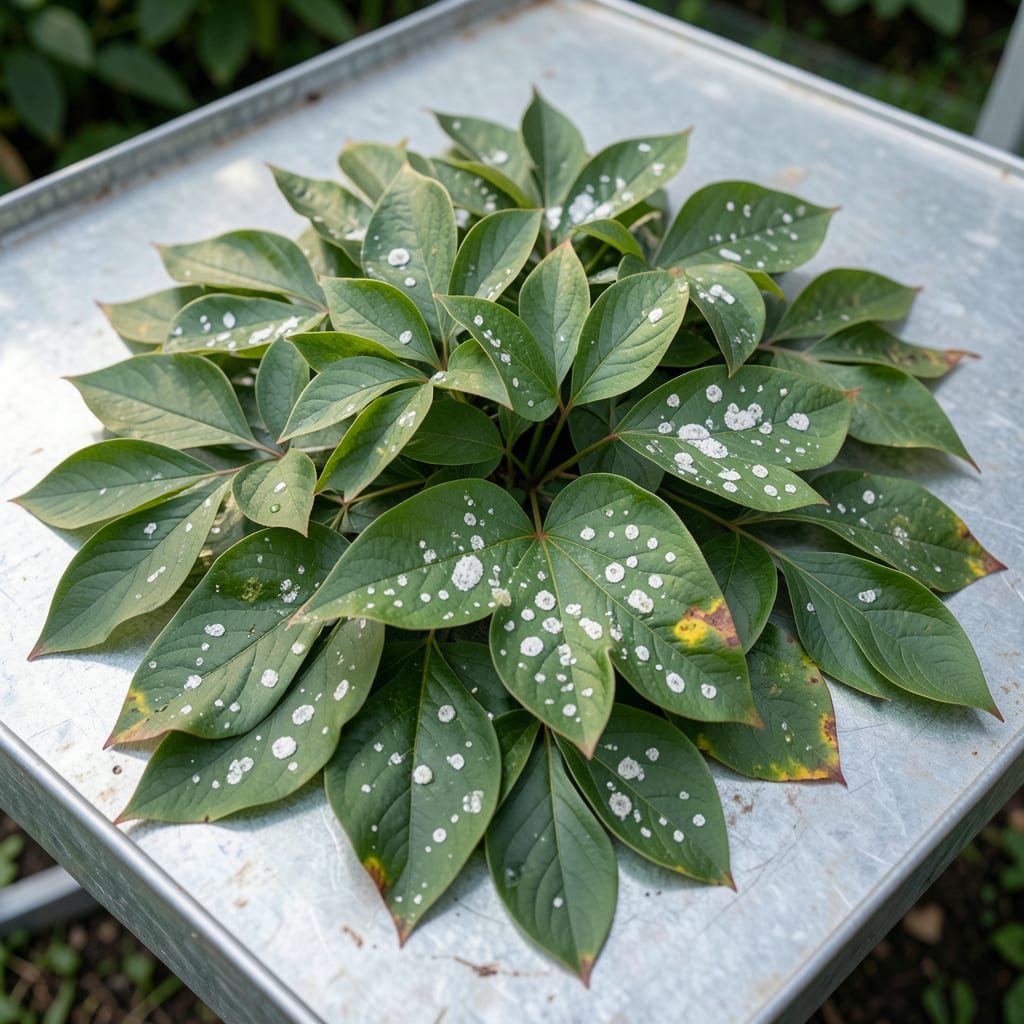
Those white spots on your peony leaves aren’t just unsightly—they’re a red flag. I’ve seen powdery mildew turn healthy plants into sad, spotted messes overnight.
Here’s the thing—early action saves your blooms. The culprit is usually fungal, thriving in damp, crowded conditions. Left untreated, it spreads fast and weakens the entire plant.
Natural remedies work surprisingly well if you start now. A simple baking soda spray or improved airflow can stop it in its tracks before it ruins your season.
No fancy tools needed—just a sharp eye and a few household items. Let’s tackle this before it gets worse.
White spots on peony leaves can stem from a few key issues, often tied to environmental conditions or pathogens. Below are the most common causes, explained with actionable insights.
The primary culprit is Powdery Mildew (Erysiphe spp.), a fungal disease thriving in warm, dry days followed by cool, humid nights. It appears as white, powdery patches on leaves, stems, and buds. Another offender, Leaf Spot (Cladosporium or Septoria), causes circular white or gray spots with dark edges. These fungi spread via spores in wet, poorly ventilated environments.
Water sitting on leaves for extended periods creates a breeding ground for fungi. Overhead irrigation, especially in the evening, prolongs leaf wetness, accelerating spore germination. Peonies prefer water at their base to keep foliage dry and reduce disease risk.
Dense plantings or crowded garden beds restrict airflow, trapping moisture around leaves. This stagnant, humid microclimate invites fungal spores to settle and multiply. Pruning nearby plants or spacing peonies 3–4 feet apart can improve ventilation.
Fluctuating temperatures, excessive shade, or nutrient deficiencies (e.g., low calcium) can weaken peonies, making them more susceptible to infections. Ensure plants receive full sun (6+ hours daily) and balanced fertilization to bolster their natural defenses.
White spots on peony leaves often stem from fungal infections or environmental stressors, but the good news is they’re usually treatable. Here’s how to tackle each cause and restore your plant’s health.
Fix: Start by removing and destroying infected leaves to prevent the fungus from spreading. Apply a copper-based fungicide or a homemade remedy like neem oil mixed with water (1 tbsp per gallon) and spray every 7–10 days until the spots disappear. For severe cases, use a commercial fungicide labeled for peonies.
Prevention: Improve air circulation by spacing plants properly and watering at the base in the morning. Avoid overhead watering to keep leaves dry. Pro tip: Clean up fallen leaves and debris in autumn to reduce overwintering fungi.
Fix: If the spots are due to heat or water stress, adjust your care routine. Move potted peonies to a shadier spot during extreme heat, and ensure the soil stays consistently moist (but not soggy). Mulch around the base to retain moisture and regulate soil temperature.
Prevention: Plant peonies in well-draining soil and provide afternoon shade in hot climates. Water deeply once a week, rather than frequent shallow watering.
Fix: Yellowing leaves with white spots may signal a lack of essential nutrients like magnesium or iron. Apply a balanced, slow-release fertilizer or a foliar spray of Epsom salt (1 tbsp per gallon of water) for a quick magnesium boost.
Prevention: Test your soil annually and amend it with compost or organic matter. Feed peonies with a fertilizer low in nitrogen but high in phosphorus and potassium to promote strong, disease-resistant growth.
Yes, if left untreated. Fungal spots can spread and weaken the plant, reducing blooming and overall health. Early intervention is key to preventing serious damage.
A mix of 1 tablespoon baking soda + 1 quart water + a drop of dish soap makes an effective spray. Apply every 7-10 days for best results.
They might if spores overwinter in debris. Always clean up fallen leaves in autumn and apply a fresh layer of mulch to prevent recurrence.
No. Fungal spores can survive composting and reinfect your garden. Seal infected leaves in a bag and dispose of them with household trash instead.
