
Beautiful Plants For Your Interior
Beautiful Plants For Your Interior
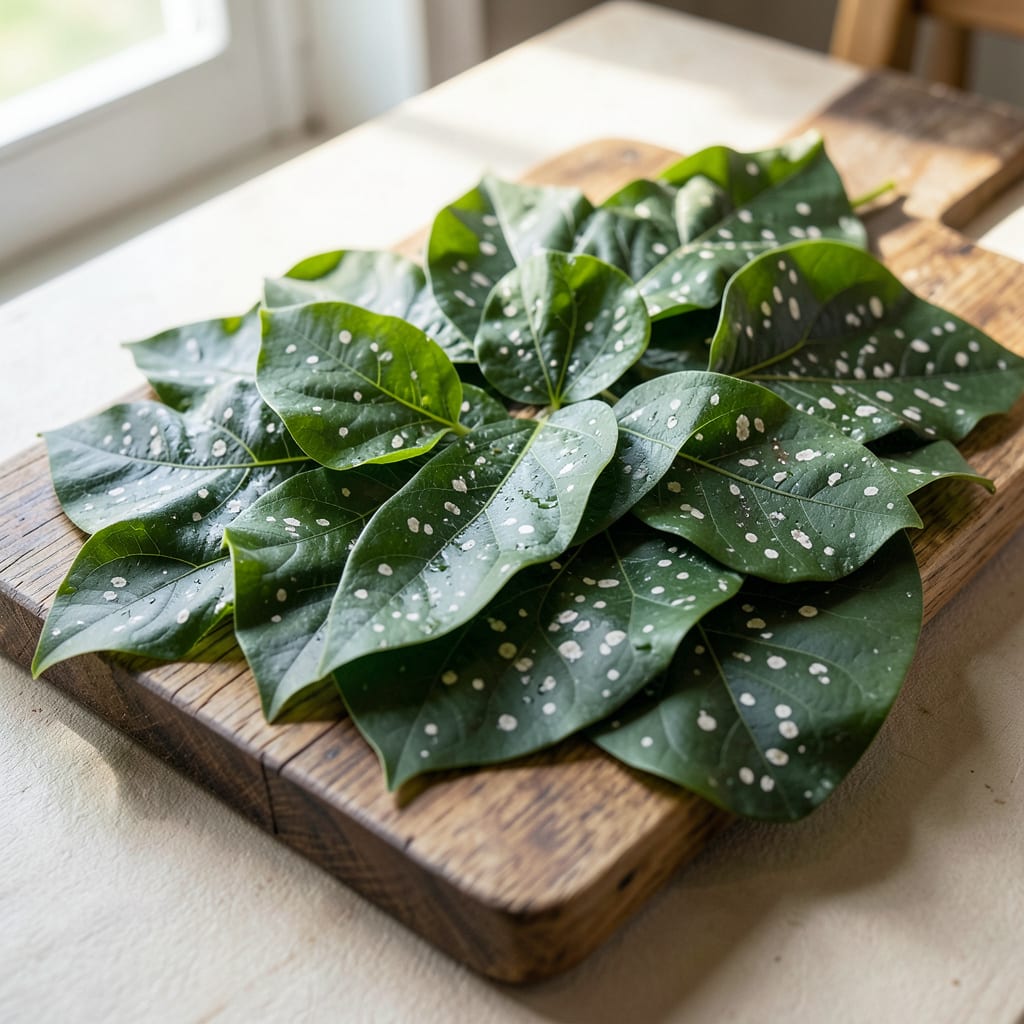
Those white spots on your moringa leaves aren’t just unsightly—they’re a warning sign. I’ve seen this exact pattern before, and ignoring it means watching your plant’s health spiral downhill fast.
Powdery mildew or tiny pests usually cause this, and both spread quickly in warm, humid conditions. The good news? Catching it early makes treatment simple and effective with what you probably already have at home.
You’ll want to act within 24-48 hours of spotting the first signs. A little investigation now prevents a full-blown infestation later that could stunt growth or kill younger plants.
Works for container moringa, backyard trees, or indoor specimens. Here’s how to diagnose and fix it for good.
White spots on moringa leaves often stem from environmental stressors, fungal infections, or pest activity. Here are the most common causes, explained with actionable insights.
Powdery mildew (Oidium spp.) thrives in high humidity (60–80%) and moderate temperatures (60–80°F). The fungus forms a white, powdery coating on leaf surfaces, blocking sunlight and weakening the plant. It spreads via airborne spores, so improve air circulation and avoid overhead watering to prevent it.
Sap-sucking pests like aphids, whiteflies, and mealybugs leave behind sticky honeydew, which fosters sooty mold—appearing as white or black spots. Check leaf undersides for clusters of tiny insects. Neem oil or insecticidal soap can disrupt their life cycles.
Calcium or magnesium shortages may cause interveinal chlorosis (white or yellow patches between veins). Moringa in sandy or acidic soils (pH < 6.0) is especially vulnerable. Test soil pH and amend with dolomitic lime or Epsom salt (for magnesium).
Intense sunlight or sudden temperature spikes can scorch leaves, creating bleached or white spots. Moringa prefers partial shade in extreme heat. Use shade cloth (30–40%) during peak summer to protect foliage.
Addressing white spots on your moringa leaves depends on the root cause. Below are targeted solutions for common issues, along with prevention tips to keep your plants healthy.
Fix: Spray affected leaves with a baking soda solution (1 tsp baking soda + 1 quart water + a drop of dish soap). For severe cases, use neem oil (mix 2 tbsp with 1 gallon of water) and apply weekly until the issue clears. Remove heavily infected leaves to prevent spread.
Prevention: 💡 Improve air circulation by pruning dense foliage. Water at the base of the plant (not the leaves) and avoid overhead watering in humid conditions.
Fix: For aphids, mealybugs, or spider mites, blast them off with a strong stream of water. Follow up with insecticidal soap or neem oil spray (same mix as above). Repeat every 3–5 days until pests are gone.
Prevention: ✨ Introduce beneficial insects like ladybugs or lacewings. Regularly inspect the undersides of leaves for early signs of pests.
Fix: Test your soil for deficiencies. If calcium or magnesium is lacking, amend with crushed eggshells or Epsom salt (1 tbsp per gallon of water, applied as a foliar spray). For potassium, use wood ash or a balanced fertilizer.
Prevention: 🎯 Maintain rich, well-draining soil by adding compost or organic matter before planting. Feed moringa with a balanced fertilizer every 4–6 weeks during the growing season.
Fix: Move potted moringa to a shadier spot or provide shade cloth (30–40% coverage) for in-ground plants. Trim affected leaves to reduce stress on the plant.
Prevention: 🌡️ Gradually acclimate young moringa plants to full sun. Ensure consistent watering, especially during heatwaves, but avoid waterlogging the soil.
Powdery mildew looks like white powder spread evenly across leaves. Pests leave sticky residue or visible bugs underneath leaves.
Yes! A baking soda solution (1 tsp per quart of water) works for mildew. Neem oil handles both pests and fungi effectively.
Fungal spores and pests travel easily. Isolate affected plants and treat immediately to prevent spread.
With proper treatment, you’ll see improvement in 7-10 days. Full recovery takes 2-3 weeks depending on severity.
