
Beautiful Plants For Your Interior
Beautiful Plants For Your Interior
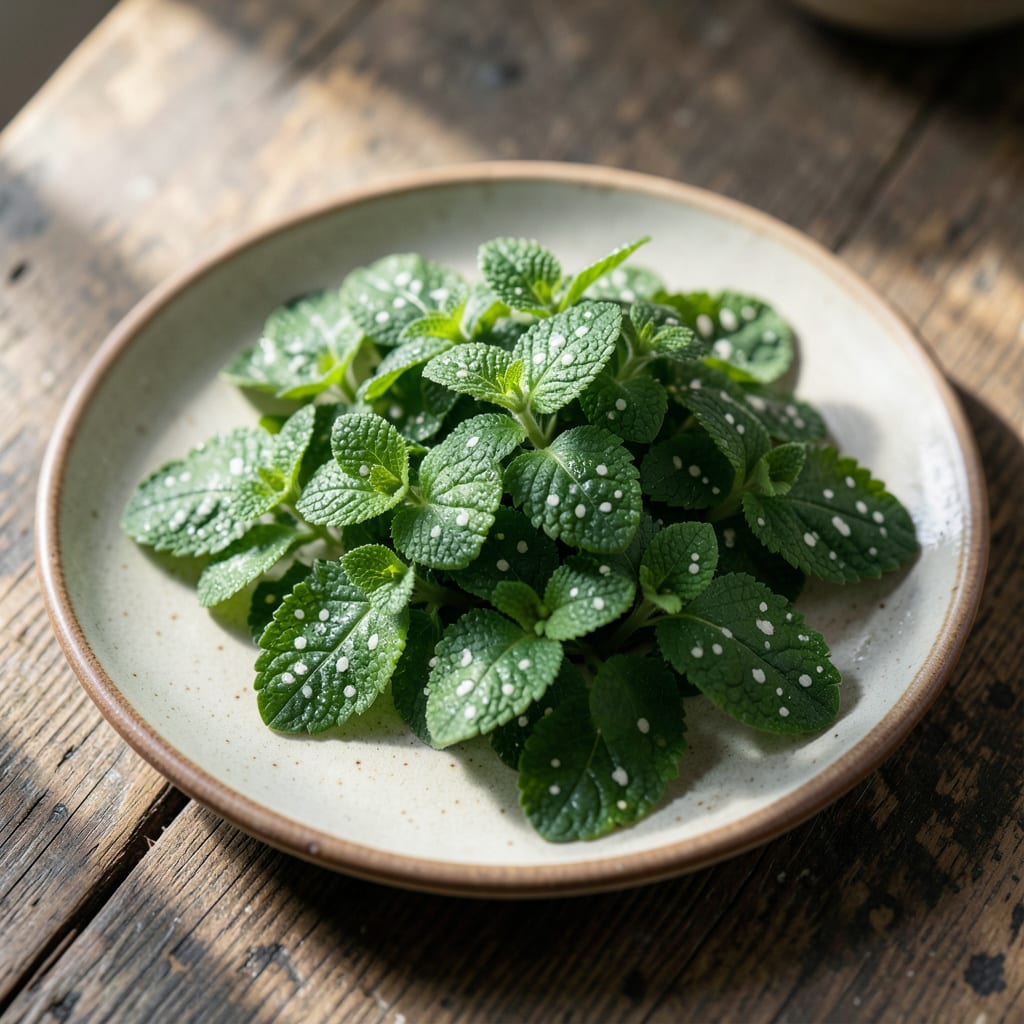
White spots on your catnip leaves aren’t just unsightly—they’re a red flag. I’ve seen powdery mildew, spider mites, and even sunburn cause this exact problem in my own garden beds.
The good news? Most causes are treatable if you catch them early. I start by checking both sides of the leaves—pests often hide underneath while fungal issues spread across the surface.
Natural remedies like neem oil or baking soda spray work wonders for fungal problems, while a strong blast of water can dislodge spider mites. Prevention comes down to good airflow and consistent watering.
Don’t wait until the whole plant’s affected. A little attention now saves your catnip for seasons to come.
The appearance of white spots on catnip leaves can stem from several underlying issues, often tied to environmental stress, pests, or pathogens. Below are the most common causes, explained with actionable insights.
Powdery mildew (Erysiphe spp.) thrives in humid, poorly ventilated conditions. It appears as a white, powdery coating on leaves, often starting on the upper surface. Spores spread via wind or water, infecting new growth. Reduce humidity and improve airflow to curb its spread.
Spider mites and mealybugs suck sap from leaves, leaving behind stippled white or yellow spots. Check leaf undersides for webbing (mites) or cottony clusters (mealybugs). Neem oil or insecticidal soap can disrupt their life cycles.
Excessive sunlight or sudden temperature spikes can cause localized bleaching on leaves. Catnip prefers partial shade; acclimate plants gradually to full sun to prevent scorching.
If tap water is high in calcium or magnesium, white residues may form as water evaporates. Use filtered or distilled water for watering to avoid buildup.
Less common but possible, bacteria like Pseudomonas create water-soaked spots that turn white or tan. Remove infected leaves and avoid overhead watering to limit spread.
Identifying the exact cause helps tailor the solution—inspect leaves closely for additional clues like texture or pest presence.
Dealing with white spots on your catnip leaves can be frustrating, but with the right approach, you can restore your plant’s health. Below are targeted solutions based on the most common causes, along with prevention tips to keep your catnip thriving. 🌿
If the spots are fuzzy or spread quickly, a fungal issue like powdery mildew may be to blame. Fix: Remove infected leaves immediately and spray the plant with a neem oil solution (1 tbsp neem oil + 1 tsp dish soap + 1 quart water). Apply weekly until the spots disappear.
Prevention: Improve air circulation around the plant and avoid overhead watering. Water in the morning so leaves dry by evening.
Tiny white spots could be spider mites or aphids. Fix: Wipe leaves with a damp cloth or spray with insecticidal soap. For stubborn pests, introduce beneficial insects like ladybugs.
Prevention: Inspect plants regularly, especially the undersides of leaves. Keep the area clean and free of debris where pests hide.
Yellowing leaves with white spots often signal root rot from excess moisture. Fix: Let the soil dry out completely between waterings. Repot the plant in fresh, well-draining soil if the roots are mushy.
Prevention: Use pots with drainage holes and a gritty soil mix. Water only when the top inch of soil feels dry.
Direct, harsh sunlight can scorch leaves, leaving white or bleached patches. Fix: Move the plant to a spot with bright, indirect light. Trim damaged leaves to redirect energy to healthy growth.
Prevention: Acclimate catnip to sunlight gradually, especially if it’s been indoors. Use shade cloth for outdoor plants during peak sun hours.
💡 Pro Tip: Always sterilize pruning tools with rubbing alcohol to avoid spreading pathogens between plants!
Look for a white, powdery coating on the upper leaf surfaces. It often starts as small spots that spread quickly. Rub a leaf—if it feels dusty, it’s likely mildew.
No, neem oil is safe for catnip when used correctly. Mix 1 tablespoon with 1 quart of water and a drop of dish soap. Test on a small area first.
Mineral deposits from hard water won’t permanently harm your plant. Switch to filtered water and gently wipe leaves to remove existing buildup.
Yes, prune heavily infected leaves immediately to prevent spread. Always use sterilized tools and dispose of leaves away from the plant.
