
Beautiful Plants For Your Interior
Beautiful Plants For Your Interior
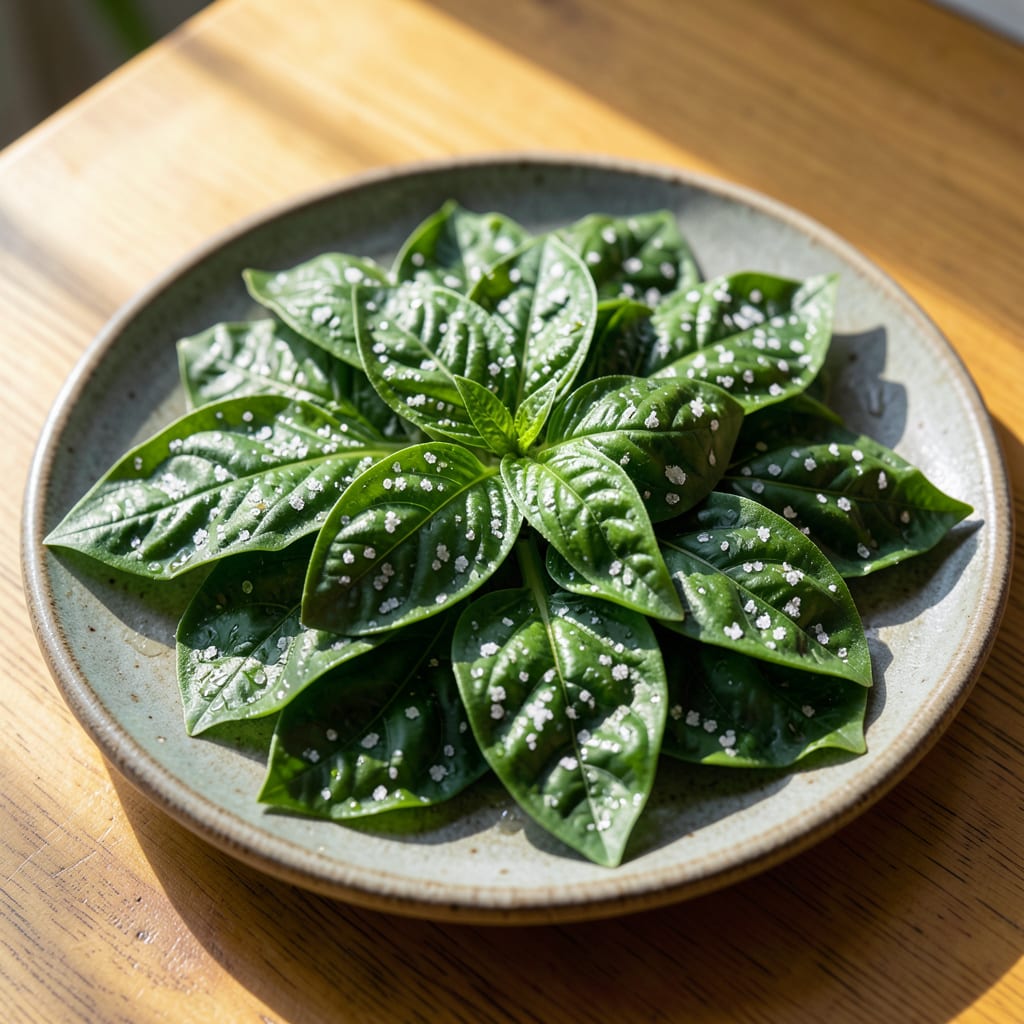
White spots on your basil leaves aren’t just unsightly—they’re a cry for help. 🌱 I’ve seen this issue wipe out entire plants in days if left unchecked, but the good news is it’s usually fixable with quick action.
Most cases come down to one of three culprits: powdery mildew, spider mites, or a simple nutrient imbalance. The solution starts with isolating the plant and inspecting both sides of the leaves—what you find there tells you exactly how to respond.
With the right treatment, you’ll see new growth emerging spot-free within 7-10 days. The key is acting before the problem spreads to healthy leaves or neighboring plants.
Prevention is straightforward once you know the triggers. A little airflow, consistent watering, and the occasional neem oil spray keep this from becoming a recurring nightmare.
White spots on basil leaves can be alarming, but they usually stem from a few common, manageable issues. Here’s a breakdown of the most likely causes, explained simply with actionable insights.
This fungal disease thrives in humid, poorly ventilated environments. It appears as a white, powdery coating on the leaves, often starting on the upper surfaces. The fungus Podosphaera xanthii spreads via spores, which germinate when moisture levels are high (above 70%) and temperatures range between 60–80°F (15–27°C). Overcrowded plants or evening watering (which prolongs leaf wetness) can exacerbate the problem.
Basil requires balanced nutrition to stay healthy. A calcium deficiency often causes white or yellow spots between leaf veins, while a magnesium deficiency may lead to white or pale interveinal chlorosis (discoloration between veins). These deficiencies arise from poor soil quality or improper pH levels (basil prefers slightly acidic to neutral soil, pH 6.0–7.0). Overwatering can also leach essential minerals from the soil.
Tiny pests like spider mites and mealybugs can cause white stippling or cottony spots on basil leaves. Spider mites pierce leaf cells to feed, leaving behind tiny white or yellow dots, while mealybugs excrete a white, waxy residue that resembles cotton. These pests thrive in hot, dry conditions and can spread rapidly if left unchecked.
If basil is exposed to intense, direct sunlight (especially in hot climates), the leaves may develop white or bleached spots due to sunburn. This happens when the plant’s natural defenses are overwhelmed by UV radiation, leading to cell damage and discoloration. Similarly, heat stress (temperatures above 90°F/32°C) can cause white patches as the plant struggles to retain moisture.
Dealing with white spots on your basil doesn’t have to be a headache. Below are targeted solutions for the most common causes, along with prevention tips to keep your plants thriving.
If the issue is a lack of calcium or magnesium, amend the soil with crushed eggshells or Epsom salt. For a quick fix, dissolve 1 tablespoon of Epsom salt in a gallon of water and spray it on the leaves. To prevent future deficiencies, mix compost or a balanced fertilizer into the soil before planting.
Prevention tip: 💡 Test your soil annually and adjust nutrients as needed.
Remove affected leaves immediately to stop the spread. Treat the plant with a copper-based fungicide or a homemade mix of 1 teaspoon baking soda + 1 quart water + a few drops of dish soap. Spray every 5–7 days until the spots disappear.
Prevention tip: 🌡️ Avoid overhead watering—keep leaves dry to reduce fungal growth.
For spider mites or aphids, wipe leaves with a soapy water solution (1 tsp mild soap + 1 quart water) or use neem oil spray. Repeat every 3–4 days until pests are gone. Introduce beneficial insects like ladybugs for long-term control.
Prevention tip: ✨ Inspect new plants before bringing them near your basil to avoid contamination.
Let the soil dry slightly between waterings. Ensure pots have drainage holes, and use well-draining soil. If root rot is suspected, trim blackened roots and repot in fresh soil.
Prevention tip: 🎯 Water in the morning so excess moisture evaporates during the day.
Not always! They can also indicate pests, nutrient deficiencies, or even sunburn. Check both sides of leaves to identify the exact cause.
With proper care, new growth should appear spot-free within 7-10 days. Remove affected leaves immediately to speed up recovery.
It’s safe if the issue is mineral deficiency or sunburn. Avoid eating leaves with fungal growth or pest residue. Always wash thoroughly.
Improve airflow, avoid evening watering, and use neem oil spray weekly. Test soil pH and adjust nutrients as needed.
