
Beautiful Plants For Your Interior
Beautiful Plants For Your Interior
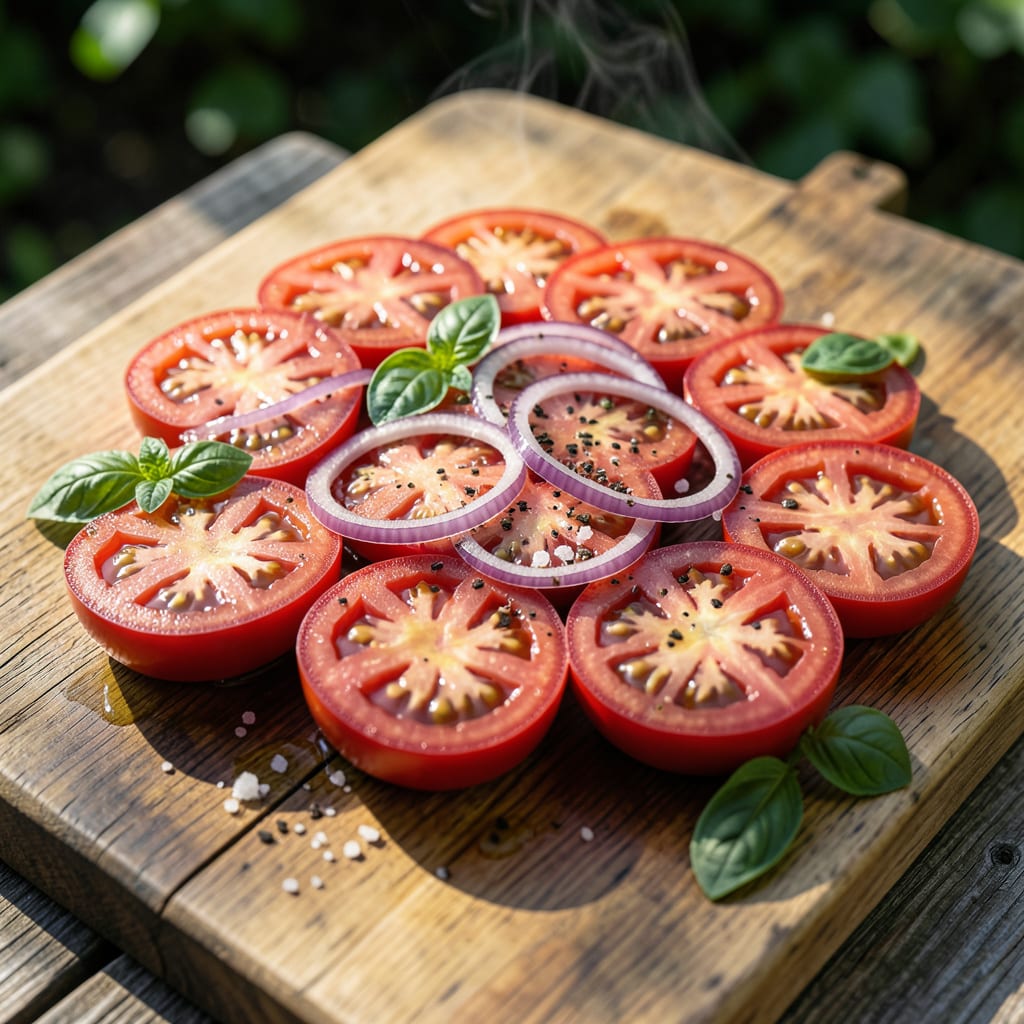
White spots inside your tomatoes can be alarming, but they’re usually fixable. I’ve dealt with this issue more times than I’d like to admit, and the good news is it’s often a sign of something simple.
Usually, it’s down to inconsistent watering, a calcium deficiency, or even a pest problem. The spots might look like dry patches or soft, discolored areas, and they can appear at any stage of growth.
With a few tweaks to your care routine—like keeping soil moisture steady or adding a natural calcium boost—you can prevent this from happening next season. Early detection is key.
Works for container gardens, raised beds, or in-ground plants. Let’s get to the root of the problem.
White spots inside tomatoes often stem from environmental, nutritional, or pathological factors. Understanding the root cause helps you address the issue effectively and prevent future occurrences.
Extreme temperature fluctuations, especially heat stress above 85°F (29°C) or cold shock below 50°F (10°C), disrupt cellular development in tomato fruits. This leads to uneven ripening and the formation of white, corky spots. The condition, known as internal white tissue (IWT), occurs when the plant’s metabolic processes are impaired, causing tissue necrosis.
A lack of calcium in the soil or poor uptake due to inconsistent watering triggers blossom end rot—but it can also manifest as internal white spots. Calcium is vital for cell wall stability, and its deficiency causes tissue breakdown. This is common in sandy or acidic soils or when heavy rainfall leaches nutrients away.
Fungi like Fusarium or Alternaria can invade tomato fruits, creating white, spongy patches inside. These pathogens thrive in wet, humid conditions and often enter through wounds or cracks. Infected tomatoes may show external symptoms like dark spots or mold, but internal damage can occur without visible signs.
Some tomato varieties are genetically predisposed to developing white spots due to incomplete pollination or seed abnormalities. Heirloom or hybrid varieties with thick fruit walls may also exhibit this issue if grown under suboptimal conditions. Selecting disease-resistant seeds can mitigate this risk.
Dealing with white spots inside tomatoes often comes down to addressing the root cause. Here’s how to tackle each issue with simple, actionable fixes:
Mix 1 tbsp neem oil + 1 tsp dish soap + 1 quart water and spray leaves thoroughly, focusing on undersides. Repeat every 5–7 days until pests vanish. Prevention tip: 💡 Introduce beneficial insects like ladybugs or use yellow sticky traps early in the season.
For a quick fix, dissolve 1 tbsp Epsom salt in a gallon of water and spray foliage weekly. For long-term health, work crushed eggshells or gypsum into the soil at planting. Prevention tip: 🎯 Maintain consistent soil moisture—fluctuations trigger calcium uptake issues.
Water deeply 2–3 times per week (not daily) to encourage deep roots. Add a 2–3 inch layer of mulch to retain moisture. Remove affected tomatoes immediately to redirect the plant’s energy. Prevention tip: ✨ Test soil pH (aim for 6.2–6.8) and amend with lime if too acidic.
Apply a copper fungicide (follow label instructions) or a DIY mix: 1 tsp baking soda + 1 quart water + a drop of soap. Spray leaves evenly at the first sign of spots. Prevention tip: 🌱 Rotate crops yearly and space plants 18–24 inches apart for airflow.
If spots are harmless (e.g., from heat stress), wait a few days—many tomatoes even out as they ripen. Provide afternoon shade with a cloth or taller plants. Prevention tip: 🔥 Avoid overhead watering in peak sun to prevent sunscald.
Pro tip: Always sterilize pruning tools with rubbing alcohol to avoid spreading pathogens between plants!
Usually yes if the issue is internal white tissue from heat stress. Toss any with fungal growth or rot. When in doubt, cut out affected areas and use the rest in cooked dishes.
Keep soil consistently moist, add crushed eggshells for calcium, and use mulch. Also, avoid overhead watering during peak heat to prevent stress.
Dissolve 1 tbsp Epsom salt in a gallon of water and spray leaves weekly. For severe cases, water with a calcium chloride solution at the base.
