
Beautiful Plants For Your Interior
Beautiful Plants For Your Interior
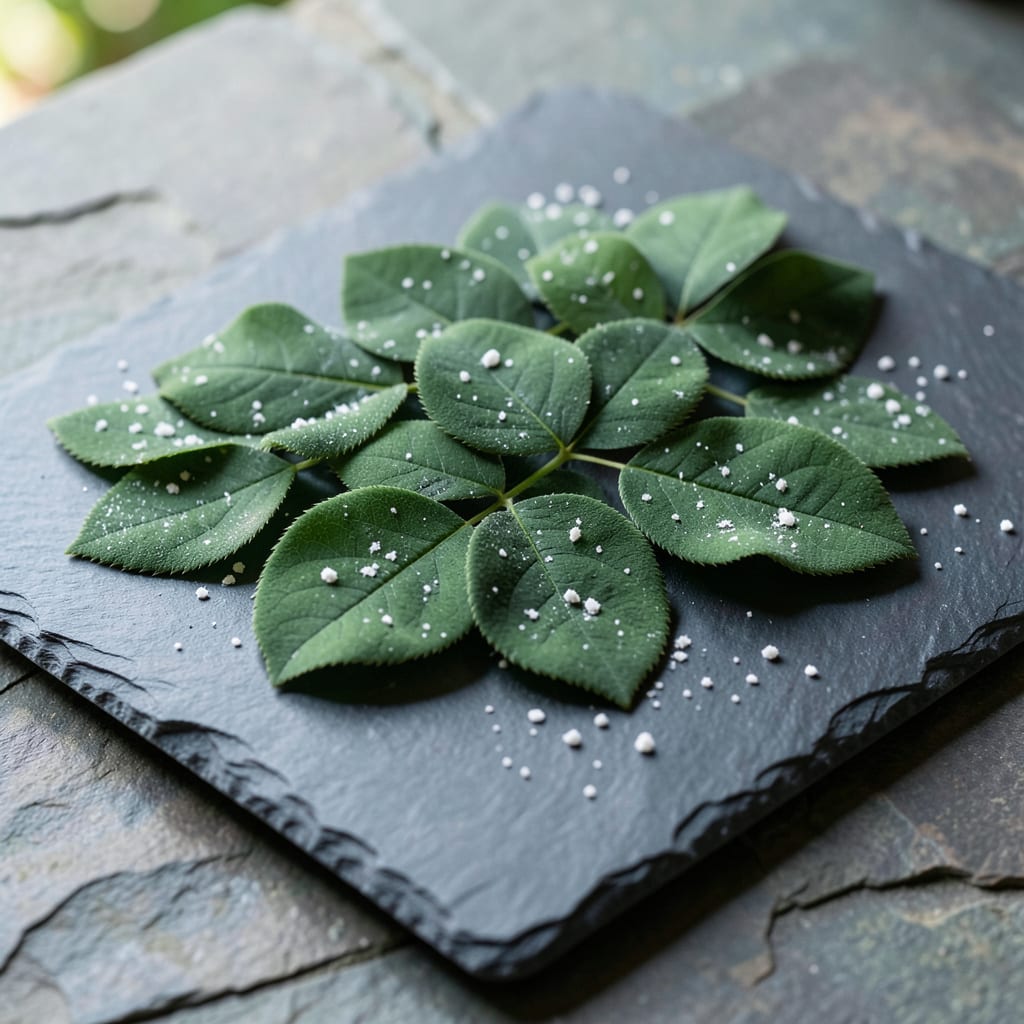
White specks on your rose leaves aren’t just unsightly—they’re a warning sign. I’ve seen these spots turn into full-blown infections that ruin entire bushes if ignored.
The usual culprits are fungal diseases or pests, but environmental stress can cause similar marks. The good news? Most cases are treatable with early action and the right approach.
You’ll learn to spot the difference between powdery mildew, spider mites, and simple water spots. Each requires a different fix, but all are manageable with basic garden supplies.
Your roses can bounce back with vibrant foliage and stronger blooms within weeks. The key is acting before the problem spreads to healthy growth.
White specks on rose leaves are often a sign of underlying issues, ranging from fungal infections to environmental stress. Here’s a breakdown of the most common causes:
Powdery mildew (Podosphaera pannosa) is a fungal disease that thrives in warm, humid conditions. It appears as white, powdery spots on the upper surface of leaves, stems, and buds. The fungus spreads rapidly in crowded plantings with poor air circulation, especially when leaves stay damp for extended periods.
Unlike powdery mildew, downy mildew (Peronospora sparsa) produces white or grayish specks on the underside of leaves. This pathogen favors cool, wet weather and can cause leaves to yellow and drop prematurely. It’s often mistaken for powdery mildew but requires different treatment.
Tiny white specks may also result from pest activity. Spider mites and whiteflies leave behind webbing or eggs that resemble fine white dots. These pests suck sap from leaves, weakening the plant and making it more susceptible to secondary infections.
If your roses are watered with hard water (high in calcium or magnesium), mineral deposits can form as white specks on leaves. These are harmless but can be unsightly. Wiping leaves with a damp cloth or using filtered water can prevent buildup.
Extreme temperature fluctuations, excessive sunlight, or chemical burns from pesticides can cause leaf discoloration, including white spots. Roses under stress are more vulnerable to diseases, so maintaining consistent care is key.
Tackling white specks on your rose leaves starts with identifying the root cause. Below are targeted fixes for the most common culprits, along with prevention tips to keep your roses healthy and vibrant.
Mix 1 tablespoon of baking soda and 1 teaspoon of dish soap in a gallon of water. Spray this solution on the affected leaves every 7–10 days until the specks disappear. For severe cases, use a fungicide labeled for powdery mildew.
Prevention Tip 💡: Improve air circulation around your roses by pruning dense foliage, and avoid overhead watering to reduce humidity.
Blast the leaves with a strong stream of water to dislodge mites. Follow up with neem oil or insecticidal soap, applying it every 5–7 days until the infestation clears. For stubborn cases, introduce predatory mites like Phytoseiulus persimilis.
Prevention Tip 💡: Regularly mist your roses to deter mites, and keep the garden free of dust and debris where they thrive.
Switch to drip irrigation or a soaker hose to water at the base of the plant, keeping the leaves dry. If you must use a sprinkler, do it early in the morning so the foliage dries quickly in the sun.
Prevention Tip 💡: Water deeply but infrequently—roses prefer 1–2 inches of water per week—to encourage strong roots and reduce leaf wetness.
Wipe the leaves gently with a damp cloth and a drop of mild dish soap to remove mineral buildup. For a long-term fix, use rainwater or distilled water for irrigation.
Prevention Tip 💡: Install a water softener if your tap water is particularly hard, or collect rainwater in barrels for gardening.
By addressing the issue promptly and adopting these preventive measures, your roses will stay lush, speck-free, and full of life! ✨
Yes, fungal spores and pests can travel between plants. Isolate affected roses and treat promptly to prevent spreading. Always sanitize pruning tools with rubbing alcohol.
Improvement is typically visible within 7-10 days for fungal issues. Pest treatments may take 5-7 days to fully eliminate the problem. Consistency is key for complete recovery.
Not always—mineral deposits are harmless. But fungal infections or pests require immediate action to prevent long-term damage to your roses.
