
Beautiful Plants For Your Interior
Beautiful Plants For Your Interior
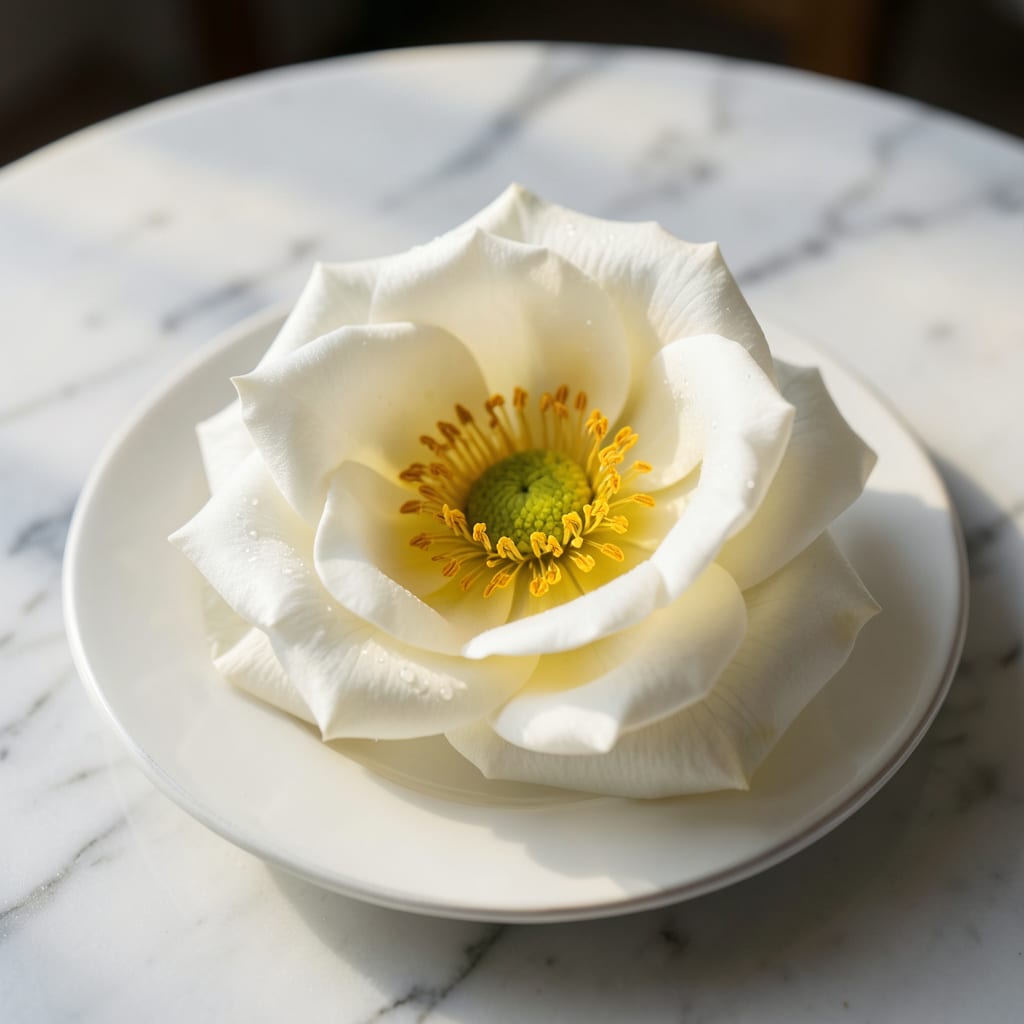
There’s something magical about white roses with golden centers blooming in the garden. 🌟 I’ve grown dozens of rose varieties, but these bicolor beauties always steal the show with their classic elegance and surprising hardiness.
They thrive in 6+ hours of sunlight and well-draining soil, rewarding you with abundant blooms that look stunning in bouquets or as living garden decor. The contrast between pure white petals and that sunny center never fails to stop visitors in their tracks.
📚 In This Guide
This method brings out the striking contrast of these bicolor beauties with minimal fuss.
Start with a white rose variety known for its yellow center, like ‘Graham Thomas’ or ‘Winchester Cathedral.’ These perform best in full sun (at least 6-8 hours daily). I’ve found that morning sun with afternoon shade works too, but the blooms won’t be as vibrant.
Pick a spot with well-draining soil—roses despise soggy roots. If your garden has heavy clay, amend it with compost or plant in raised beds. The soil pH should be slightly acidic to neutral (6.0-7.0) for the best color intensity.
Dig a hole twice as wide as the root ball and just as deep. Place the rose in the hole, ensuring the graft union (that bulge near the base) sits 1-2 inches above soil level in cold climates or at soil level in warmer zones. This prevents the graft from rotting or sending up suckers.
Backfill with native soil mixed with one-third compost for a nutrient boost. Water deeply after planting to remove air pockets, then mulch with 2-3 inches of organic matter to retain moisture and suppress weeds.
Roses are thirsty but hate wet feet. Water deeply at the base 2-3 times per week (more in extreme heat), allowing the top 1-2 inches of soil to dry between waterings. Avoid wetting the leaves to prevent fungal diseases like black spot.
Feed every 4-6 weeks during the growing season with a balanced fertilizer (10-10-10) or a rose-specific formula. I switch to a low-nitrogen fertilizer in late summer to encourage blooms over foliage growth.
Prune in early spring, just as the buds begin to swell but before leaves emerge. Remove dead, diseased, or crossing branches first. Then, shape the plant by cutting back one-third of the previous year’s growth, making cuts at a 45-degree angle just above an outward-facing bud.
Deadhead spent blooms regularly by snipping just above a 5-leaflet leaf. This encourages the plant to produce more flowers and keeps the yellow centers vivid by preventing seed formation.
In colder zones, mound 12 inches of soil around the base of the plant after the first frost, then cover with mulch or straw. This insulates the roots and graft union. Remove the mound in early spring as new growth appears.
Watch for pests like aphids or Japanese beetles, which love roses. A strong blast of water dislodges aphids, while handpicking or neem oil works for beetles. Healthy plants with good air circulation resist most issues naturally.
Small adjustments in care can make a big difference in bloom vibrancy.
The Sun Factor: Those 6-8 hours of daily sun in Step 1 are non-negotiable for the most striking bicolor effect. If you’re in a hotter climate, afternoon shade is fine, but morning sun is essential for the brightest yellow centers. I learned this the hard way when my first batch had pale centers from too much shade.
Soil Secret: In Step 2, when planting, don’t skip the one-third compost mix. It provides the nutrients these roses need to maintain their color intensity. Also, that 1-2 inches of organic mulch isn’t just for looks—it keeps the soil temperature consistent, which helps the yellow centers pop.
Watering Wisdom: The 2-3 times per week watering schedule in Step 3 works best when you check that top 1-2 inches of soil first. Stick your finger in—if it’s dry, it’s time to water. And always water at the base; wet leaves are an open invitation to fungal diseases.
Pruning Precision: For Step 4, that 45-degree angle cut isn’t just for aesthetics. It helps water run off the stem, preventing rot. And when deadheading, snipping just above a 5-leaflet leaf ensures new growth comes in strong, keeping those yellow centers vivid all season long.
A white rose with a yellow center often symbolizes purity, innocence, and joy. The white petals represent new beginnings, while the yellow center adds warmth and friendship, making it a perfect gift for celebrations or heartfelt gestures.
These roses thrive in well-drained soil and full sunlight (6+ hours daily). Water deeply 1-2 times a week, avoiding overhead sprinkling to prevent mildew. Prune spent blooms to encourage new growth and fertilize monthly during the growing season.
Most varieties bloom in late spring to early fall, with peak blooming in summer. Deadheading spent flowers can extend the blooming period. Some hybrid types may offer repeat blooms with proper care.
Yes! Consider Echinacea (cone flowers) or Rudbeckia (black-eyed Susans) for a similar bicolor look. For roses, ‘Graham Thomas’ or ‘Golden Celebration’ offer yellow tones with white blends.
Brown centers often signal overwatering, poor drainage, or fungal diseases like botrytis. Trim affected parts, improve airflow, and adjust watering habits. A copper-based fungicide can help if the issue persists.
