
Beautiful Plants For Your Interior
Beautiful Plants For Your Interior
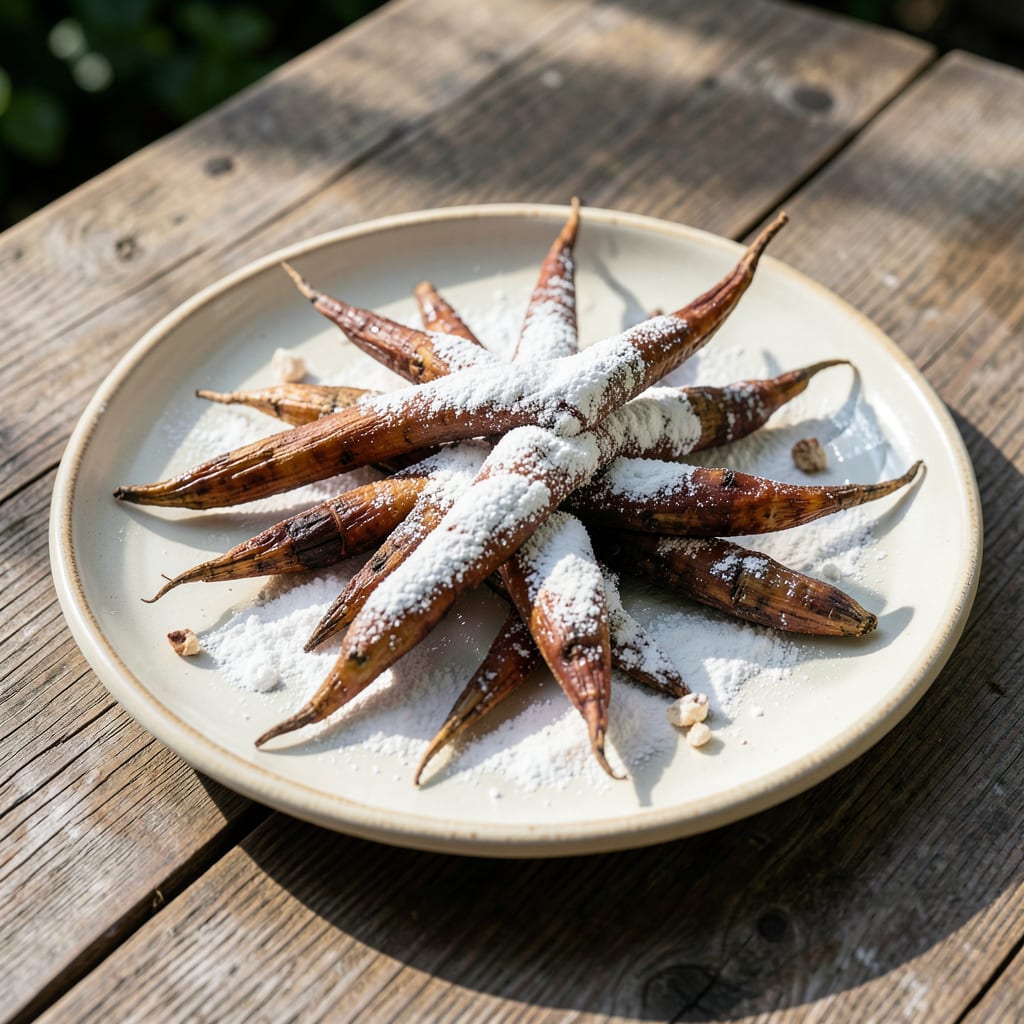
White powder on roots stopped me in my tracks last season. It’s not just unsightly—it’s a red flag that something’s attacking your plants underground.
Most often, it’s a fungal issue like powdery mildew or root rot, but sometimes pests leave similar residue. The good news? You can fix this without harsh chemicals.
I’ve rescued plants with simple organic treatments like neem oil, baking soda sprays, or even just improving drainage. The key is acting fast before it spreads.
Prevention is easier than cure: keep soil well-draining, avoid overwatering, and inspect roots regularly. Your plants will thank you with healthier growth and stronger resistance.
The appearance of white powder on plant roots is often a sign of underlying issues, primarily tied to environmental conditions or microbial activity. Below are the most common causes, explained with actionable insights.
Root-infecting fungi, such as Powdery Mildew or Sclerotinia, thrive in damp, poorly aerated soil. These pathogens form mycelium—a white, powdery growth—that coats roots, disrupting nutrient uptake. Overwatering or high humidity accelerates fungal spread.
Excess moisture creates anaerobic conditions, stressing roots and inviting fungal/bacterial growth. Compacted or clay-heavy soil exacerbates this by trapping water. Ensure pots have drainage holes and use well-aerating soil mixes.
Fluctuations in temperature (especially cold, damp environments) or consistently high humidity (above 60%) promote microbial activity. Greenhouses or indoor setups without proper ventilation are hotspots for white powdery growth.
Excessive nitrogen or phosphorus can alter soil pH, fostering fungal bloom. Conversely, potassium deficiency weakens plant defenses. Test soil regularly and adjust fertilizers to maintain balanced nutrient levels.
Reusing infected soil or unsterilized gardening tools spreads spores. Always sterilize pots and tools with a 10% bleach solution, and use fresh, pathogen-free potting mix for new plants.
When you spot that white powder on your plant’s roots, don’t panic—there are effective ways to tackle it. Below are targeted solutions based on the most common causes, along with prevention tips to keep your plants healthy long-term.
Fix: Remove affected soil or growing medium immediately to prevent spread. Treat the roots with a neem oil solution (1 tbsp neem oil + 1 tsp mild soap per gallon of water) or a baking soda spray (1 tsp baking soda + 1 quart water + a few drops of soap). Soak the roots for 10–15 minutes, then rinse with clean water.
Prevention: Improve airflow around the roots by using well-draining soil and avoiding overwatering. Space plants properly to reduce humidity buildup. 💡 Pro tip: Water in the morning so foliage and roots dry quickly.
Fix: Trim away blackened or mushy roots with sterilized scissors. Repot the plant in fresh, sterilized potting mix (bake used soil at 200°F for 30 minutes to kill fungi). Water with a hydrogen peroxide solution (1 part 3% H₂O₂ to 4 parts water) to oxygenate roots and kill pathogens.
Prevention: Use containers with drainage holes and avoid letting plants sit in saucers of water. Add a layer of hydroton or perlite to improve aeration. ✨ Bonus: Introduce beneficial fungi like mycorrhizae to outcompete harmful ones.
Fix: Flush the roots with distilled or rainwater to dissolve excess salts. For potted plants, run water through the soil for 5–10 minutes until it drains freely. For hydroponics, replace the nutrient solution and clean the system.
Prevention: Use filtered or reverse-osmosis water for irrigation. Reduce fertilizer frequency and always follow label instructions. 🎯 Monitor tip: Test soil EC (electrical conductivity) levels regularly—ideal ranges vary by plant type.
Yes, if caught early. Remove affected soil and treat roots with neem oil or hydrogen peroxide solution. Isolate the plant to prevent spreading.
Excess moisture creates perfect conditions for fungal growth. Ensure pots have drainage holes and use well-aerating soil.
Improve airflow, avoid overwatering, and sterilize tools/soil. Use filtered water and test soil nutrients regularly.
Flush the system with clean water and replace nutrient solution. Check for clogged pumps or poor circulation.
