
Beautiful Plants For Your Interior
Beautiful Plants For Your Interior
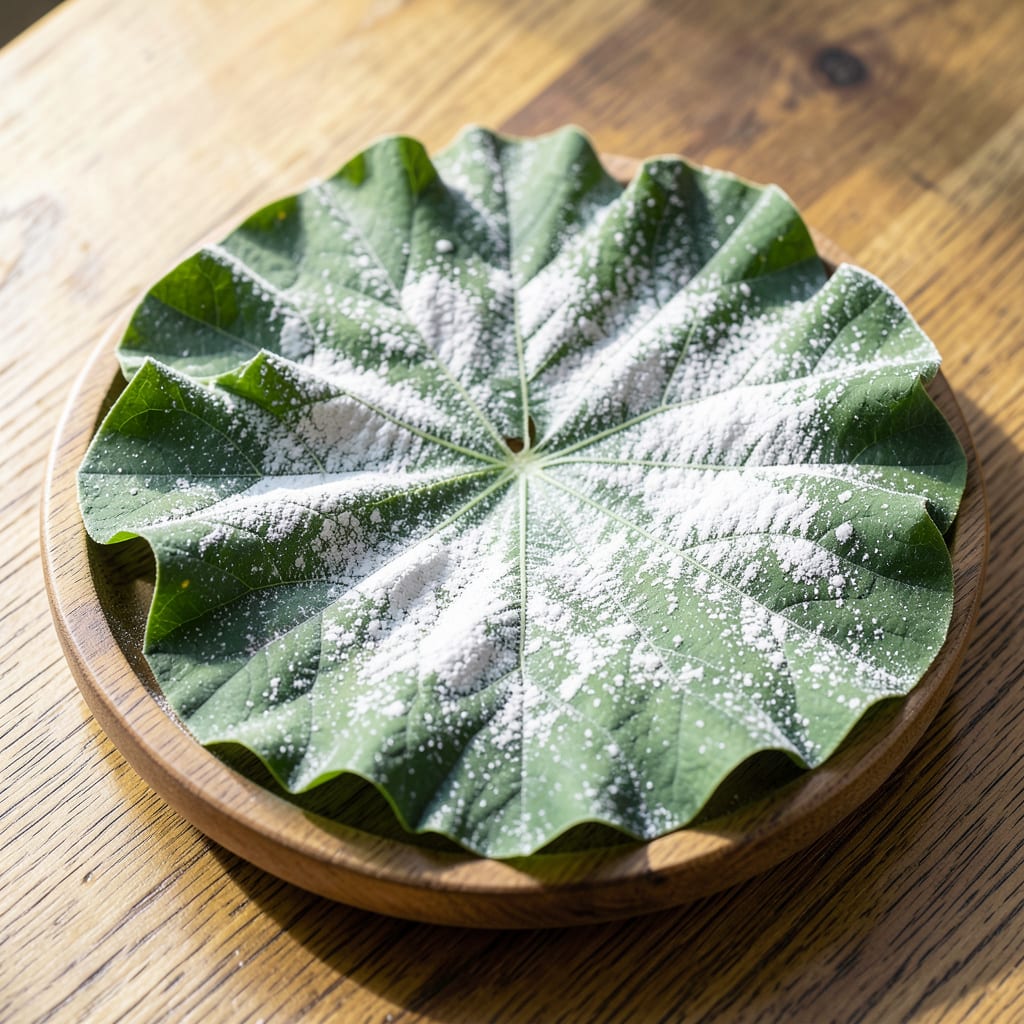
Spotted white powder on your pumpkin leaves? That’s powdery mildew, and it spreads fast in warm, dry weather.
I first noticed it on my vines last July—tiny white spots that merged into a dusty coating overnight. Left untreated, it stunts growth and slashes your harvest.
Good news: catching it early means you can reverse the damage. A few simple sprays and tweaks to airflow can save your plants.
Here’s how to confirm the issue, treat it naturally, and keep your pumpkins thriving through the season.
The white powder on pumpkin leaves is most commonly caused by powdery mildew, a fungal disease that thrives in warm, dry conditions with high humidity. This fungus, Podosphaera xanthii, spreads via airborne spores and infects the plant’s surface, forming a powdery white coating. 🌡️
Crowded plantings or dense foliage restrict airflow, creating a microclimate that traps moisture and encourages fungal growth. Pumpkins need space to breathe—without it, spores settle and germinate more easily.
Powdery mildew flourishes when humidity is high (60-80%) but leaf surfaces remain dry. Evening dew or overhead watering can exacerbate this by providing the moisture fungi need without washing spores away.
Drought-stressed or heat-stressed pumpkin plants are more susceptible to infection. Weakened plants produce fewer natural defenses, allowing fungi to establish themselves more readily.
Excess nitrogen promotes lush, soft leaf growth, which is more vulnerable to fungal invasion. A balanced fertilizer (lower in nitrogen, higher in phosphorus and potassium) strengthens plant cell walls, making them less hospitable to powdery mildew.
When you spot white powder on pumpkin leaves, quick action is key to saving your plants. Below are targeted solutions for the most common causes, along with prevention tips to keep your garden thriving.
Mix 1 tablespoon baking soda + 1 teaspoon dish soap + 1 gallon water and spray affected leaves weekly. Remove heavily infected leaves and dispose of them away from the garden. Prevention: Space plants for airflow, water at the base (not overhead), and choose mildew-resistant varieties.
Wipe leaves with a cotton swab dipped in rubbing alcohol to remove pests. For larger outbreaks, spray with neem oil or insecticidal soap every 3–4 days until gone. Prevention: Introduce beneficial insects like ladybugs and avoid over-fertilizing, which attracts pests.
Rinse leaves gently with clean water to remove dust or spray residue. If the powder persists, test soil for pH imbalances or excess minerals. Prevention: Use organic sprays, and always follow label instructions for application rates.
Yes, it can be. If left untreated, powdery mildew weakens the plant, reduces photosynthesis, and may lower your harvest. Early treatment is key to preventing serious damage.
The fruit itself is typically safe to eat, as powdery mildew primarily affects leaves. However, wash pumpkins thoroughly before consumption to remove any residual spores.
For baking soda or neem oil sprays, apply every 7-10 days or after rain. Consistency is crucial, as powdery mildew can return if not fully eradicated.
Removing heavily infected leaves can help, but it must be done carefully. Always sterilize pruning tools with rubbing alcohol between cuts to avoid spreading the fungus.
