
Beautiful Plants For Your Interior
Beautiful Plants For Your Interior
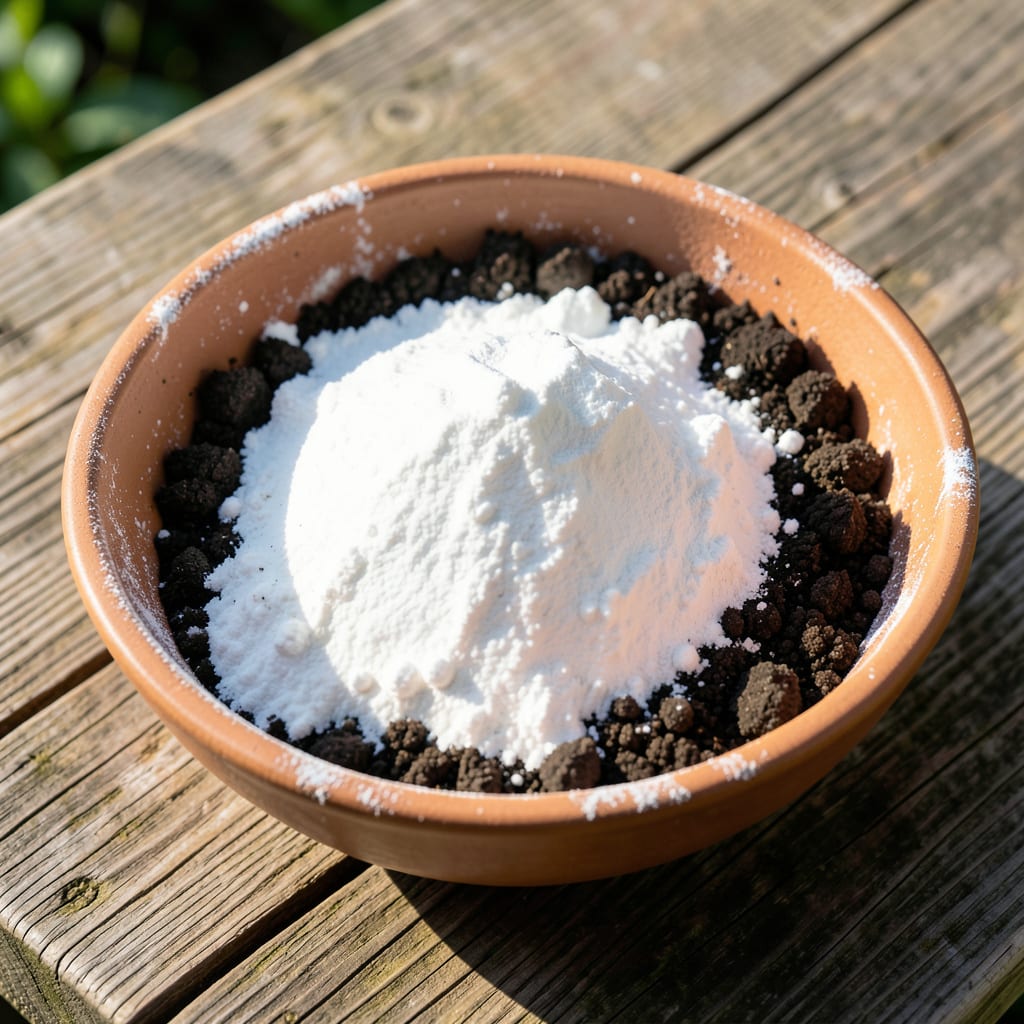
I spotted white powder in my garden soil last week and panicked. Turns out, it’s not always bad news—sometimes it’s just minerals, but often it’s a sign of trouble brewing.
Fungal growth, hard water deposits, or even pest activity can leave that chalky residue. The good news? Each cause has a simple fix, from adjusting watering habits to adding organic matter.
Left unchecked, some types can harm plant roots or spread to foliage. The key is identifying the source fast so you can act before it affects your entire garden.
Here’s how to diagnose the issue and restore your soil to its healthy, productive state.
Several natural and environmental factors can lead to the appearance of white powder in soil. Here are the most common causes, explained in detail:
One of the primary culprits is fungal activity. Certain fungi, like Sclerotinia or powdery mildew, produce white, powdery spores as part of their life cycle. These fungi thrive in moist, poorly drained soils with high organic matter. If your soil stays damp for long periods, it creates the perfect environment for these fungi to grow and spread, leaving a white residue on the surface.
White powder can also result from mineral buildup, particularly in areas with hard water or high salt content. As water evaporates, it leaves behind deposits of calcium, magnesium, or gypsum. This is common in arid regions or soils frequently irrigated with mineral-rich water. Over time, these deposits accumulate, forming a visible white layer.
Overuse of chemical fertilizers, especially those high in phosphorus or lime, can cause a white, chalky residue. These fertilizers often contain salts or minerals that don’t fully dissolve in the soil. When the soil dries, the leftover particles appear as a white powder. This is more likely in over-fertilized or poorly mixed soil.
In some cases, the white powder is simply the result of natural soil erosion. Soils rich in limestone or chalk can break down over time, releasing fine white particles. Wind or water can then carry these particles to the surface, making them more visible. This is especially common in dry, windy climates.
Tackling that mysterious white powder in soil starts with identifying the cause. Below are targeted fixes, organized by the most common culprits, along with prevention tips to keep your soil healthy long-term.
💡 Pro Tip: Always wear gloves when handling affected soil or chemicals, and dispose of contaminated material in sealed bags to avoid cross-contamination.
Not always. Mineral deposits are harmless, but fungal growth can damage roots if left untreated. Test a small area first to determine the cause before taking action.
Fungus appears fluffy or powdery and spreads quickly, while minerals look like chalky dust. Fungus thrives in wet soil, but minerals remain even when dry.
It can help if the problem is localized. Use fresh, sterile soil and clean the pot thoroughly. For widespread issues, treat the entire garden area to prevent recurrence.
A diluted vinegar solution can dissolve light mineral buildup. Mix 1 part vinegar with 3 parts water and apply to the soil. Avoid overuse, as it may alter soil pH.
