
Beautiful Plants For Your Interior
Beautiful Plants For Your Interior
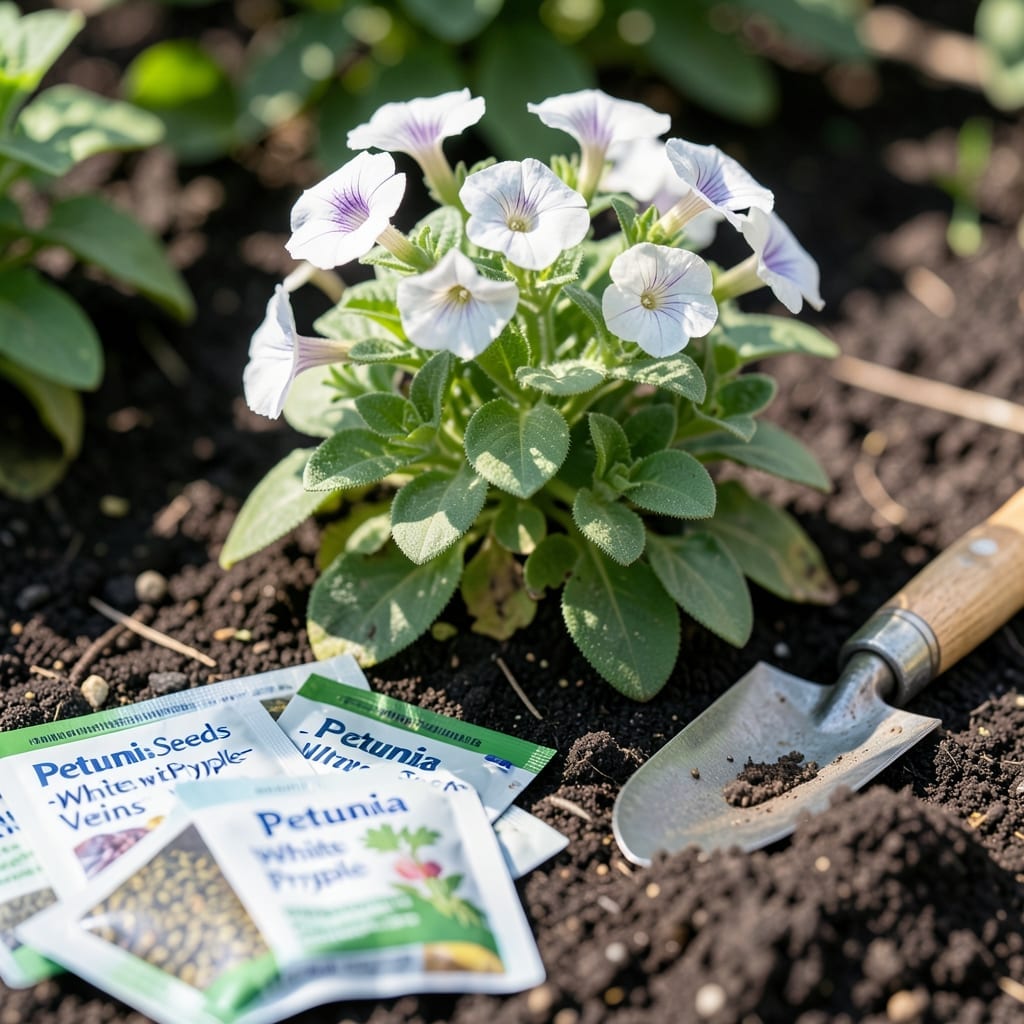
I started my first white petunias from seed on a whim, and they became the star of my spring garden. There’s something magical about watching those tiny seeds transform into cascading snow-white blooms that brighten any space.
This method gives you complete control over varieties and timing. With the right light and moisture, you’ll have strong seedlings ready for transplant in 6-8 weeks. The payoff is a garden bursting with pure white color that stands out against any backdrop.
📚 In This Guide
Here is the method I rely on to produce vigorous petunia plants ready for spring planting every time.
Begin with fresh white petunia seeds from a reputable supplier—old seed loses viability quickly. I always check the packet date before purchasing. Use a clean seed tray with individual cells or small pots to prevent root disturbance during transplanting.
Fill each cell with a sterile seed-starting mix that drains well. Avoid garden soil, as it compacts and may harbor diseases. Moisten the mix thoroughly before sowing, ensuring it holds together when squeezed but doesn’t drip.
Petunia seeds are tiny, so I use a toothpick to place 1-2 seeds per cell on the soil surface. Press them in lightly—just enough to make contact with the mix. These seeds need light to germinate, so do not bury them.
Mist the surface gently with a spray bottle to avoid displacing the seeds. Cover the tray with a clear humidity dome or plastic wrap to maintain consistent moisture. Place the tray in a warm location, ideally 70-75°F.
Petunia seeds germinate best under bright, indirect light. A full-spectrum grow light positioned 2-4 inches above the tray works perfectly. Keep the light on for 14-16 hours daily to encourage strong, compact growth.
You’ll see sprouts in 7-14 days. Once germination occurs, remove the dome and lower the light slightly to prevent leggy growth. Thin seedlings to one per cell when they develop first true leaves.
When seedlings have 3-4 true leaves and outdoor temperatures remain above 50°F at night, begin hardening off. Place trays outside in a shaded, sheltered spot for 1-2 hours the first day, increasing exposure gradually over 7-10 days.
Transplant into the garden or containers after the last frost date. Space plants 12-18 inches apart in well-draining soil. Water deeply at the base to settle the roots and reduce transplant shock.
White petunias thrive in full sun and require consistent moisture. Water at the base when the top inch of soil feels dry, avoiding wetting the foliage to prevent disease. Feed with a balanced, water-soluble fertilizer every 2-3 weeks during the growing season.
Deadhead spent blooms regularly to encourage continuous flowering. Pinch back leggy stems to promote bushier growth and more flowers. With proper care, your petunias will reward you with abundant white blooms throughout the season.
These small adjustments make a surprising difference in your success rate.
Seed Selection: In Step 1, always verify the packet date on your white petunia seeds—anything older than one year has significantly reduced viability. I’ve learned the hard way that fresh seeds from a trusted supplier germinate faster and more uniformly within that 7-14 day window mentioned in Step 3.
Light Positioning: For Step 3, keep that full-spectrum grow light precisely 2-4 inches above the tray. I use a simple ruler to measure—any higher and your seedlings will stretch toward the light, becoming leggy. The 14-16 hours daily under bright, indirect light produces stocky, healthy sprouts ready for thinning.
Hardening Off Patience: Step 4’s hardening off process can’t be rushed. That first day of just 1-2 hours outside might seem too cautious, but I’ve lost entire trays by skipping this gradual acclimation. Over 7-10 days, your seedlings build the strength to handle outdoor conditions without shock.
Watering Discipline: In Step 5, water at the base only when the top inch of soil feels dry. I check with my finger every morning—petunias hate soggy roots but will reward consistent moisture with abundant blooms. This single habit prevents most fungal issues I see in new gardeners.
White petunia seeds typically germinate in 7–14 days under ideal conditions (70–75°F, consistent moisture, and light). Use a seed-starting mix and keep the soil warm for faster results.
Direct sowing is possible in warm climates after the last frost, but starting seeds indoors 8–10 weeks early is more reliable. Transplant seedlings once nighttime temps stay above 50°F.
Common issues include old seeds, overly wet/dry soil, or insufficient light. Ensure fresh seeds, moist (not soggy) soil, and a bright location (or grow lights).
Nursery-grown white petunia plants save time and effort. Look for healthy, pest-free starts if you prefer instant blooms without the wait.
Collect seeds from faded flowers once the seed pods turn brown and dry. Store in a cool, dry place for next season’s planting.