
Beautiful Plants For Your Interior
Beautiful Plants For Your Interior
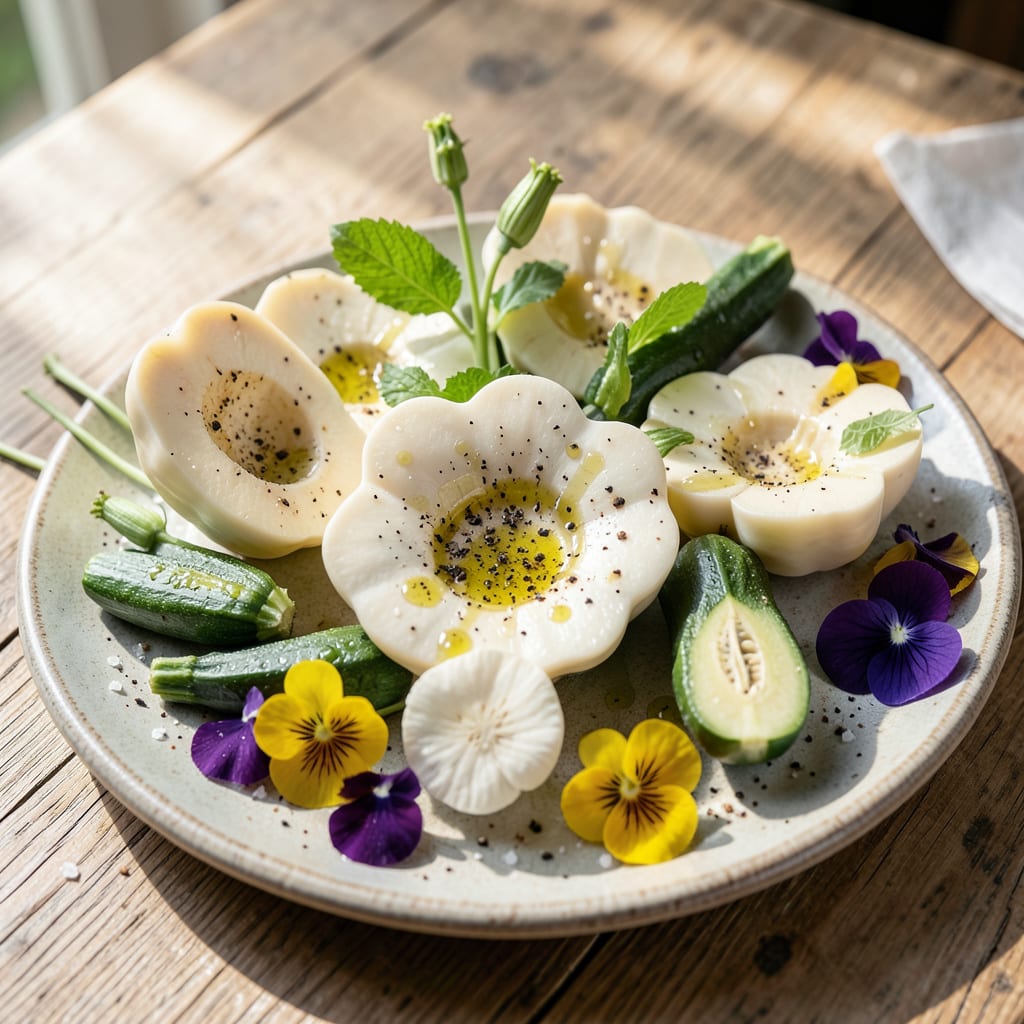
I fell for white patty pan squash the first time I saw those pale, flying-saucer shapes hiding under the leaves.
These plants produce dozens of delicate, buttery-flavored squash all season with minimal fuss. A sunny spot, consistent water, and well-drained soil are all it takes to fill your basket with harvests from summer through fall.
📚 In This Guide
Here’s the exact method I use to get perfectly sweet, tender white patty pan squash every harvest season.
Start checking plants daily once the first female flowers appear—you’ll recognize them by the tiny squash at their base. Male flowers grow on long, slender stems without this swelling. I mark the date when I spot the first female bloom because that’s your 0-day reference point for harvest timing.
The squash will grow rapidly, often doubling in size within 24 hours during warm weather. You’ll see the fruit transition from a flower bud to a 1-2 inch patty pan in just a few days. This is when the flavor is at its peak—sweet, nutty, and without a hint of bitterness.
White patty pan squash reaches ideal harvest size at 2-3 inches in diameter. At this stage, the skin is still tender enough to eat, and the seeds inside are barely formed. I use a small ruler or compare against my palm—most adults’ hands span about 3 inches from thumb to pinky when splayed.
Wait too long and the squash becomes tough and seedy. You’ll notice the skin hardening and turning a duller white when it’s past prime. The stem also becomes woody and difficult to cut. Harvest in the morning when the plant’s moisture content is highest for the crispiest texture.
Cut the squash from the vine using sharp pruners or a knife, leaving ½ inch of stem attached. Never pull or twist the fruit off, as this damages the plant and can lead to rot. I hold the squash gently with one hand while cutting with the other to prevent dropping it.
Inspect each squash as you harvest. Perfect specimens have glossy skin, firm flesh, and no soft spots. If you find any with blemishes, harvest them separately for immediate use—they won’t store as well but are still perfectly edible.
White patty pan squash is best used within 3-5 days of harvest for maximum sweetness. Store unwashed in a single layer in the refrigerator’s crisper drawer. I avoid washing until ready to use because moisture speeds up spoilage.
For longer storage, you can freeze them. First blanch in boiling water for 2 minutes, then plunge into ice water to stop the cooking process. Pat dry thoroughly before freezing in a single layer on a tray, then transfer to airtight containers.
After harvesting, check the plant for new growth. Patty pan squash produces continuously if you keep picking. I find that removing any oversized squash (even if past prime) signals the plant to redirect energy into new fruit rather than seed development.
Water deeply at the base after each major harvest to help the plant recover. You’ll often see new flowers within 3-4 days of picking, especially if the plant is healthy and well-fed. The more you harvest, the more the plant will produce throughout the season.
Small details make the difference between mediocre and magnificent harvests.
Timing Secret: That 24-hour growth window during warm weather is critical—check plants twice daily when temperatures rise above 80°F, as squash can go from ideal to oversized in a single afternoon. I set phone reminders to avoid missing the peak.
Size Accuracy: For the 2-3 inch diameter target, use your palm as a ruler. Most adults’ hands span exactly 3 inches from thumb to pinky, making this a perfect field measurement tool. Anything larger than your palm is past prime.
Harvest Technique: The ½ inch of stem isn’t just for looks—it prevents moisture loss and rot. I keep a pair of sharp pruners in my harvest basket specifically for clean cuts that won’t damage the vine.
Storage Wisdom: That 3-5 day window for peak sweetness is non-negotiable. Store unwashed in a single layer, as stacking traps moisture. I line my crisper drawer with paper towels to absorb any condensation.
Pick them when they’re 2–3 inches wide, with soft, glossy skin. Overripe squash becomes tough and seedy.
Yes! The tender skin is edible when harvested young. Just wash it well—no peeling needed for maximum flavor and nutrients.
Store unwashed squash in the fridge for up to 5 days. For longer storage, blanch and freeze for future use.
Bitterness can result from overripe squash or poor growing conditions. Harvest early and ensure consistent watering to keep them sweet.
Absolutely! Their mild flavor and texture make them a great 1:1 swap in recipes like stir-fries, grills, or baked dishes.
