
Beautiful Plants For Your Interior
Beautiful Plants For Your Interior
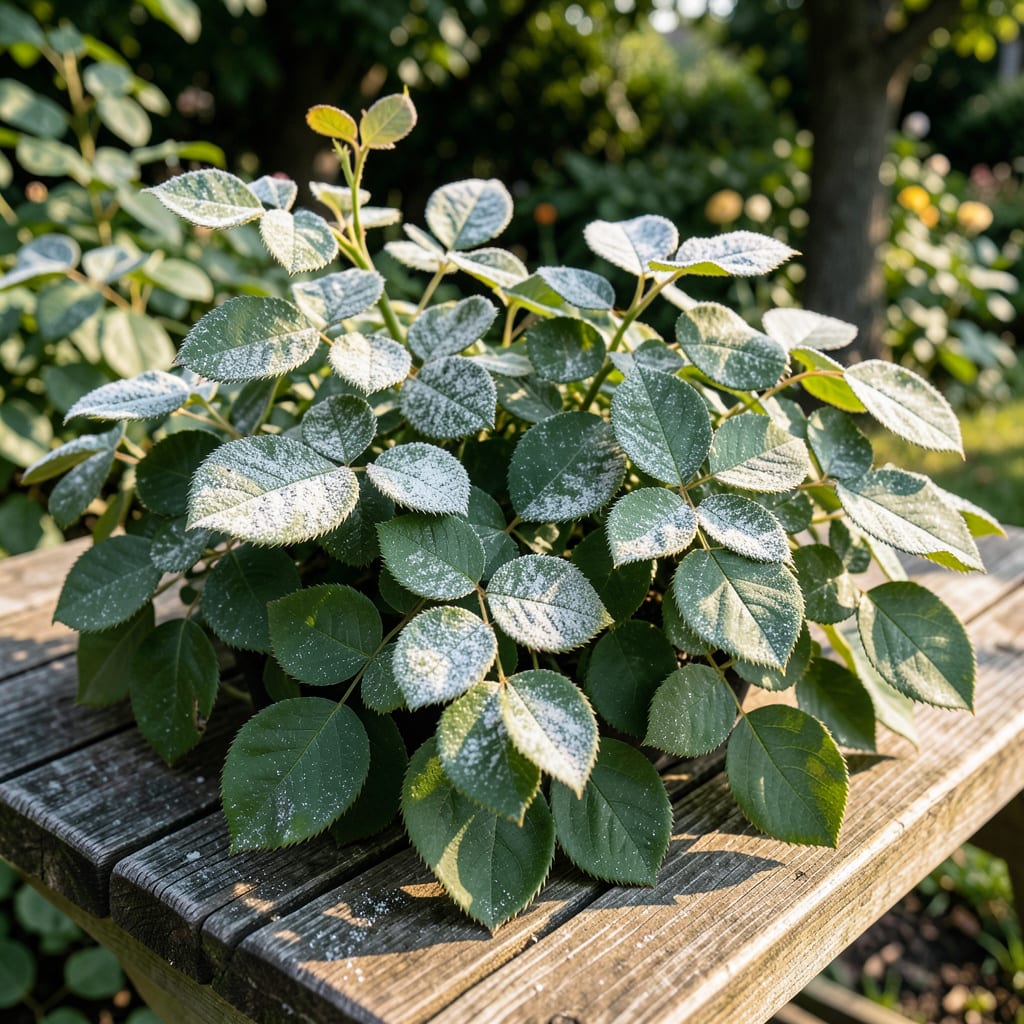
That white coating on your rose leaves isn’t just unsightly—it’s a red flag. I’ve battled this exact problem in my garden, and the sooner you act, the better your chances of saving your plants.
Powdery mildew thrives in humid conditions with poor air circulation. Left unchecked, it spreads fast, weakening your roses and stunting new growth. The good news? It’s easily treatable with the right approach.
You’ll see results within 7-10 days of starting treatment. Regular prevention keeps it from returning, so your roses stay vibrant and healthy all season long.
Works for all rose varieties, whether in beds, borders, or containers. Let’s tackle this head-on.
White residue on rose bush leaves is usually a sign of powdery mildew (Podosphaera pannosa), a fungal disease that thrives in specific conditions. Below are the primary causes, each with actionable insights to help you address the root of the problem.
Powdery mildew spores germinate in environments with 60–80% humidity but low moisture on the leaves. Crowded plantings, dense foliage, or shaded areas restrict airflow, creating a microclimate ideal for fungal growth. Prune overgrown branches and space roses 3–4 feet apart to improve ventilation.
Watering from above leaves foliage damp for extended periods, providing the moisture spores need to infect leaves. Switch to drip irrigation or soaker hoses to deliver water directly to the roots, keeping leaves dry. Water in the early morning so any incidental moisture evaporates quickly.
Some roses are genetically more vulnerable to powdery mildew, including hybrid teas and certain climbers. If your garden has a history of this issue, opt for disease-resistant varieties like ‘Knock Out,’ ‘Carefree Beauty,’ or ‘Bonica.’ These cultivars have natural defenses against fungal spores.
Over-fertilizing with nitrogen promotes lush, tender growth—a favorite target for powdery mildew. Use a balanced fertilizer (e.g., 10-10-10) and avoid high-nitrogen feeds late in the growing season. Strengthen plants with potassium-rich amendments (like wood ash) to boost resistance.
Spores overwinter in plant debris and soil, reinfecting roses the following season. Remove and destroy (not compost) fallen leaves and pruned material. Apply a baking soda spray (1 tbsp baking soda + 1 tsp dish soap + 1 gallon water) every 7–10 days as a preventative during high-risk periods (spring/fall).
Dealing with white residue on your rose bush leaves? Here’s how to tackle each cause with simple, effective solutions and prevention tips to keep your roses thriving. 🌹
If the white coating is powdery mildew, start by pruning affected leaves and stems to stop the spread. Mix 1 tablespoon of baking soda, 1 teaspoon of dish soap, and 1 gallon of water, then spray it on the plant weekly until the issue clears. For severe cases, use a fungicide labeled for powdery mildew. Prevention tip: Improve air circulation by spacing plants properly and watering at the base to keep leaves dry. 💡
For pests like aphids or mealybugs, blast them off with a strong stream of water. Follow up with neem oil or insecticidal soap, applying every 5-7 days until pests are gone. Prevention tip: Encourage natural predators like ladybugs by planting companion flowers nearby. ✨
If hard water or foliar sprays left mineral deposits, gently wipe leaves with a damp cloth or rinse with distilled water. Switch to soft water or rainwater for future watering. Prevention tip: Use a water filter if your tap water is high in minerals. 🌧️
For other fungal issues, remove infected leaves and avoid overhead watering. Apply a copper-based fungicide as directed. Prevention tip: Keep the garden clean by removing fallen debris where fungi can thrive. 🎯
With these steps, your rose bushes will be back to their vibrant best in no time!
Yes, powdery mildew spores can travel through air and water. Isolate affected roses and treat immediately to protect nearby plants.
Baking soda solution is generally safe, but test on a few leaves first. Use 1 tablespoon per gallon with 1 teaspoon dish soap for best results.
With proper treatment, you should notice reduced white residue within 7-10 days. Continue preventive measures to stop recurrence.
