
Beautiful Plants For Your Interior
Beautiful Plants For Your Interior
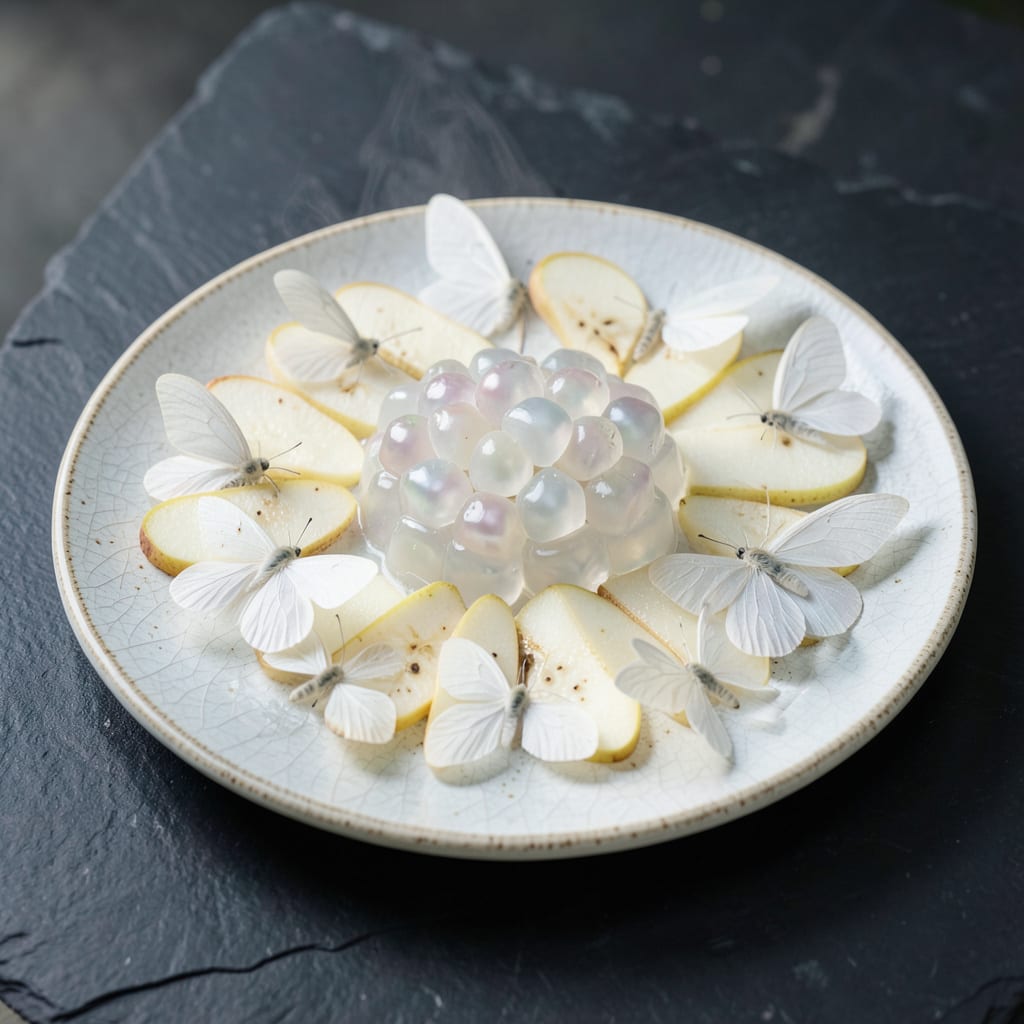
White moths fluttering around your Pennsylvania garden aren’t just annoying—they’re a warning sign. I learned this the hard way after watching my kale turn into lace overnight.
These pests lay eggs that hatch into hungry caterpillars, and they don’t discriminate between ornamentals and veggies. The damage happens fast, often before you even notice the adults. Early detection is your best defense against a full-blown infestation.
With the right approach, you can protect your plants without resorting to harsh chemicals. I’ve tested organic sprays, row covers, and beneficial insect strategies that actually work in PA’s climate.
Whether you’re dealing with cabbage moths or Indian meal moths, the solutions are simpler than you think.
White moths in Pennsylvania often appear due to a combination of environmental, seasonal, and human-related factors. Understanding these causes can help you address infestations more effectively. Below are the primary reasons behind their presence.
Pennsylvania’s diverse ecosystems, including forests, gardens, and urban green spaces, provide ample food for moth larvae (caterpillars). Many white moth species, like the Cabbage White or Indian Meal Moth, thrive on plants, grains, or stored pantry items. Overgrown vegetation, unsealed food containers, or improperly stored pet food can attract adult moths looking to lay eggs.
White moths are cold-blooded insects, and their activity spikes during warmer months (spring to early fall). Pennsylvania’s humid summers create ideal breeding conditions. As temperatures rise, moths emerge from pupae faster, leading to visible swarms around porches, windows, or outdoor lights at night.
Improper waste management, cluttered storage areas, or untreated wooden structures can invite moth infestations. Cardboard boxes, wool fabrics, or old birdseed in sheds and garages often harbor eggs. Regular cleaning, sealing cracks, and using airtight containers can disrupt their life cycle.
In urban areas, streetlights and porch lights attract nocturnal moths, leading to higher visibility—though this doesn’t always indicate an infestation.
Dealing with white moths in your Pennsylvania home or garden can be frustrating, but these practical solutions will help you regain control. Below, we break down the most common causes and their fixes, along with prevention tips to keep them from returning.
If you spot white moths in your kitchen, they’re likely Indian meal moths or pantry moths. Start by emptying infested cabinets and vacuuming every crack and crevice. Wipe shelves with vinegar or soapy water to remove larvae and eggs. Store dry goods like flour, cereal, and pet food in airtight glass or metal containers—plastic bags aren’t enough. For extra protection, add bay leaves to containers; their scent repels moths.
Prevention tip: 💡 Inspect groceries before bringing them inside, especially bulk items. Freeze susceptible foods for 4 days to kill any hidden eggs.
White moths damaging fabrics? These are likely webbing clothes moths. Wash or dry-clean all affected clothing, blankets, and upholstery. Vacuum carpets, closets, and under furniture thoroughly. For natural deterrents, place cedar blocks, lavender sachets, or mothballs in storage areas. Store off-season clothes in sealed plastic bins rather than cardboard boxes.
Prevention tip: ✨ Regularly air out stored fabrics and keep humidity low with a dehumidifier.
White moths outside are often drawn to lights at night or rotting organic matter. Switch to yellow bug lights or motion-activated lighting to reduce attraction. Clear away leaf litter, mulch piles, and overripe fruit from your yard. If moths are swarming near plants, introduce beneficial predators like birds or bats by adding a birdhouse or bat box.
Prevention tip: 🎯 Trim vegetation away from your home’s exterior to limit hiding spots.
With consistent effort, you can eliminate white moths and prevent future invasions. Stay vigilant, and your home will stay moth-free!
Look for wingspan size and patterns. Pantry moths are small with copper-colored wing tips, while clothes moths have fuzzy bodies and no coloration. Outdoor species near plants are often cabbage whites with black spots on their wings.
Mothballs are effective for clothes moths but should never be used near food. For pantry moths, use pheromone traps instead. Always follow safety instructions and keep them away from children and pets.
Discard all infested food immediately. Then vacuum and wipe shelves with vinegar. Store all dry goods in airtight containers for at least 2 weeks to break their life cycle.
