
Beautiful Plants For Your Interior
Beautiful Plants For Your Interior
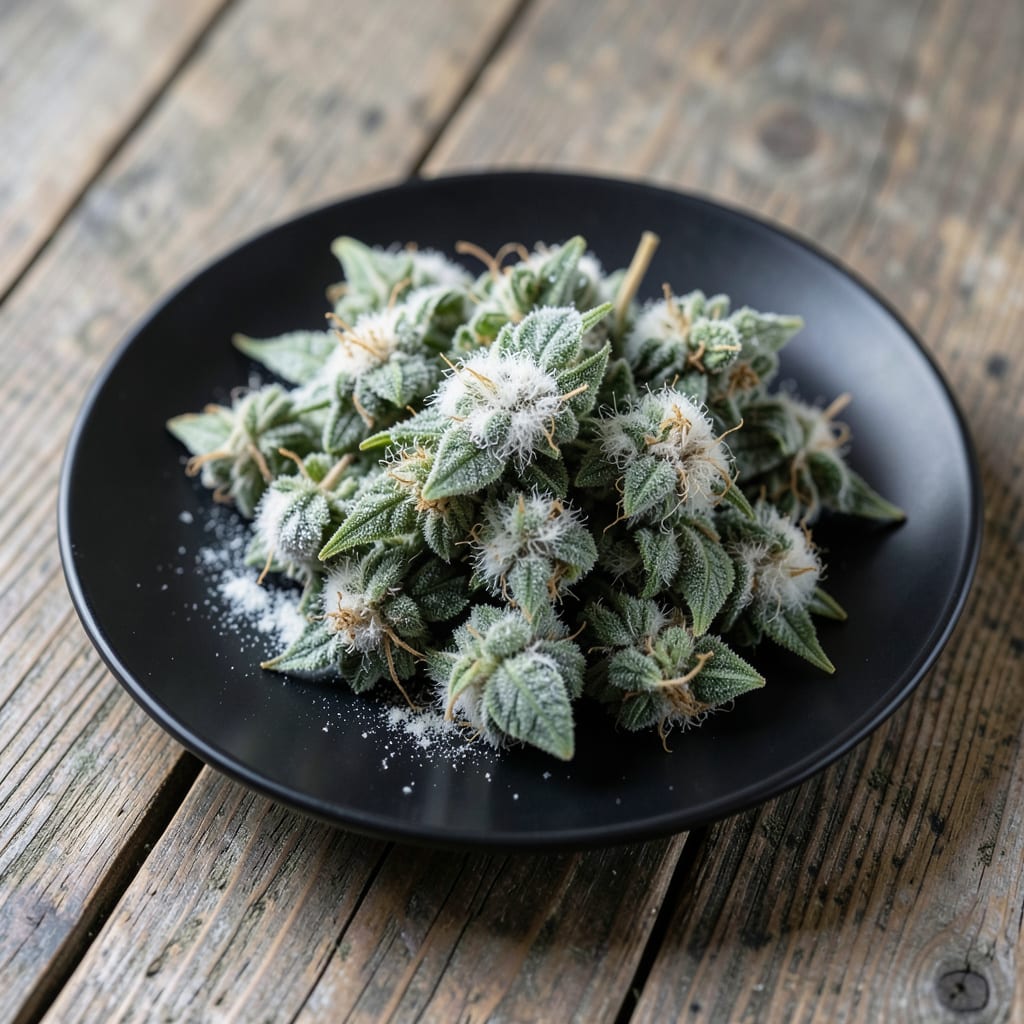
Spotted the cottony white growth on your plants? I’ve been there—white mold spreads fast, but catching it early saves your crop.
This fungus thrives in crowded, damp conditions. I lost half my garden one summer before learning the signs: fuzzy patches on stems, yellowing leaves, and stunted growth.
Organic removal works. A baking soda spray, improved airflow, and removing infected parts stops the spread without harsh chemicals.
Prevention is simpler than cure. Space plants properly, water at the base, and keep the garden clean. Your plants will thank you.
White mold on cannabis, often Sclerotinia sclerotiorum or Botrytis cinerea, thrives under specific environmental and cultivation conditions. Understanding these triggers helps growers prevent outbreaks and protect their crop. Below are the primary causes, explained with actionable insights.
White mold spores germinate in humidity levels above 70% and stagnant air. Dense canopies trap moisture, creating microclimates ideal for fungal growth. Solution: Use dehumidifiers, oscillating fans, and prune lower foliage to improve circulation.
Packed plants restrict airflow and increase shade, promoting dampness. Mold spreads quickly in such conditions. Solution: Space plants appropriately (1–2 feet apart for outdoor grows) and employ low-stress training (LST) to open the canopy.
Overwatering or poor drainage leads to soggy substrates, stressing roots and inviting mold. Solution: Water only when the top inch of soil is dry, and ensure pots have drainage holes.
Mold spores linger on unclean pruners, pots, or reused soil. Solution: Sterilize tools with isopropyl alcohol and use fresh, pasteurized soil or growing media for each cycle.
UV light (especially UV-C) naturally suppresses fungal spores. Indoor grows without UV exposure are more vulnerable. Solution: Incorporate UV lights or ensure outdoor plants receive direct sunlight.
White mold can be a persistent issue, but tackling it early and effectively is key. Below are targeted solutions based on the most common causes, along with prevention tips to keep your plants healthy long-term.
If excess moisture is the culprit, start by increasing ventilation in your grow space. Use fans to promote air circulation and consider a dehumidifier if humidity consistently stays above 50%. Trim dense foliage to allow light and air to penetrate the canopy. For immediate relief, gently wipe affected areas with a damp cloth to remove visible mold, then apply a baking soda solution (1 tbsp baking soda + 1 gallon of water + a few drops of dish soap).
Prevention tip: 💡 Maintain humidity levels between 40-50% and ensure proper spacing between plants.
Stagnant air is a breeding ground for mold. Reposition oscillating fans to cover all areas, especially the lower branches. If growing indoors, ensure your exhaust system is functioning well. For outdoor plants, avoid overcrowding and prune regularly to improve airflow. A neem oil spray (mix 2 tbsp neem oil + 1 tsp dish soap + 1 gallon of water) can also help deter mold spores.
Prevention tip: ✨ Keep fans running on a timer to simulate a natural breeze and reduce moisture buildup.
Overwatered plants are more susceptible to mold. Let the top inch of soil dry out between waterings, and always water at the base—avoid wetting the leaves. If mold has already appeared, reduce watering frequency and switch to a well-draining soil mix. A hydrogen peroxide solution (1 part 3% H₂O₂ to 4 parts water) can be sprayed on affected areas to kill mold without harming the plant.
Prevention tip: 🎯 Use a moisture meter to monitor soil conditions and water only when necessary.
Dead leaves and plant debris can harbor mold spores. Remove fallen leaves and prune dead or dying foliage immediately. Sanitize your grow area by wiping down surfaces with a vinegar-water mix (1:1 ratio). For stubborn mold, a copper fungicide (follow label instructions) can be effective.
Prevention tip: 🌡️ Keep your grow space tidy and free of organic clutter to minimize spore spread.
Yes, it can quickly spread and damage foliage, stems, and buds if left untreated. It weakens plants by blocking light and nutrients, eventually killing affected areas.
Remove all visible mold and prune affected parts immediately. If the infection is severe, isolate or discard the plant to protect others.
Maintain 40-50% humidity, improve airflow with fans, and avoid overwatering. Clean tools and remove plant debris regularly.
Yes! Baking soda spray, neem oil, and hydrogen peroxide work well for mild cases. Apply early for best results.
