
Beautiful Plants For Your Interior
Beautiful Plants For Your Interior
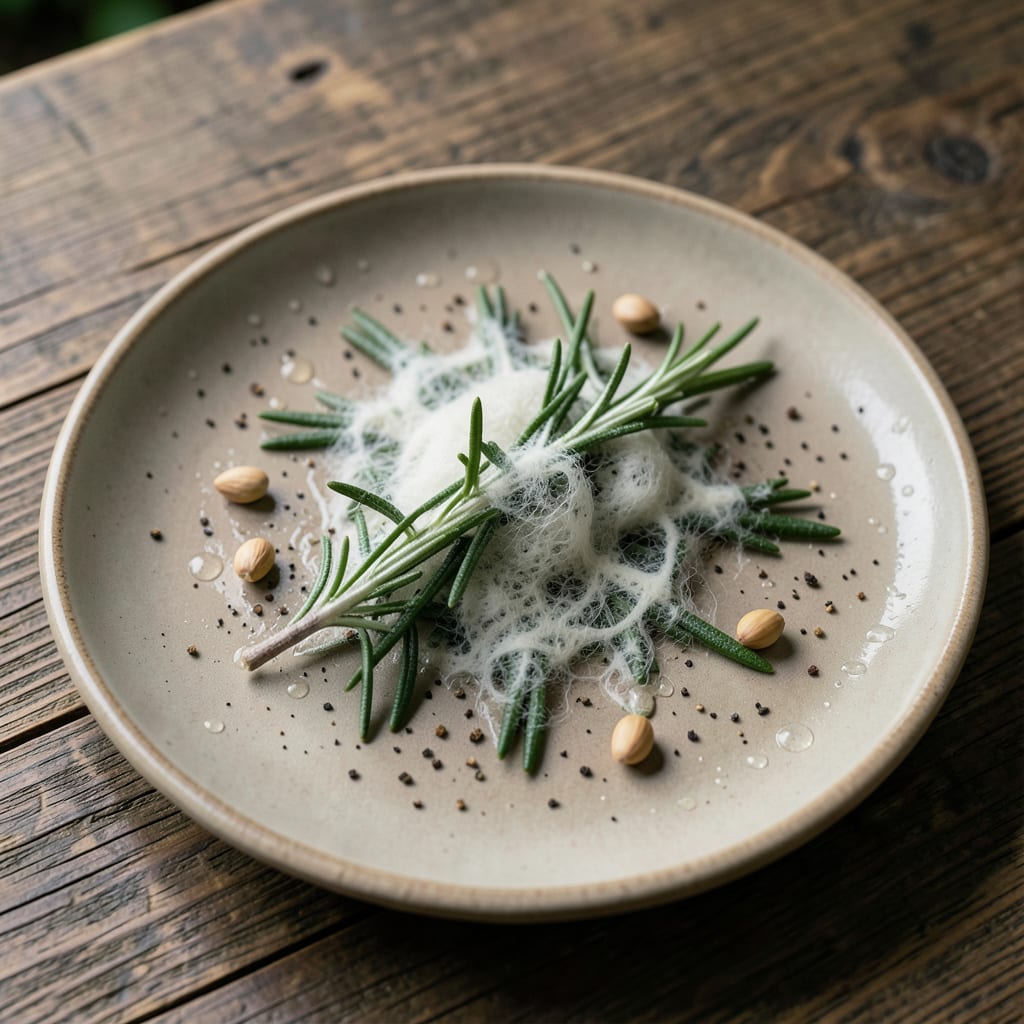
White fuzz on your rosemary isn’t just ugly—it’s a warning sign. I’ve lost 3 plants to this before learning that overcrowding and damp air create the perfect mold breeding ground.
The fix starts with air circulation. Space plants 18-24 inches apart, prune dense growth, and water at the base to keep foliage dry. Most cases clear up within 2 weeks of better airflow.
For stubborn spots, a baking soda solution or neem oil spray works without harsh chemicals. The key is catching it early—once it spreads, recovery gets tougher.
Prevention is simpler than treatment. Sunlight, spacing, and smart watering keep rosemary thriving and mold-free for seasons.
White mold on rosemary typically stems from environmental and cultural conditions that favor fungal growth. Below are the primary causes, explained with actionable insights.
High humidity and poor drainage create the perfect breeding ground for Sclerotinia or other fungal pathogens. Rosemary thrives in dry, well-ventilated conditions, so overwatering or stagnant air can lead to white mold. Ensure pots have drainage holes and avoid waterlogging the soil.
Cool, damp weather (50–70°F) accelerates fungal spores’ growth. Rosemary prefers warm, arid climates, so sudden temperature drops or prolonged cool spells can trigger outbreaks. Use row covers or move potted plants indoors during unseasonable chills.
Dense foliage or crowded plantings trap moisture, promoting mold. Prune regularly to improve airflow, and space rosemary plants at least 2–3 feet apart. Avoid overhead watering to keep leaves dry.
Fungal spores can linger in soil or compost. Sterilize potting mix by baking it at 200°F for 30 minutes before use, and avoid reusing soil from infected plants.
White mold on rosemary can be frustrating, but these targeted solutions will help you restore your plant’s health and keep it thriving. Address the root cause first, then apply the fix for best results.
If soggy soil or high humidity is to blame, repot your rosemary in well-draining soil (mix in sand or perlite). Ensure the pot has drainage holes, and water only when the top inch of soil is dry. Pro tip: Space plants apart to boost airflow and reduce moisture buildup. 💡
For active mold, prune affected stems with clean shears (dip in rubbing alcohol between cuts). Dispose of infected parts far from the plant. Spray remaining foliage with a DIY fungicide:
Rosemary prefers dry, sunny conditions. Move potted plants to a sunnier spot or use a dehumidifier indoors. For garden plants, thin nearby foliage to improve air circulation. Avoid overhead watering—water at the base instead. ✨
Yes, it can spread and weaken your plant if left untreated. The mold competes for nutrients and can eventually kill branches. Act quickly to prune affected areas and improve growing conditions.
Avoid using affected sprigs. The mold itself isn’t toxic, but it can produce spores that may cause respiratory irritation. Always discard any visibly moldy parts.
Space plants 18-24 inches apart, water only at the base, and ensure 6+ hours of sunlight daily. A weekly neem oil spray can also help deter future growth.
Likely due to poor airflow or excess moisture. Rosemary hates wet feet—use raised beds or containers with drainage holes. Sterilize tools between plants to stop spore spread.
