
Beautiful Plants For Your Interior
Beautiful Plants For Your Interior
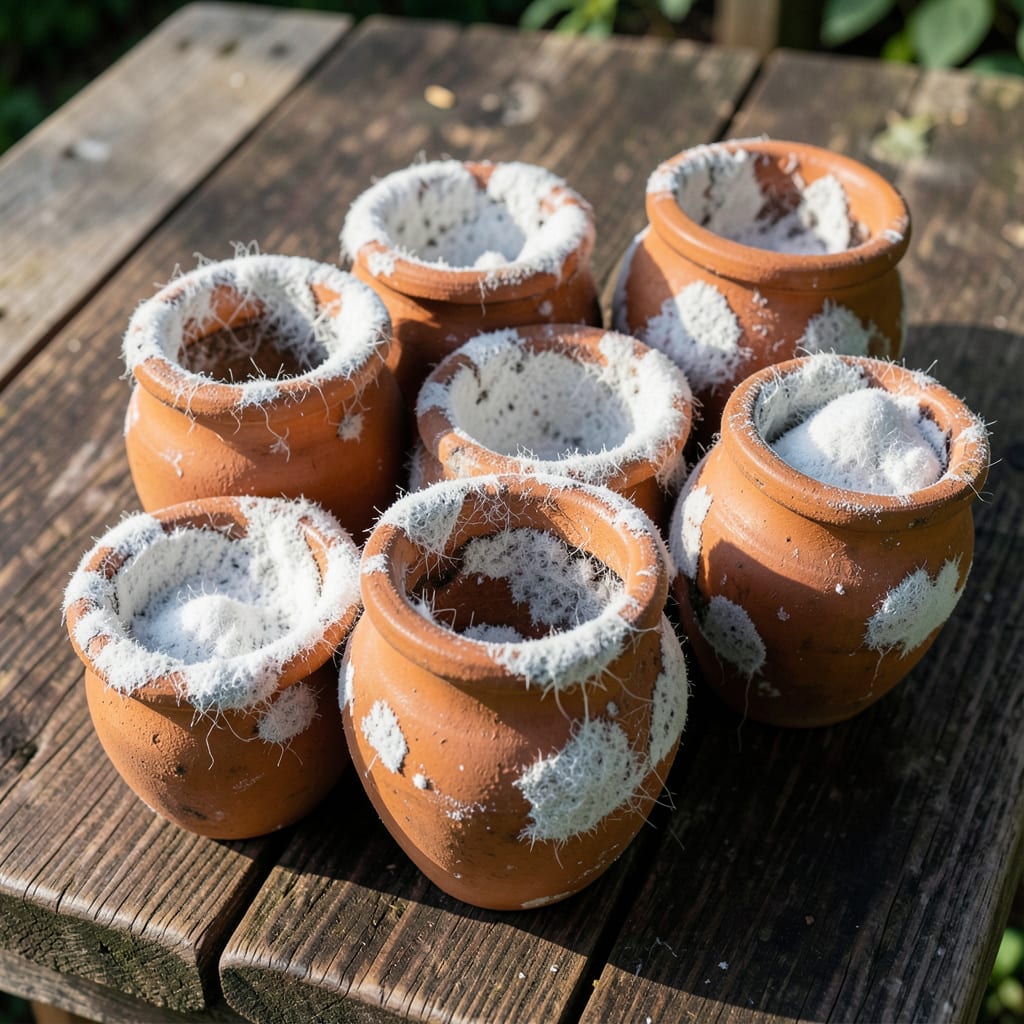
That fuzzy white stuff on your pots isn’t just ugly—it’s stealing nutrients from your plants. I’ve dealt with this in every growing season, and the solution is simpler than you’d think.
It thrives in damp, dark spaces where air doesn’t move. Your plastic containers are especially susceptible after sitting outside through rainy spells. The good news? It’s not harmful to plants, but it can spread quickly.
Scrubbing with a bleach solution works, but I prefer vinegar and water for a safer approach. Either way, dry pots completely in sunlight before reuse.
Prevention takes 30 seconds daily—just improve airflow and reduce moisture around your containers. Problem solved before it starts.
White mold on pots is a common issue caused by several environmental and care-related factors. Understanding these causes helps prevent its growth and protect your plants.
Excess moisture is the primary culprit. When pots lack proper drainage, water pools at the bottom, creating a damp environment perfect for mold spores to thrive. Overwatering compounds this issue, keeping the soil and container surfaces consistently wet. Solution: Use pots with drainage holes and water only when the top inch of soil is dry.
Dead leaves, fallen petals, or decaying plant matter in or around pots provide nutrients for mold. As these materials decompose, they release moisture and organic compounds that feed fungal growth. Solution: Regularly remove debris from the soil surface and clean the pot’s exterior.
Mold spores flourish in still, humid air. Potted plants in poorly ventilated areas (like greenhouses or crowded shelves) trap moisture, accelerating mold development. Solution: Improve airflow with a small fan or space plants apart to allow air circulation.
Reusing pots without cleaning can introduce mold spores or bacteria from previous plants. Even new pots may carry contaminants from manufacturing or storage. Solution: Sterilize pots with a bleach-water solution (1:10 ratio) or boiling water before use.
While mold can grow in any light, dimly lit areas slow moisture evaporation, keeping surfaces damp longer. This is especially true for pots in shaded corners or under dense canopies. Solution: Rotate pots to sunnier spots or use grow lights to reduce dampness.
White mold on your pots is unsightly but manageable with these targeted solutions. Address the root cause, and you’ll restore your plants—and pots—to health.
Stagnant air traps moisture, creating a perfect breeding ground for mold. Move your pots to a well-ventilated area, such as a balcony, open porch, or near a fan. If indoors, use a small oscillating fan to keep air moving. For clustered plants, space them out to allow airflow between pots.
Prevention tip: 💡 Always leave at least 6-12 inches of space between pots to encourage airflow.
Overwatering or poor drainage leads to damp soil, which fosters mold growth. Let the top inch of soil dry out before watering again. Ensure pots have drainage holes, and empty saucers under pots after watering to avoid standing water. Consider switching to terracotta pots, which are porous and allow soil to dry faster.
Prevention tip: 🎯 Use a moisture meter to monitor soil dampness and water only when necessary.
Fallen leaves, dead plant matter, and dust can accumulate on pots, providing nutrients for mold. Wipe down the exterior and rims of pots weekly with a damp cloth or soft brush. For stubborn mold, scrub with a mixture of 1 part white vinegar to 3 parts water or a mild dish soap solution. Rinse thoroughly and dry in the sun.
Prevention tip: ✨ Keep the area around your pots free of debris and clean up spilled soil promptly.
High humidity levels accelerate mold growth. Use a dehumidifier in indoor growing spaces or group moisture-loving plants together to create microclimates while keeping others in drier areas. If outdoors, ensure pots are in a spot with morning sun to help evaporate excess moisture.
Prevention tip: 🌡️ Aim for humidity levels between 40-60% for most houseplants to discourage mold.
No, white mold on pots won’t directly harm your plants. It feeds on organic matter, not living plant tissue. However, it can spread to the soil and compete for nutrients.
Yes, after scrubbing with a vinegar-water solution or bleach mix, rinse and dry pots in direct sunlight for 24 hours to kill remaining spores.
Recurring mold usually means excess moisture or poor airflow persists. Check for hidden water in saucers, improve ventilation, and reduce humidity around your plants.
A mild dish soap solution is effective for light mold. Use 1 teaspoon per 1 quart of warm water, scrub, then rinse thoroughly. For tough cases, vinegar or bleach works better.
