
Beautiful Plants For Your Interior
Beautiful Plants For Your Interior
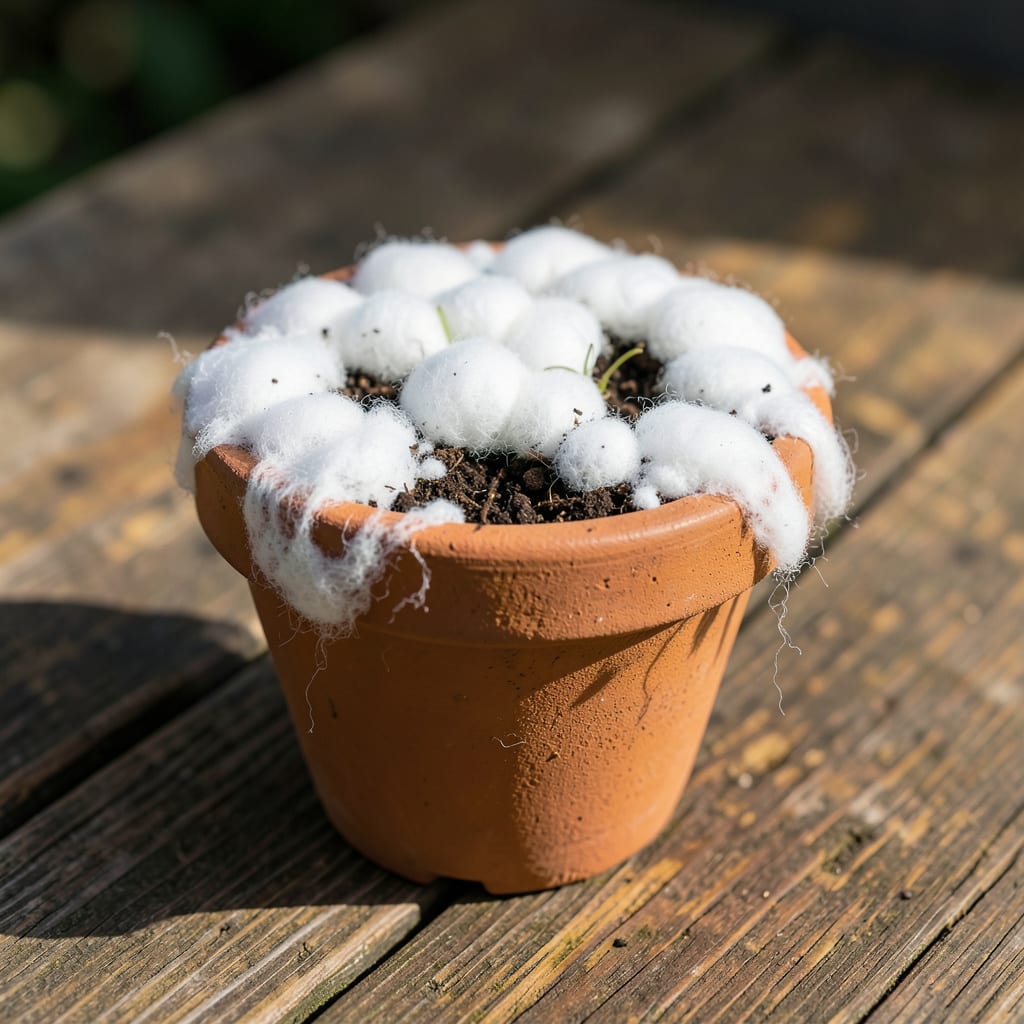
That white fuzz on your flower pot isn’t just ugly—it’s stealing nutrients from your plants. I first noticed it on my favorite fern last spring, and ignored it for two weeks before the leaves started yellowing.
Here’s the thing—this usually starts with overwatering or poor drainage. The mold thrives in damp, dark conditions, spreading across soil and even pot surfaces. My plants bounced back once I fixed the moisture issue and cleaned the pots properly.
You’ll see results within 3-5 days of treatment. The key is catching it early before it spreads to other containers. A simple vinegar solution or hydrogen peroxide often does the trick without harsh chemicals.
Works for indoor and outdoor pots, clay or plastic. Let’s get your green friends healthy again.
White mold on your flower pots is usually a sign of fungal growth, often spurred by specific environmental and care conditions. Here’s a breakdown of the most common causes:
Excess moisture is the primary culprit. When soil stays soggy due to overwatering or inadequate drainage, it creates an ideal breeding ground for fungi like Sclerotinia or Botrytis. These organisms thrive in damp, oxygen-poor environments, leading to the white, fuzzy growth you see on the soil surface or pot edges.
Decaying plant matter—such as fallen leaves, dead roots, or uncomposted mulch—provides nutrients for mold spores. If your pot contains unfinished compost or rotting material, fungi will colonize it quickly. Regularly removing debris and using sterile potting mix can prevent this.
Stagnant air and humidity levels above 60% encourage mold proliferation. Flower pots in poorly ventilated areas (like greenhouses or crowded shelves) or those grouped too closely together trap moisture, accelerating fungal growth. Improving airflow with a small fan or spacing plants apart can help.
Mold spores can hitch a ride on reused soil or unsterilized gardening tools. If you’ve repotted a plant using old soil without pasteurizing it, or if your trowel or pruners carry spores from a previous use, you might unknowingly introduce fungi to a new pot. Always disinfect tools and use fresh, high-quality potting mix.
Dealing with white mold on your flower pots is manageable with the right approach. Below are targeted solutions for common causes, along with prevention tips to keep your plants healthy.
Fix: Adjust your watering schedule to allow the soil to dry slightly between waterings. Ensure your pots have drainage holes, and use a well-draining potting mix. If the mold persists, repot the plant in fresh soil.
Prevention: Water only when the top inch of soil is dry, and avoid letting pots sit in saucers of water.
Fix: Improve air circulation by moving pots to a breezier spot or using a small fan. Reduce humidity by spacing plants apart and avoiding overcrowding.
Prevention: Regularly prune dense foliage to enhance airflow, and consider a dehumidifier in overly damp areas.
Fix: Remove dead leaves, fallen petals, or other organic matter from the soil surface and pot edges. Clean the pot with a mild vinegar solution (1 part vinegar to 3 parts water) to kill lingering spores.
Prevention: Keep the area around your plants tidy, and inspect pots weekly for debris or early mold signs.
Fix: Replace the soil with a sterile potting mix, and scrub the pot with soapy water or a bleach solution (1 part bleach to 9 parts water). Rinse thoroughly before reuse.
Prevention: Use pasteurized soil for new plantings, and clean pots between uses to prevent spore transfer.
💡 Pro Tip: A sprinkle of cinnamon on the soil can naturally inhibit mold growth—it’s safe, effective, and smells great!
Yes, it can compete for nutrients and potentially damage roots over time. While not immediately deadly, prolonged exposure may weaken plant health. Act quickly to prevent spreading to other pots.
after thorough cleaning. Scrub with a bleach solution (1:9 ratio), rinse well, and dry in sunlight. This kills lingering spores and prevents recurrence.
Recurring mold usually signals persistent moisture or poor airflow. Check drainage holes, reduce watering frequency, and increase ventilation. Consistency is key!
Yes! Cinnamon, vinegar solutions, or hydrogen peroxide work well for mild cases. They’re safe for plants and environmentally friendly. Avoid harsh chemicals unless absolutely necessary.
