
Beautiful Plants For Your Interior
Beautiful Plants For Your Interior
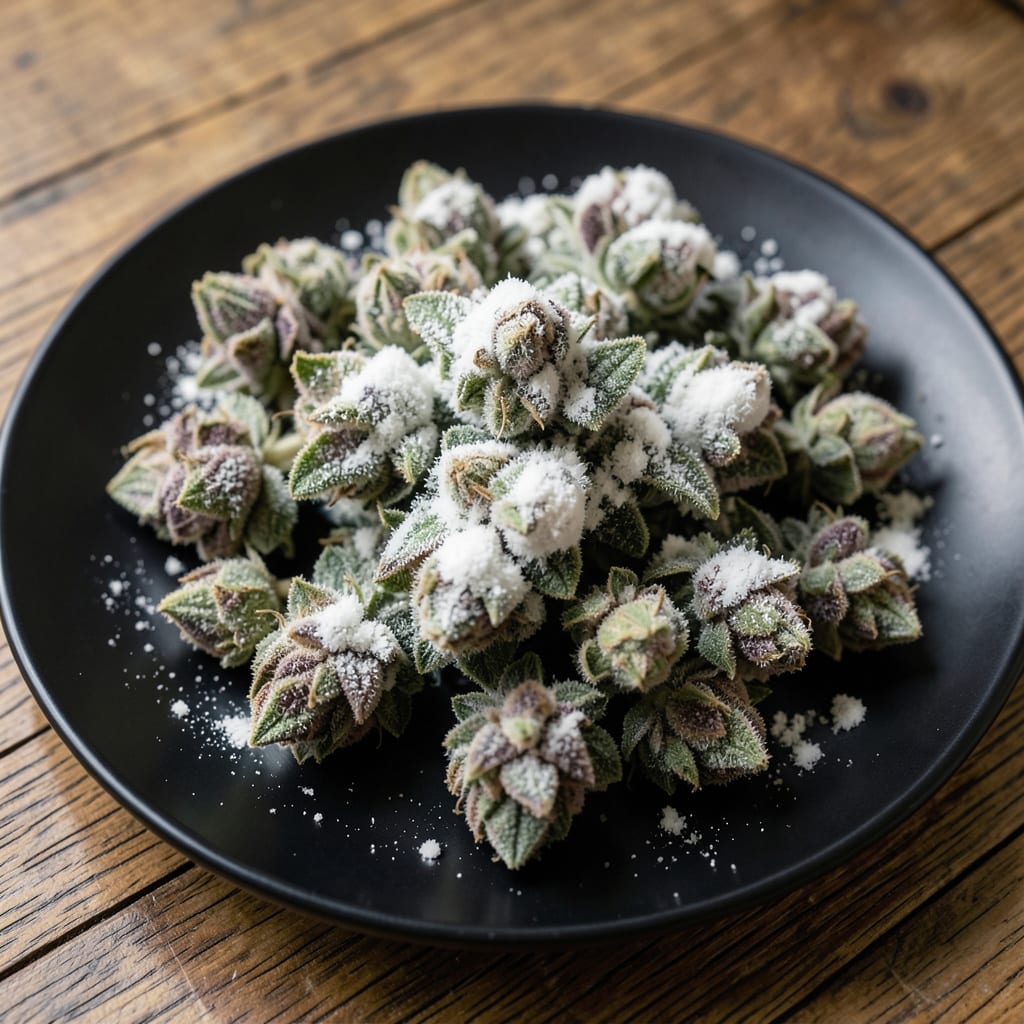
Spotted white fuzz on your cannabis leaves? That’s not frost. I’ve lost entire crops to this silent killer, and the worst part is it spreads before you even notice it’s there.
White mold thrives in damp, still conditions—exactly what happens when growers overcrowd plants or skip airflow. The good news? Catching it early means you can still save your harvest with simple organic fixes.
You’ll learn to spot the first signs: cotton-like growth, yellowing leaves, or stems that snap like dry twigs. The key is acting fast before it turns into a full-blown outbreak.
Works for indoor setups, greenhouses, or outdoor grows. No harsh chemicals required—just smart, natural solutions that protect your plants and your investment.
White mold on cannabis, often caused by Sclerotinia sclerotiorum or other fungal pathogens, thrives under specific environmental conditions. Understanding these causes helps growers prevent outbreaks and protect their crops. Below are the primary factors that contribute to its development.
Excess moisture is the most common trigger for white mold. Relative humidity above 70% creates an ideal breeding ground for fungal spores. Stagnant air exacerbates the problem by trapping moisture around the plant, especially in dense canopies. Actionable fix: Use dehumidifiers and oscillating fans to maintain humidity below 50-60% and ensure consistent airflow.
Dense foliage restricts airflow and light penetration, leading to microclimates where humidity and temperature spikes go unchecked. Unpruned lower branches, which receive less light, are particularly susceptible. Actionable fix: Implement defoliation and LST (Low-Stress Training) to improve canopy circulation and reduce shaded, damp areas.
Overwatering or inefficient drainage keeps the growing medium soggy, promoting fungal growth in the roots and lower stem. This can spread upward, infecting leaves and buds. Actionable fix: Water only when the top inch of soil is dry, and use well-draining substrates like perlite or coco coir.
Fungal spores can linger in reused soil, unsterilized tools, or even organic matter like compost. Sclerotinia spores, for instance, can survive in soil for years. Actionable fix: Sterilize tools with isopropyl alcohol and pasteurize soil before reuse. Consider soilless mixes for sensitive grows.
Rapid temperature shifts, especially cool nights following warm days, can create condensation on plant surfaces. This moisture, combined with organic matter, accelerates mold growth. Actionable fix: Stabilize temperatures between 70-85°F (21-29°C) and avoid drastic day-night swings.
By addressing these root causes, growers can significantly reduce the risk of white mold infestations and maintain healthier cannabis plants.
Dealing with white mold on your cannabis plants can be frustrating, but with the right approach, you can save your crop. Below are targeted solutions based on the most common causes, along with prevention tips to keep your plants healthy.
White mold thrives in damp, stagnant environments. To combat this:
💡 Prevention Tip: Monitor humidity daily with a hygrometer and aim for 40-50% during flowering.
Mold spreads quickly in cool, damp conditions. Keep your grow room at the right temperature:
💡 Prevention Tip: Invest in a smart thermostat to automate climate control.
Excess moisture in soil or on leaves encourages mold growth. Adjust your watering routine:
💡 Prevention Tip: Use a moisture meter to avoid guesswork.
Mold spores can spread via dirty tools or surfaces. Keep your grow area clean:
💡 Prevention Tip: Regularly clean your grow space with a 1:10 bleach-water solution.
No, never consume cannabis with any mold. Inhaling fungal spores can cause respiratory issues and other health problems. Always discard infected material immediately to prevent spread.
Yes, but only diluted. A 1:10 bleach-water solution works for cleaning tools and surfaces, but never apply it directly to plants. Rinse thoroughly after use to avoid chemical burn.
Mold spores can travel through air and water within 24-48 hours. Isolate infected plants immediately and increase airflow to protect your entire crop.
