
Beautiful Plants For Your Interior
Beautiful Plants For Your Interior
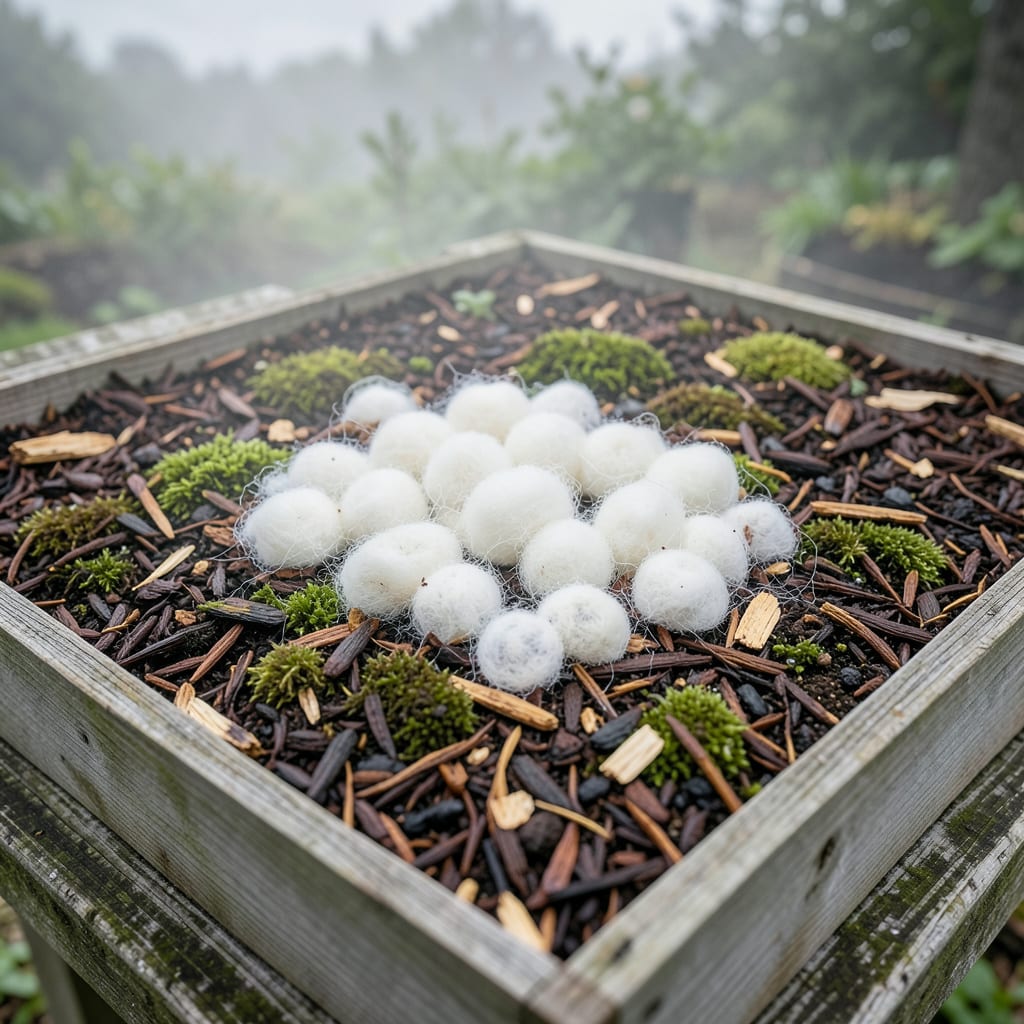
That white fuzz in your mulch isn’t just unsightly—it’s stealing nutrients from your plants. I spotted it first in my spring beds and nearly panicked until I learned how simple the fix can be.
Too much moisture and poor air circulation create the perfect breeding ground. The mold itself won’t kill your garden, but it signals conditions that could invite worse problems. Left unchecked, it spreads fast across mulch layers.
Here’s the thing— organic solutions work better than chemicals here. A quick raking, better airflow, and a natural fungicide can clear it within a week. The key is catching it early.
Your plants will thank you with healthier growth and fewer issues down the line. This is one garden problem that’s easier to prevent than treat.
White mold in mulch thrives under specific environmental conditions, often tied to moisture, organic material, and poor airflow. Below are the primary causes, explained with actionable insights to help you address the issue.
Mulch retains water, and when it stays damp for extended periods, it creates an ideal breeding ground for Sclerotinia and other fungi. Overwatering, poor drainage, or heavy rainfall can saturate mulch, reducing oxygen levels and promoting mold growth. To prevent this, ensure your mulch layer is no thicker than 2–3 inches and improve drainage in the area.
Fresh, undecomposed organic mulches like wood chips or straw are rich in cellulose, which fungi break down as part of their life cycle. If the mulch hasn’t fully decomposed, it provides a food source for mold. Using aged or composted mulch can reduce this risk, as it’s less likely to harbor active fungal spores.
Compacted mulch or thick layers prevent airflow, trapping moisture and heat. This stagnant environment accelerates fungal growth. Regularly fluff your mulch with a rake to improve ventilation, and avoid piling it against plant stems or tree trunks where air movement is restricted.
White mold prospers in temperatures between 60–75°F (15–24°C) with high humidity. These conditions are common in spring and fall, especially in shaded areas. While you can’t control the weather, you can mitigate its effects by thinning mulch layers in humid seasons and choosing mulch types that dry faster, like cedar or pine bark.
White mold in mulch can be unsightly, but it’s usually harmless and manageable. Here’s how to tackle it based on the root cause, along with tips to keep it from coming back.
If the mold is due to compacted mulch trapping moisture, use a rake or pitchfork to gently turn and aerate the layer. This breaks up the mold and allows air to circulate, speeding up drying. For severe cases, remove the top infected layer and replace it with fresh, dry mulch. Prevention tip: Avoid piling mulch too thickly—stick to a 2-3 inch layer to allow proper airflow. 💡
White mold thrives in damp conditions. If your mulch stays soggy, check your irrigation—reduce watering frequency or adjust sprinklers to avoid oversaturating the area. For poorly draining soil, mix in coarse materials like gravel or sand beneath the mulch. Prevention tip: Water early in the day so mulch dries faster in the sun. ☀️
Mold often feeds on decaying leaves or wood chips. Rake out old, decomposed mulch and replace it with a fresh batch. If you’re using wood chips, opt for aged or composted mulch, which is less prone to mold. Prevention tip: Regularly clear fallen leaves and plant debris from the mulch surface. ✨
Shady, damp spots are mold magnets. Thin the mulch layer in heavily shaded areas or switch to inorganic mulch (like gravel) where sunlight is limited. If possible, prune nearby plants to allow more light and air movement. Prevention tip: Use cedar or pine bark mulch in shaded areas—they resist mold better than hardwood. 🎯
Bonus: For stubborn mold, a light dusting of baking soda (1 tbsp per gallon of water) can help neutralize it—just don’t overdo it, as it may alter soil pH. Always test a small area first!
Generally no, but it can compete for nutrients and signal poor conditions. The mold itself won’t kill plants, but its presence means your mulch is too moist and compacted. Address it quickly to prevent worse issues.
Keep mulch layers at 2-3 inches and turn it regularly with a rake. Water in the morning so it dries faster, and remove old leaves or debris that trap moisture.
Rake the top layer to break up the mold and improve airflow. For stubborn spots, remove and replace the affected mulch. A light baking soda spray can help neutralize it safely.
