
Beautiful Plants For Your Interior
Beautiful Plants For Your Interior
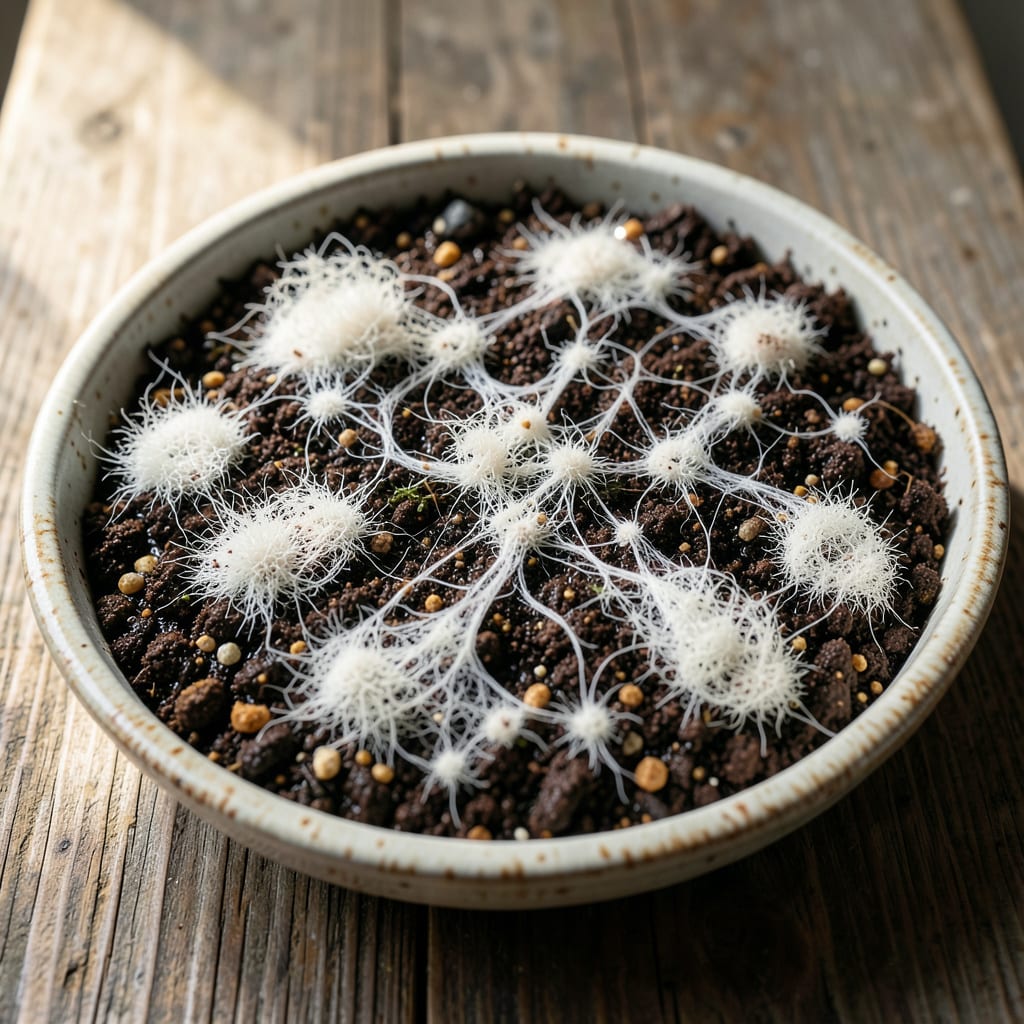
That fluffy white stuff in your soil isn’t snow—it’s trouble. 🌱 I first spotted it in my seedling trays and panicked, but here’s what I learned: white mold thrives in damp, poorly aerated conditions where organic matter sits too long.
The good news? This is fixable and preventable. Most cases start with overwatering or poor drainage, creating the perfect breeding ground. I’ve saved countless plants by adjusting my watering routine and improving airflow around the soil.
Within a week of treatment, you’ll see the mold receding and your plants perking up. The key is acting fast—once it spreads, it can choke out young roots and stunt growth for the whole season.
Works for potted plants, garden beds, and seed-starting setups alike. Let’s get your soil healthy again.
White mold in soil thrives under specific conditions, often signaling an imbalance in your growing environment. Below are the most common causes, explained with actionable insights.
Overwatering or poor drainage creates a damp habitat where fungal spores, like Sclerotinia or Mucor, multiply rapidly. Saturated soil limits oxygen flow, stressing plant roots and inviting fungal growth. Fix it: Ensure pots have drainage holes and water only when the top inch of soil is dry.
Decaying leaves, wood chips, or uncomposted matter feed saprophytic fungi, which appear as white, thread-like growths. These fungi break down organic material but can overwhelm healthy soil. Fix it: Remove visible debris and turn the soil regularly to speed up decomposition.
Temperatures between 50–70°F (10–21°C) with high humidity (above 80%) are ideal for white mold spores to germinate. Greenhouses and shaded outdoor areas are hotspots. Fix it: Improve airflow with fans or space plants farther apart to reduce humidity pockets.
Sterile or nutrient-poor soil lacks beneficial microbes that compete with harmful fungi. Overuse of chemical fertilizers can also disrupt the natural balance. Fix it: Amend soil with compost or mycorrhizal inoculants to boost microbial diversity.
Dense plantings restrict airflow and trap moisture at soil level, creating a microclimate perfect for mold. Fix it: Thin seedlings early and prune lower leaves to enhance ventilation.
White mold in soil can be stubborn, but these targeted solutions will help you reclaim healthy dirt. Address the root causes with these step-by-step fixes and prevent future outbreaks.
Soggy soil is a breeding ground for white mold. Start by reducing watering frequency—let the top 1-2 inches of soil dry out between waterings. For potted plants, ensure containers have drainage holes and use a well-draining potting mix with perlite or sand. In garden beds, amend heavy clay soil with compost or coarse sand to boost aeration.
Decaying plant matter fuels mold growth. Remove fallen leaves, mulch, or dead plants from the soil surface immediately. If the mold is in a houseplant, repot the plant in fresh, sterile soil, discarding the old mix. For garden beds, turn the soil to expose and dry out hidden debris.
Stagnant air traps moisture, encouraging mold. Space plants farther apart to allow airflow between them. Indoors, use a small fan to circulate air around houseplants. Outdoors, prune dense foliage to let light and air reach the soil. For greenhouses, ventilate regularly to reduce humidity.
Yes, it can damage roots and stunt growth if left unchecked. The mold competes with plants for nutrients and can spread to stems. Act quickly to remove it and adjust care conditions.
Only after treatment. Sterilize soil by baking at 200°F for 30 minutes or solarizing in sunlight for 4-6 weeks. Mix in fresh compost to restore beneficial microbes.
Recurring mold usually means persistent moisture or poor airflow. Check for hidden debris, improve drainage, and increase ventilation. Consistent prevention is more effective than repeated treatments.
