
Beautiful Plants For Your Interior
Beautiful Plants For Your Interior
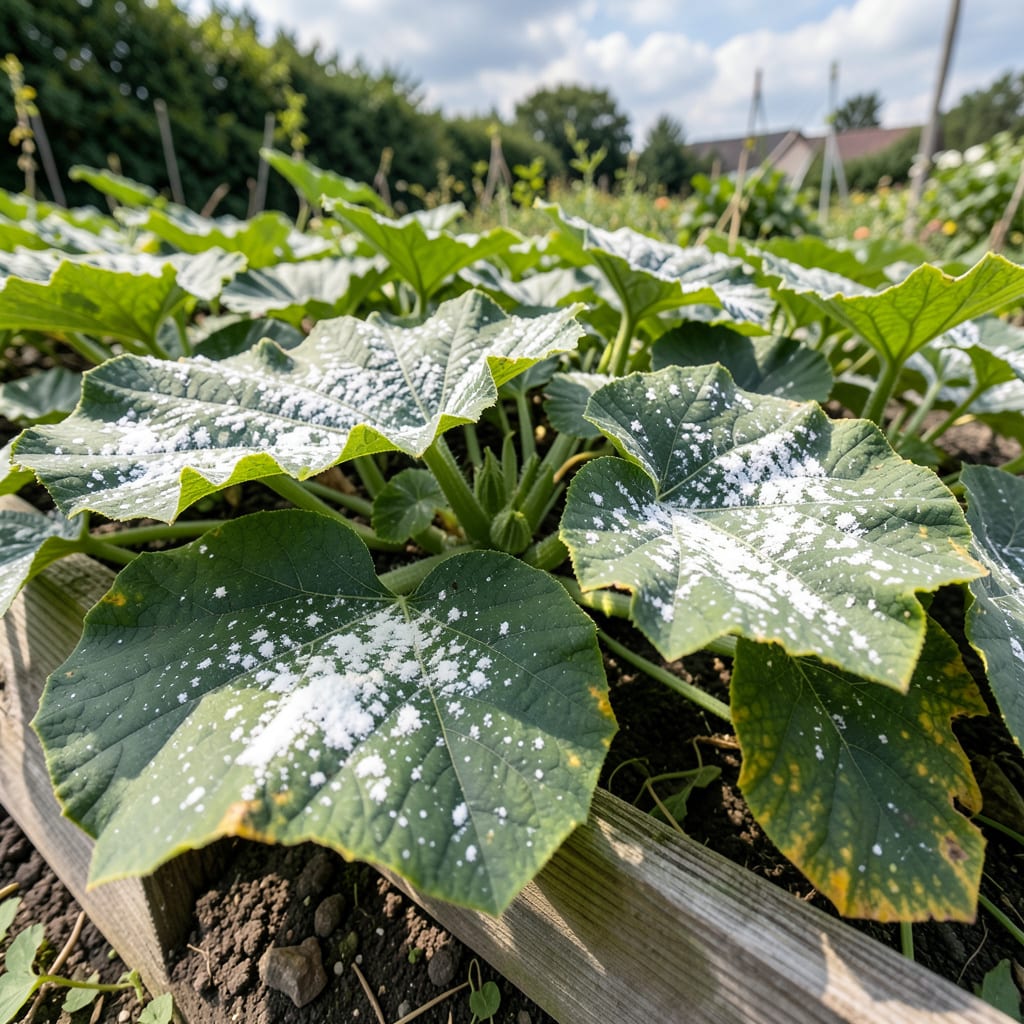
White powder on your zucchini leaves means trouble. I first noticed it on my plants last July, and within days, production dropped by 50%. This fungal issue spreads fast in humid weather.
The good news is it’s treatable and preventable without harsh chemicals. A simple baking soda spray or neem oil application can stop it in its tracks. I’ve saved multiple crops with just these two methods.
You’ll see new growth returning to healthy green within a week of treatment. The key is catching it early and improving air circulation around your plants.
Works for all squash varieties, not just zucchini. Here’s how to handle it properly.
White mildew on zucchini leaves is primarily triggered by environmental and fungal factors. Below are the most common causes, explained in detail:
Fungal spores thrive in damp, stagnant conditions. When relative humidity exceeds 80%, moisture lingers on leaf surfaces, creating an ideal breeding ground for Erysiphe cichoracearum or Podosphaera xanthii—the fungi responsible for powdery mildew. Crowded plantings or dense foliage restrict airflow, exacerbating the problem.
Overhead watering or prolonged leaf wetness (from rain, dew, or irrigation) provides the moisture fungi need to germinate. Unlike downy mildew, powdery mildew doesn’t require free water to spread, but wet leaves accelerate spore production. Zucchini plants in poorly drained soil are especially vulnerable.
Warm days (70–85°F / 21–29°C) followed by cool, humid nights stress plants and encourage fungal growth. These temperature swings weaken zucchini’s natural defenses, making leaves more susceptible to infection.
Over-fertilization with nitrogen promotes lush, tender foliage that’s more prone to mildew. Conversely, potassium or phosphorus deficiencies weaken plant cell walls, reducing resistance. A soil test can reveal imbalances before they manifest as disease.
Some zucchini cultivars lack genetic resistance to powdery mildew. Heirloom or older varieties, while flavorful, often succumb faster than modern hybrid types bred for disease tolerance.
White mildew on your zucchini leaves can be frustrating, but these targeted fixes will help restore your plants to health. Address the issue as soon as you spot the first signs for the best results.
Thick foliage traps moisture, creating a perfect environment for mildew. Trim overcrowded leaves with clean shears, focusing on the center of the plant to improve airflow. Space plants at least 2-3 feet apart to reduce humidity buildup. Water at the base (not overhead) to keep leaves dry.
Wet leaves are a mildew magnet. Switch to drip irrigation or a soaker hose to deliver water directly to the soil. If hand-watering, do it early in the morning so leaves dry quickly in the sun. Avoid evening watering, as cool, damp nights encourage fungal growth.
For active infections, use neem oil or a baking soda spray (1 tsp baking soda + 1 quart water + a few drops of dish soap). Spray every 7-10 days until the mildew clears, covering both sides of the leaves. Remove heavily infected leaves and dispose of them in the trash (not compost) to prevent spread.
No, powdery mildew appears as white powdery spots on top of leaves. Downy mildew shows yellow patches with fuzzy growth underneath.
Yes, the fruit remains safe to eat. Just wash it thoroughly before use. Remove severely infected leaves to protect future harvests.
Yes, powdery mildew can infect cucumbers, melons and other squash. Isolate affected plants and avoid overhead watering to contain it.
