
Beautiful Plants For Your Interior
Beautiful Plants For Your Interior
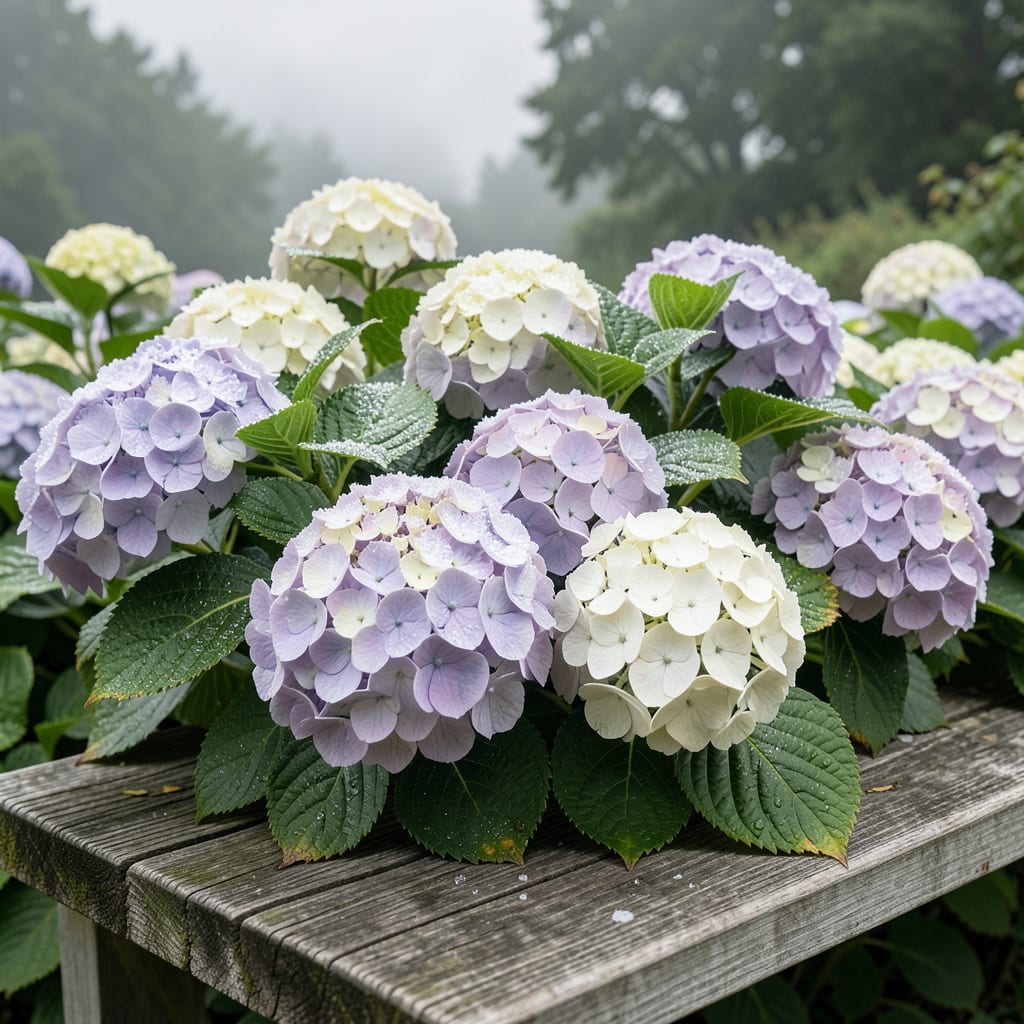
That white powder on your hydrangea leaves isn’t dust—it’s trouble. I’ve watched this fungal party crash my garden before, and it spreads faster than you’d expect in humid weather.
Here’s the thing—it loves crowded plants, poor air flow, and overhead watering. Fix those three things and you’ve already won half the battle. My hydrangeas bounced back within 2 weeks of adjusting their environment.
Natural solutions like baking soda spray or neem oil work surprisingly well. I’ve tested both, and they stop the spread without harsh chemicals that can harm beneficial insects.
Prevention is simpler than treatment. Space plants properly, water at the base, and keep an eye out early. Catch it fast and your blooms stay vibrant all season.
White mildew on hydrangeas typically stems from environmental conditions and cultural practices that favor fungal growth. Understanding the root causes helps you address the issue effectively.
Powdery mildew (the most common white mildew on hydrangeas) thrives in high humidity (60-80%) combined with stagnant air. When leaves stay damp for extended periods—especially in crowded plantings or shaded areas—spores germinate and spread. Ensure proper spacing (3-5 feet between plants) and prune for airflow to reduce moisture retention.
Cool nights (50-60°F) followed by warm days (70-80°F) create ideal conditions for mildew. The fungus Podosphaera or Erysiphe species (common hydrangea pathogens) activate in these temperature swings. Evening watering can worsen this—water early in the day so foliage dries before dusk.
Wetting the leaves during watering directly promotes fungal growth. Use drip irrigation or soaker hoses to deliver water to the roots, keeping foliage dry. If overhead watering is unavoidable, do it before 10 AM to allow sunlight to evaporate moisture.
Excess nitrogen (especially from synthetic fertilizers) encourages lush, tender growth that’s more susceptible to mildew. Switch to a balanced, slow-release fertilizer (e.g., 10-10-10) and avoid late-season feeding, which can spur vulnerable new shoots.
White mildew on hydrangeas can be frustrating, but these practical solutions will help you restore your plants to health. Here’s how to tackle each cause with simple, effective fixes.
Prune overcrowded branches to allow air to flow freely between leaves. Space hydrangeas at least 3–4 feet apart when planting. Prevention tip: Trim nearby shrubs or structures that block airflow to keep humidity in check.
Water hydrangeas at the base (not overhead) early in the day so foliage dries quickly. Use a drip irrigation system or soaker hose for even moisture. Prevention tip: Check soil moisture before watering—only hydrate when the top inch is dry.
Mix 1 tablespoon baking soda + 1 teaspoon mild soap + 1 gallon water and spray affected leaves weekly. Neem oil (diluted per label) also works as a fungicide. Prevention tip: Remove fallen leaves around the plant to eliminate spore hiding spots.
Mulch with gravel or straw (not organic mulch) to limit moisture retention. Avoid planting hydrangeas in shaded, damp corners. Prevention tip: Water in the morning so evening coolness doesn’t trap dampness on leaves.
💡 Pro tip: Regularly inspect leaves for early signs of white mildew—catching it early makes treatment easier!
It won’t kill the plant immediately but weakens it over time by blocking sunlight. Severe cases can reduce flowering and cause leaf drop. Treat early to keep blooms vibrant.
Yes, but start with natural options like neem oil first. If needed, apply sulfur-based fungicides at 7-10 day intervals. Always follow label instructions carefully.
Absolutely—remove heavily infected leaves and destroy them (don’t compost). This prevents spores from spreading to healthy foliage. Prune in dry weather for best results.
Space plants 3-5 feet apart, water at the base, and clean up fallen leaves in autumn. These simple steps break the fungal life cycle.
