
Beautiful Plants For Your Interior
Beautiful Plants For Your Interior
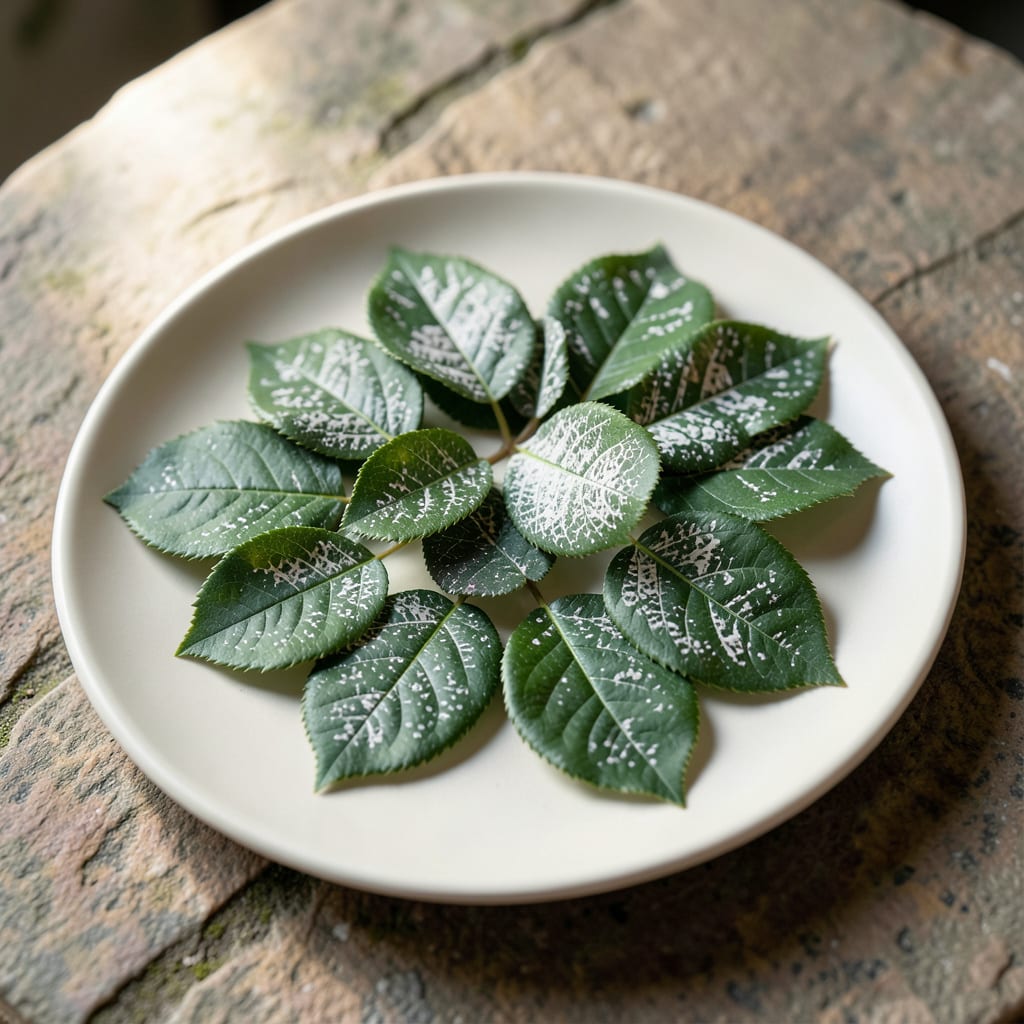
Those white spots on your rose leaves aren’t just unsightly—they’re a warning sign. I’ve seen powdery mildew, spider mites, and even sun scorch create similar patterns, but each needs a different fix.
The good news? Most causes respond well to organic treatments if you catch them early. Neem oil, baking soda sprays, or simply improving air circulation can turn things around before the problem spreads.
Left untreated, white marks can weaken your roses, stunt growth, and ruin blooms. Early action means healthier plants and more flowers by midsummer.
Works for all rose varieties, from climbers to shrubs. Let’s identify the culprit and stop it in its tracks.
White marks on your rose leaves are often a sign of underlying issues, ranging from fungal infections to environmental stressors. Here’s a breakdown of the most common causes:
Powdery mildew (Podosphaera pannosa) is a frequent culprit. This fungus thrives in high humidity and poor air circulation, forming a white, powdery coating on leaves. It spreads rapidly in shaded, damp conditions, weakening the plant over time.
Mealybugs and spider mites leave behind white, cottony residues or stippling as they feed on plant sap. These pests often cluster on leaf undersides, causing discoloration and stress. Their sticky secretions (honeydew) can also promote sooty mold growth.
Overhead watering or splashing water can leave mineral deposits (e.g., calcium or magnesium) on leaves, appearing as white spots. Hard water or foliar sprays with high salt content may also cause similar markings.
Improper use of pesticides, fungicides, or fertilizers can scorch leaves, leaving white or bleached patches. Always dilute chemicals as directed and apply during cooler parts of the day to avoid phytotoxicity.
Early identification of the cause is key to choosing the right organic remedy!
Dealing with white marks on your rose leaves can be frustrating, but don’t worry—there are effective and organic ways to tackle the issue. Below are tailored solutions for common causes, along with prevention tips to keep your roses thriving.
Mix 1 tablespoon of baking soda and 1 teaspoon of dish soap in a gallon of water. Spray this solution on affected leaves every 5-7 days until the issue clears. For prevention, ensure good air circulation around plants and avoid overhead watering. 💡 Pro tip: Plant roses in sunny spots to reduce humidity buildup.
Wipe leaves with a cotton swab dipped in rubbing alcohol (70%) to remove pests. For larger infestations, spray with neem oil (mix 1 tablespoon per gallon of water) every 3-4 days. Prevent future outbreaks by regularly inspecting the undersides of leaves and keeping the garden free of debris.
Remove and destroy infected leaves to stop the spread. Apply a copper-based fungicide or a homemade spray of 1 part milk to 9 parts water weekly. To prevent recurrence, water roses at the base in the morning and space plants properly for airflow.
If white marks are due to sun scorch or hard water, move potted roses to a shadier spot or adjust your watering schedule to early morning. Use filtered or rainwater to avoid mineral deposits. ✨ Prevention tip: Mulch around the base to retain moisture and reduce stress.
With these targeted fixes and a little consistency, your roses will be back to their vibrant, mark-free selves in no time!
Yes, fungal issues like powdery mildew can spread quickly through airborne spores. Isolate affected roses and treat immediately to prevent contagion.
Check leaves weekly during growing season, focusing on undersides where pests hide. Early detection means simpler fixes.
Yes, remove heavily affected leaves immediately. This improves airflow and stops disease spread. Always sterilize pruners between cuts.
Mineral deposits are mostly cosmetic. Switch to rainwater or filtered water to prevent new spots. Existing marks won’t harm plant health.
