
Beautiful Plants For Your Interior
Beautiful Plants For Your Interior
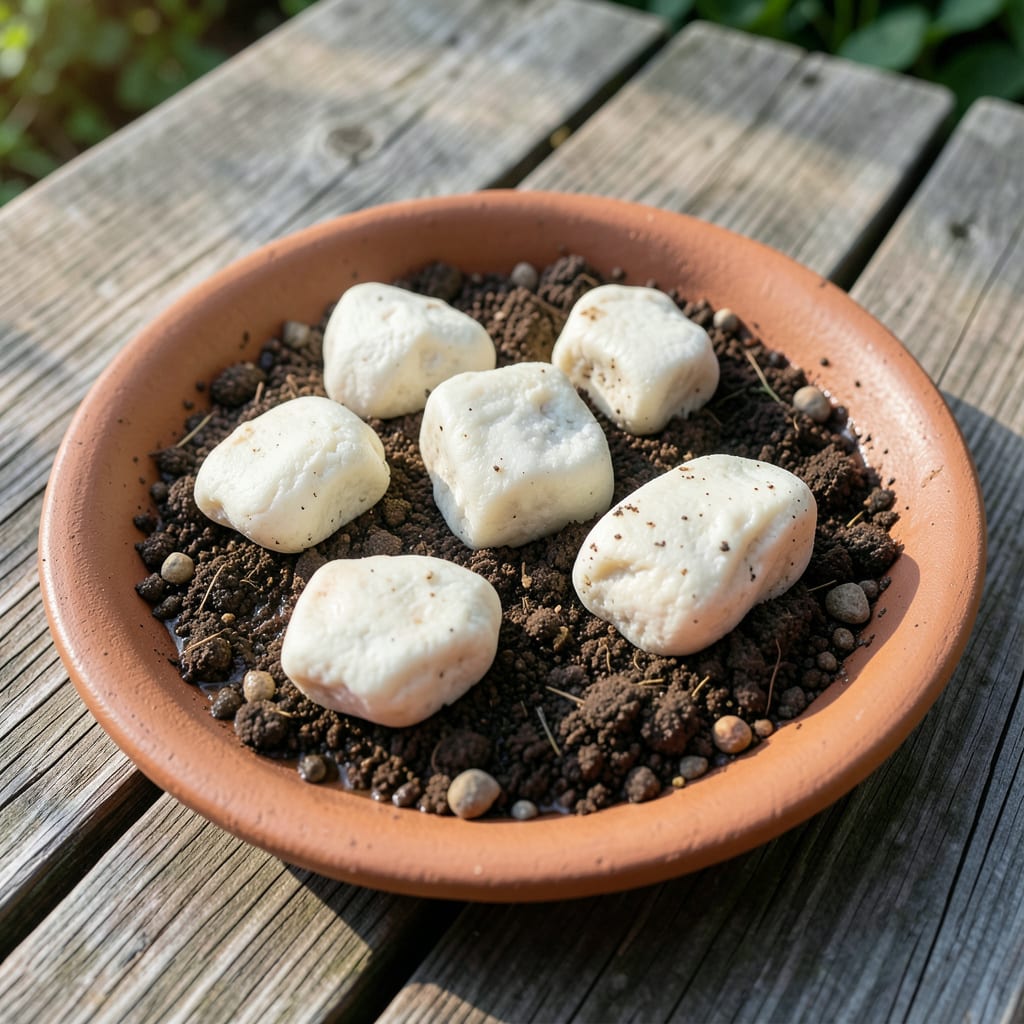
Spotted white lumps in your soil and wondering what’s going on? I’ve seen my fair share of these mysterious formations, and they’re not always cause for alarm.
Sometimes it’s just mineral deposits or fungal growth, but other times it signals a pest problem. The good news is most cases are fixable with simple organic methods.
You’ll learn to identify the cause quickly and take action before it affects your plants. A 5-minute inspection often reveals everything you need to know.
Works for garden beds, containers, and houseplants alike. Let’s figure this out together.
White lumps in your soil can stem from several natural and chemical processes. Here’s a breakdown of the most common causes:
Beneficial fungi like mycorrhizae form symbiotic relationships with plant roots, often appearing as white, thread-like or lumpy structures. These fungi help plants absorb nutrients but can sometimes cluster into visible white masses. Alternatively, sclerotia—hardened fungal resting bodies—may appear as dense, white or tan lumps, often from pathogens like Sclerotinia or Rhizoctonia.
Hard water or excessive fertilizer use can leave behind calcium carbonate or salt deposits, which manifest as chalky white lumps. These are especially common in arid climates or poorly draining soils where evaporation concentrates minerals at the surface.
Soil-dwelling bacteria like Actinomycetes can form white, powdery, or lumpy colonies. These microorganisms decompose organic matter and sometimes produce visible clusters, particularly in rich, undisturbed soil.
Decaying roots or fungal hyphae (the thread-like structures of fungi) can clump together, creating white or off-white masses. This is common in compost-heavy soils or after a plant’s roots have decomposed.
Undissolved lime (calcium hydroxide) or slow-release fertilizers may appear as white pellets or lumps. These are harmless but can persist if not properly worked into the soil or dissolved by moisture.
Once you’ve identified the cause of white lumps in your soil, here’s how to tackle each issue effectively—and keep it from coming back.
If the lumps are fungal (like mycorrhizae or sclerotia), improve drainage first. Mix in coarse sand or perlite to loosen compacted soil. For stubborn cases, apply a fungal-specific organic treatment like neem cake or compost tea. Prevention tip: 💡 Avoid overwatering and rotate crops to disrupt fungal life cycles.
Hard water or fertilizer buildup creates chalky white clumps. Flush the soil with distilled water to dissolve excess salts. For lime deposits, gently break them up and mix in peat moss or sulfur to acidify the soil slightly. Prevention tip: ✨ Use rainwater for irrigation and test soil pH annually.
If the lumps are just leftover growing medium, rake the topsoil to distribute them evenly or sift them out if they’re excessive. Prevention tip: 🎯 Measure amendments carefully when potting mixes to avoid overconcentration.
For grubs or insect eggs, remove visible lumps by hand and introduce beneficial nematodes or diatomaceous earth. Prevention tip: 🌡️ Solarize soil before planting to kill dormant pests.
Pro tip: Always wear gloves when handling soil to avoid skin irritation from fungi or chemicals. Regularly aerate your soil to discourage compaction and buildup!
Most white lumps are harmless, like fungal mycorrhizae or mineral deposits. However, pathogen sclerotia or pest eggs can damage roots over time.
Fungal lumps often look stringy or spongy, while mineral deposits are hard and chalky. Break one open to check texture.
Repotting helps if the issue is poor soil mix. For fungal or pest problems, treat the soil first before transferring.
Improve drainage, avoid overwatering, and use balanced fertilizers. Regular soil testing catches issues early.
