
Beautiful Plants For Your Interior
Beautiful Plants For Your Interior
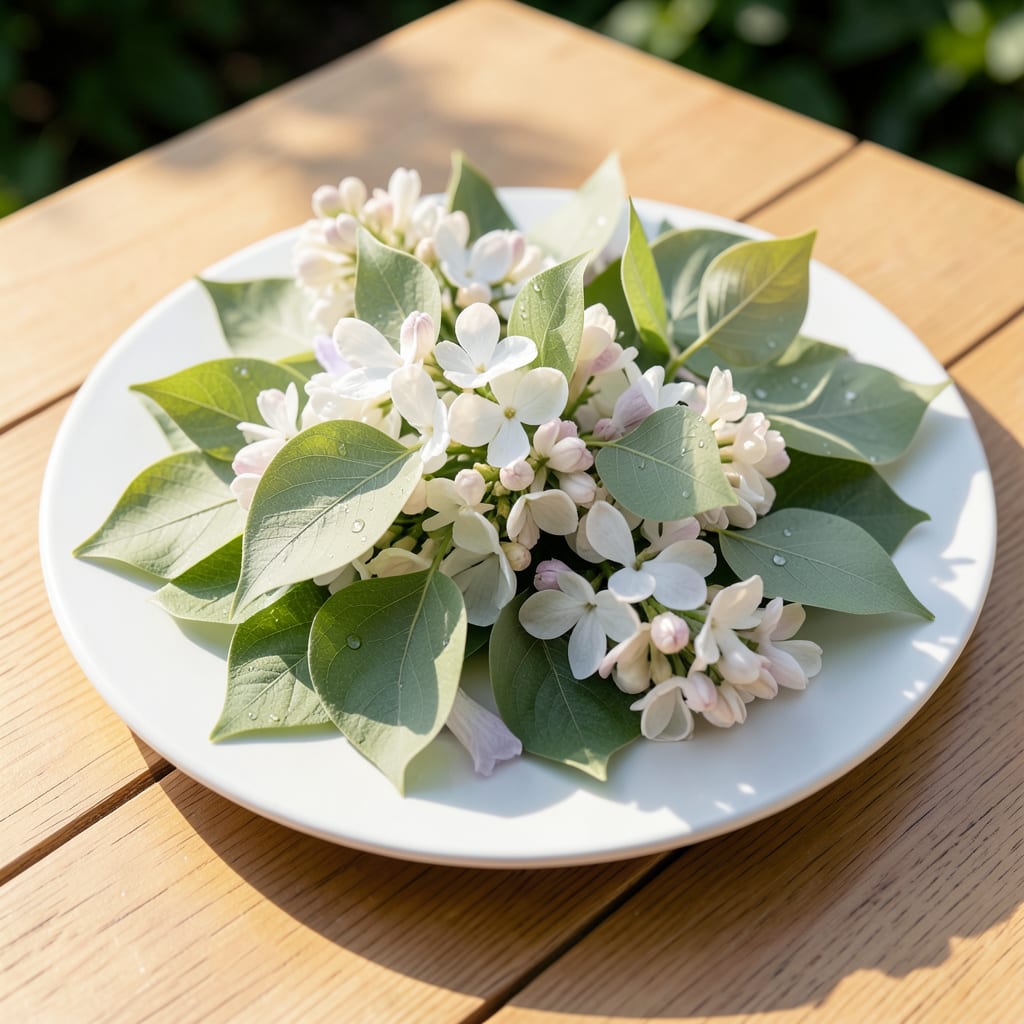
White leaves on your lilac tree aren’t normal, and they’re usually a cry for help. I’ve seen this happen in my own garden, and the causes range from fungal infections to nutrient deficiencies or sneaky pests.
Most often, it’s powdery mildew leaving that ghostly coating, but iron chlorosis can turn leaves pale too. Sometimes, aphids or scale insects leave behind white residue as they feed.
Each issue has a different fix—pruning for airflow, soil amendments, or targeted sprays. The key is correct diagnosis before treatment begins.
With the right approach, your lilac’s leaves will return to their vibrant green in no time. Let’s figure out exactly what’s going on.
White leaves on a lilac tree often signal an underlying issue. Here are the most common causes, explained scientifically:
A lack of chlorophyll—the green pigment essential for photosynthesis—can turn leaves white. This often happens due to iron, magnesium, or nitrogen deficiencies. Iron deficiency, in particular, disrupts chlorophyll production, leading to interveinal chlorosis (white or yellow leaves with green veins). Test soil pH; lilacs prefer slightly alkaline soil (pH 6.5–7.5). Amend with lime or iron chelates if needed.
Powdery mildew (Erysiphe syringae) and verticillium wilt can cause white or pale discoloration. Powdery mildew coats leaves in a white, powdery film, while verticillium disrupts water flow, leading to bleached foliage. Improve airflow, avoid overhead watering, and apply neem oil or fungicides preventatively.
Extreme conditions like heat scorch or cold damage can bleach leaves. Lilacs thrive in USDA zones 3–7; outside this range, temperature swings may shock the plant. Provide shade during heatwaves and mulch to insulate roots in winter.
Spider mites and lilac leaf miners sap nutrients, causing stippling or white patches. Check leaf undersides for webbing or larvae. Use insecticidal soap or introduce beneficial predators like ladybugs.
White leaves on your lilac tree usually signal a fixable issue. Below are practical solutions mapped to common causes, plus prevention tips to keep your tree thriving.
If the white coating looks like powder, it’s likely powdery mildew. Prune crowded branches to boost airflow, and remove infected leaves to stop the spread. Spray with a baking soda solution (1 tbsp baking soda + 1 tsp dish soap + 1 gallon water) or a neem oil treatment every 7–10 days. Prevention tip: Water at the base in the morning to keep foliage dry.
White residue from pests like mealybugs or scale? Wipe leaves with a soapy water cloth (1 tsp mild soap + 1 quart water) or spray with insecticidal soap. For severe cases, introduce beneficial insects like ladybugs. Prevention tip: Inspect leaves weekly and keep the area free of debris where pests hide.
White spots or fuzzy growth may indicate a fungal issue. Apply a copper-based fungicide and remove affected leaves immediately. Sterilize pruning tools with rubbing alcohol between cuts. Prevention tip: Avoid overhead watering and space plants to reduce humidity.
If leaves are white and swollen, edema (from excess moisture) might be the culprit. Reduce watering and ensure the soil drains well. Mulch around the base to regulate moisture. Prevention tip: Let the top 1–2 inches of soil dry out between waterings.
💡 Pro Tip: Regularly clean up fallen leaves and debris to minimize disease and pest risks. Healthy lilacs start with good hygiene!
Yes, iron or magnesium deficiency often creates white or yellow patches between leaf veins. Test your soil pH and amend with lime or iron chelates if needed.
Improve airflow by pruning crowded branches and avoid overhead watering. Apply neem oil every 7–10 days as a preventative measure.
Mealybugs and scale insects often leave white, cottony deposits. Wipe leaves with soapy water or use insecticidal soap for control.
Not always. Some lilacs have variegated leaves with natural white patterns. Compare to healthy growth to confirm it’s not a disease.
