
Beautiful Plants For Your Interior
Beautiful Plants For Your Interior
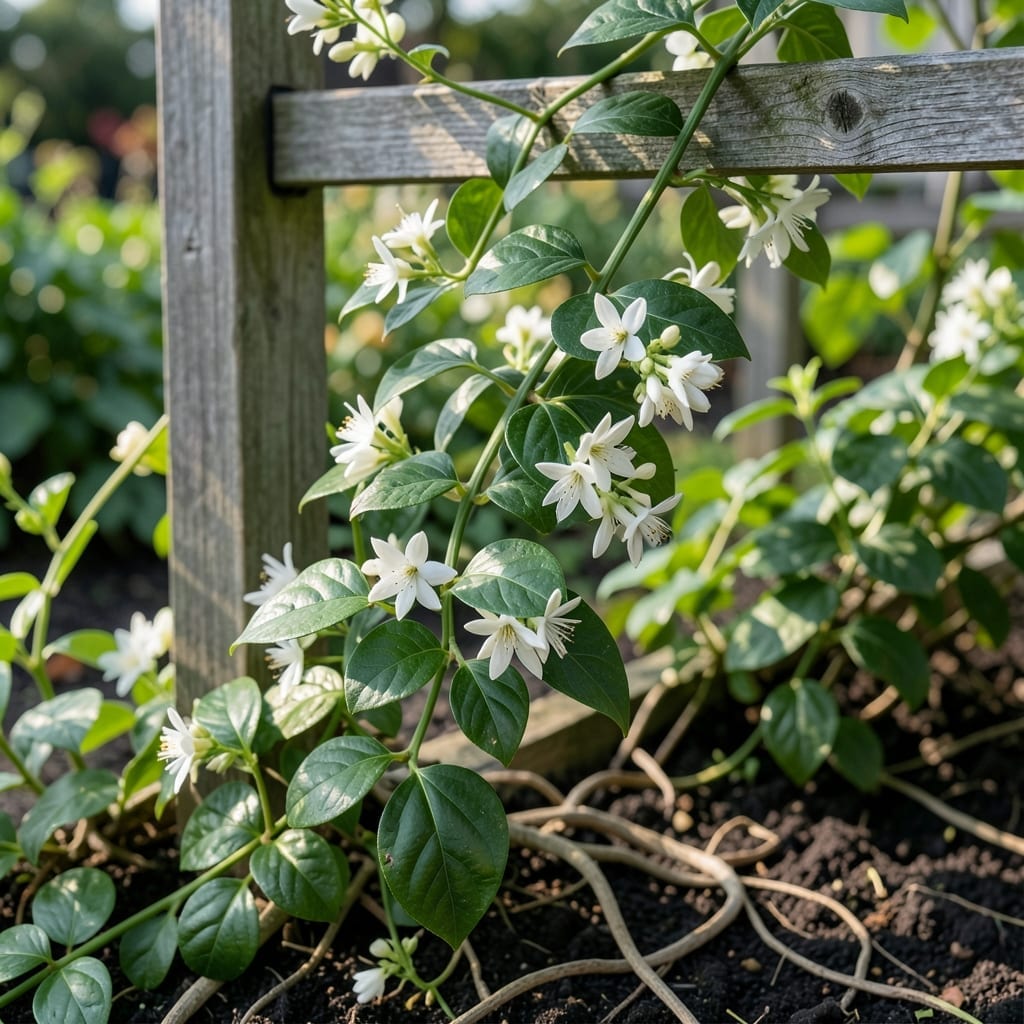
I fell for white jasmine the first time I saw it climbing a neighbor’s fence. Those fragrant white blooms and glossy green leaves turn any boring wall into a living work of art.
It’s easier to grow than you’d think—just give it a sturdy trellis, well-draining soil, and regular water. Within a season, you’ll have a vertical garden that stops people in their tracks.
📚 In This Guide
This method delivers vibrant, fragrant vines that thrive with minimal fuss.
Select a spot with full sun to partial shade—white jasmine tolerates both but blooms most profusely in 6+ hours of direct sunlight. I’ve found morning sun with afternoon shade works beautifully in hotter climates. Ensure the location has well-draining soil; soggy roots are this plant’s worst enemy.
Avoid areas with strong, cold winds, which can damage tender new growth. If planting near a wall or fence, position the vine so it has room to climb without crowding. You’ll know the spot is right when the soil feels slightly moist but never waterlogged after rain.
Loosen the soil to a depth of 12-18 inches and mix in compost or aged manure to improve fertility. White jasmine isn’t picky, but it rewards rich, well-prepared soil with faster growth and more flowers. Dig a hole twice as wide as the root ball but no deeper.
Place the plant in the hole, backfill with soil, and tamp gently to remove air pockets. Water deeply after planting to settle the soil around the roots. I always add a 2-inch layer of mulch around the base to retain moisture and suppress weeds—just keep it a few inches away from the stem to prevent rot.
White jasmine is a vigorous climber and needs a sturdy structure to grow upward. Install a trellis, arbor, or fence at planting time so the vine can start climbing immediately. I use a simple wooden trellis for smaller spaces, but a metal one works well for heavier growth.
Gently tie the main stems to the support with soft garden twine or plant clips. Don’t pull too tightly—you want to guide the vine, not strangle it. As the plant grows, weave new shoots through the trellis to encourage upward growth. You’ll see the vine start to cling on its own within a few weeks.
Water deeply 1-2 times per week during the first growing season, allowing the soil to dry slightly between waterings. Established plants are more drought-tolerant but still benefit from consistent moisture, especially during dry spells. Check the soil by sticking your finger 1 inch deep—if it feels dry, it’s time to water.
Feed with a balanced, water-soluble fertilizer every 4-6 weeks during the growing season. I switch to a low-nitrogen formula in late summer to encourage blooming rather than leafy growth. Yellowing leaves often signal overwatering or nutrient deficiency, so adjust your care routine if you notice this.
Prune lightly after the first wave of blooms to encourage a second flush. Remove dead, damaged, or crossing stems first, then trim back overgrown areas to maintain your desired shape. I always use clean, sharp pruners to make smooth cuts just above a leaf node.
Thin out crowded growth in the center to improve air circulation, which reduces the risk of fungal diseases. White jasmine blooms on new wood, so don’t hesitate to cut it back hard in early spring if it’s overgrown. You’ll be rewarded with a bushier, more floriferous plant.
These small adjustments make a big difference in your plant’s health and blooms.
Sunlight Strategy: For the most abundant flowers, aim for that 6+ hours of direct sunlight mentioned in Step 1. In scorching climates, morning sun with afternoon shade prevents leaf scorch while still delivering prolific blooms. I learned this the hard way after losing a few vines to intense midday heat.
Soil Prep Secret: When loosening soil to 12-18 inches in Step 2, don’t skip the compost. The difference between mediocre growth and a thriving plant is often just that extra organic matter. Also, that 2-inch mulch layer isn’t just for looks—it’s your best defense against moisture loss.
Support System: Install your trellis or support structure at planting time as Step 3 suggests. Waiting until the vine grows makes training more difficult. Use soft ties and check them monthly—they can cut into the stems as the plant thickens over time.
Watering Wisdom: The 1-2 times per week watering schedule in Step 4 is a guideline, not a rule. Stick your finger that 1 inch deep in the soil—if it’s dry, water deeply. Overwatering shows up as yellow leaves faster than underwatering does.
White jasmine climbers grow moderately fast, typically 12-24 inches per year under ideal conditions. Provide a sturdy trellis and consistent watering to encourage steady growth.
Plant in early spring or fall to avoid extreme temperatures. This gives roots time to establish before summer heat or winter cold sets in.
Consider star jasmine, clematis, or honeysuckle for similar fragrance and climbing habits. Each has unique care needs, so research before choosing.
Lack of sunlight, improper pruning, or nutrient deficiency may be the cause. Ensure 6+ hours of sun, prune after flowering, and use a balanced fertilizer.
Yellow leaves often signal overwatering or poor drainage. Check soil moisture, improve drainage, and avoid waterlogged roots to restore health.