
Beautiful Plants For Your Interior
Beautiful Plants For Your Interior
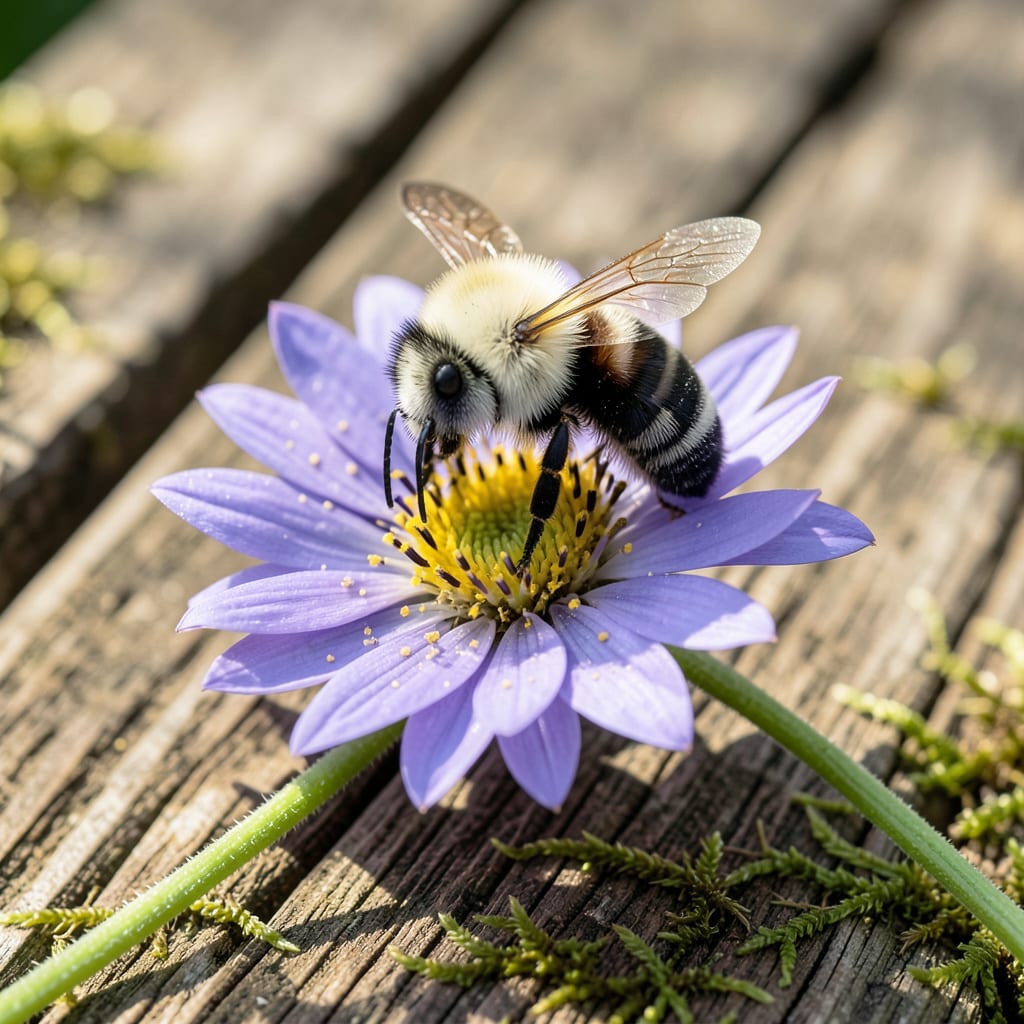
White-headed bumble bees often signal a nest under stress. I first spotted them in my garden last spring, and it took me a while to realize they weren’t a new species but workers with natural white markings.
These bees are crucial pollinators, so removal should always be a last resort. The key is identifying the nest location, assessing its threat, and using gentle relocation methods to protect both your plants and the colony.
📚 In This Guide
Here’s how to identify and safely relocate these important pollinators without causing harm.
First, observe the bee’s appearance carefully. White headed bumble bees have a distinct white or pale yellow head with a black or dark body, often with additional white or yellow bands. They’re typically ½ to 1 inch long with a fuzzy, rounded shape that distinguishes them from honeybees.
Watch their behavior. Bumble bees fly in a slow, bumbling pattern and often hover near flowers. They’re less aggressive than other bee species. If you see bees with white heads actively pollinating your garden plants, you’ve likely found them.
Bumble bee nests are often hidden in underground burrows, dense grass clumps, or abandoned rodent holes. Look for bees entering and exiting from a specific spot – this indicates the nest location. They rarely nest in structures like honeybees do.
Be patient and observe from a distance at dawn or dusk when bees are less active. You’ll notice a steady stream of workers coming and going. Mark the location from a safe distance of at least 10 feet away.
Gather protective clothing including a long-sleeved shirt, pants, closed-toe shoes, and gloves. While bumble bees are generally docile, some may defend their nest if disturbed. Avoid using pesticides – these important pollinators are protected in many areas.
Prepare a cardboard box with ventilation holes and a soft cloth or towel. You’ll also need a small shovel or trowel. Work during cool evening hours when all bees are in the nest and less active.
Approach the nest slowly and calmly. Gently place the box over the nest entrance. Use the shovel to carefully lift the nest and surrounding soil into the box. Work quickly but gently to minimize disturbance to the colony.
Cover the box with the cloth and secure it. Transport the nest to a safe location at least 1-2 miles away from your home, preferably near wildflowers or a garden. Remove the cloth and leave the box on its side near the new location.
Check the original nest site after 24-48 hours to ensure all bees have relocated. Fill any holes with soil to discourage new nests. Bumble bee colonies typically die off in fall, with only new queens surviving to start new colonies in spring.
To prevent future nests, maintain your yard regularly and fill any animal burrows. However, consider leaving some wild areas – these bees are valuable pollinators that help your garden thrive. If you’re unsure about removal, contact a local beekeeper for assistance.
Here’s what I’ve learned from experience to make this process smoother and safer for both you and the bees.
Observation Timing: The instructions mention watching at dawn or dusk, and there’s a good reason for this. Bees are far less active during these cooler times, making identification and nest location much easier. I’ve found that early evening works best for me, as the lighting is still good but the bees are winding down.
Safety Distance: When marking the nest location, that 10-foot distance isn’t just a suggestion. Bumble bees can become defensive if they feel their nest is threatened. I keep a measuring tape in my toolkit just to be sure I’m maintaining that safe buffer zone.
Relocation Timing: The 24-48 hour monitoring period after relocation is crucial. I once checked too soon and found some stragglers that needed more time. Be patient and give the colony the full window to ensure everyone has moved to their new home.
Equipment Preparation: Having everything ready before you start Step 4 is non-negotiable. I learned this the hard way when I had to improvise a box cover mid-process. Your cardboard box should have ventilation holes already punched out, and your cloth should be within arm’s reach before you approach the nest.
White headed bumble bees are generally not aggressive, but they can sting if provoked. Their venom is mild compared to other bees, but allergic reactions are possible. Always exercise caution and avoid handling them directly.
These bees are most active during spring and summer, especially in sunny, warm weather. They’re often spotted foraging for nectar between 10 AM and 4 PM, making this the best time to observe or address their presence.
Try relocating nests using a gentle vacuum or cardboard box method. Planting bee-repelling plants like mint or citronella can also deter them naturally. Sealing entry points in walls or roofs prevents future nesting.
They’re likely attracted to flowers, water sources, or nesting sites. Gardens with abundant blooms provide ideal foraging grounds. Reducing standing water and trimming overgrown plants can help discourage their presence.
Clean the area with soap and water, apply a cold compress, and use over-the-counter antihistamines for swelling. Seek medical help if you experience difficulty breathing, dizziness, or severe swelling.
