
Beautiful Plants For Your Interior
Beautiful Plants For Your Interior
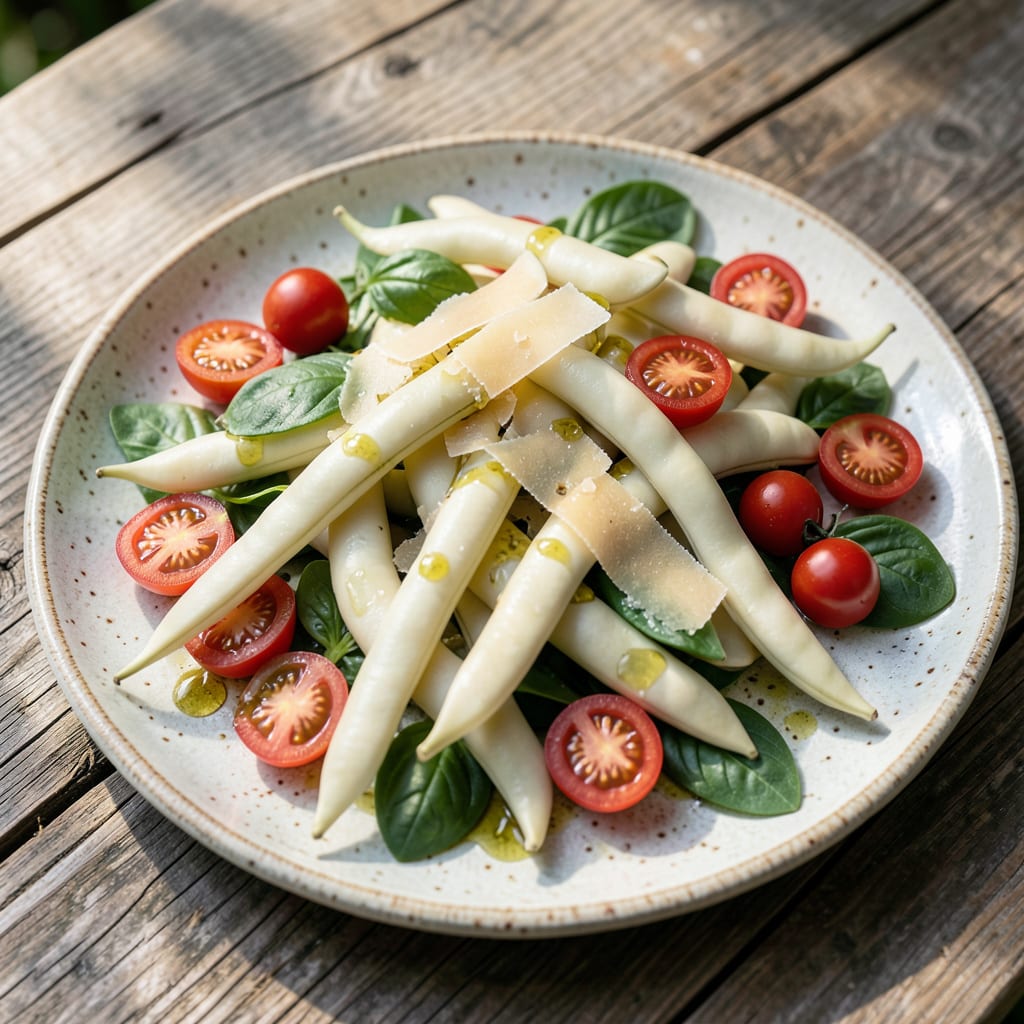
I’ve been growing white half runners for years, and they never fail to impress with their reliable production and tender texture. These beans climb fast and keep producing as long as you pick them regularly.
They thrive in full sun with well-draining soil and minimal fuss. Once established, you’ll be harvesting fresh pods every few days for weeks on end. Perfect for small gardens or trellises.
📚 In This Guide
This method ensures a steady supply of crisp, flavorful beans all season long.
Start by selecting a sunny spot with full sun (at least 6-8 hours daily). Work the soil to a depth of 12 inches, removing rocks and breaking up clumps. Pole beans thrive in well-draining, fertile soil, so mix in a 2-inch layer of compost to boost nutrients.
Install a sturdy trellis, teepee, or pole system at least 6 feet tall. I use bamboo poles tied together at the top in a teepee shape. Space the poles 4-6 inches apart to give vines room to climb. Secure the structure firmly—mature plants get heavy, and a wobbly trellis will topple.
Wait until the soil warms to at least 60°F (about 2-3 weeks after the last frost in most regions). Pole beans hate cold soil and won’t germinate below 55°F. I check by touching the soil—if it feels warm to the bare hand, it’s time to plant.
Sow seeds 1 inch deep and 4-6 inches apart at the base of each pole. Plant 2-3 seeds per pole for insurance, then thin to the strongest 1-2 plants once they sprout. Water gently but thoroughly after planting to settle the soil around the seeds.
Keep the soil evenly moist, especially during germination and flowering. Water deeply 1-2 times per week, or more often in hot, dry spells. The goal is 1 inch of water per week, including rainfall. Use a soaker hose or drip irrigation to avoid wetting the leaves, which can invite disease.
Once seedlings are 3-4 inches tall, spread a 2-inch layer of organic mulch (like straw or shredded leaves) around the base. This retains moisture, suppresses weeds, and keeps the soil cool. Avoid piling mulch against the stems—leave a small gap to prevent rot.
As vines grow, gently twine them around the poles to encourage upward growth. I do this when the tendrils are 2-3 inches long. Left untrained, vines will sprawl on the ground, making harvesting difficult and increasing the risk of pest damage or rot.
Watch for the first flowers, which appear in 50-60 days. Beans will follow within 1-2 weeks. If vines reach the top of the trellis before flowering, pinch off the growing tips to redirect energy into pod production. This also prevents tangled, unruly growth.
Start picking beans when they’re 4-6 inches long and the seeds inside are just visible as small bumps. Harvest every 2-3 days to keep the plants productive. The more you pick, the more they’ll produce—this is the secret to a continuous harvest.
Use two hands to avoid damaging the vines: hold the stem with one hand and gently pull the bean with the other. If you tug too hard, you’ll risk snapping the vine. Beans should snap easily when fresh. If they bend instead of breaking, they’re past their prime—pick them anyway to keep the plant yielding.
Small adjustments make a big difference in your harvest success.
Soil Preparation: Working the soil to that 12-inch depth isn’t just about removing rocks—it creates loose, aerated earth that lets roots spread easily. I learned the hard way that compacted soil leads to stunted plants. Mixing in that 2-inch compost layer gives your beans the nutrient boost they need right from the start.
Temperature Matters: Don’t rush planting! Those 60°F soil temperatures are non-negotiable for germination. I check mine with a simple meat thermometer stuck 3 inches deep. If it reads below 55°F, wait another week. Cold soil means rotten seeds instead of strong seedlings.
Training Technique: When those tendrils hit 2-3 inches, start gently winding them around the poles. I do this every morning with my coffee—it takes seconds and prevents a tangled mess later. Skipping this step means your vines will sprawl, making harvesting a backbreaking chore.
Harvest Timing: Picking every 2-3 days isn’t just about getting fresh beans—it signals the plant to produce more. I set a phone reminder so I never miss a harvest window. When beans reach 4-6 inches, they should snap cleanly. If they bend, you’ve waited too long, but pick them anyway to keep production going.
Aim for a trellis or support system at least 6–8 feet tall. These vigorous climbers grow best with sturdy vertical space, ensuring proper air circulation and easier harvesting.
Plant after the last frost when soil temperatures reach 60°F (15°C) or warmer. In most regions, this means late spring to early summer. They thrive in warm conditions!
Yes, but choose large containers (at least 12–18 inches deep) with a strong trellis. Ensure good drainage and consistent moisture, as container-grown beans dry out faster.
Low yields often result from poor pollination, inadequate support, or inconsistent watering. Encourage bees with companion flowers and maintain steady moisture for optimal pod production.
Try bush beans like ‘Blue Lake‘ or ‘Contender’ for compact growth. They don’t need trellising and mature faster, though they produce a single harvest instead of continuous yields.
