
Beautiful Plants For Your Interior
Beautiful Plants For Your Interior
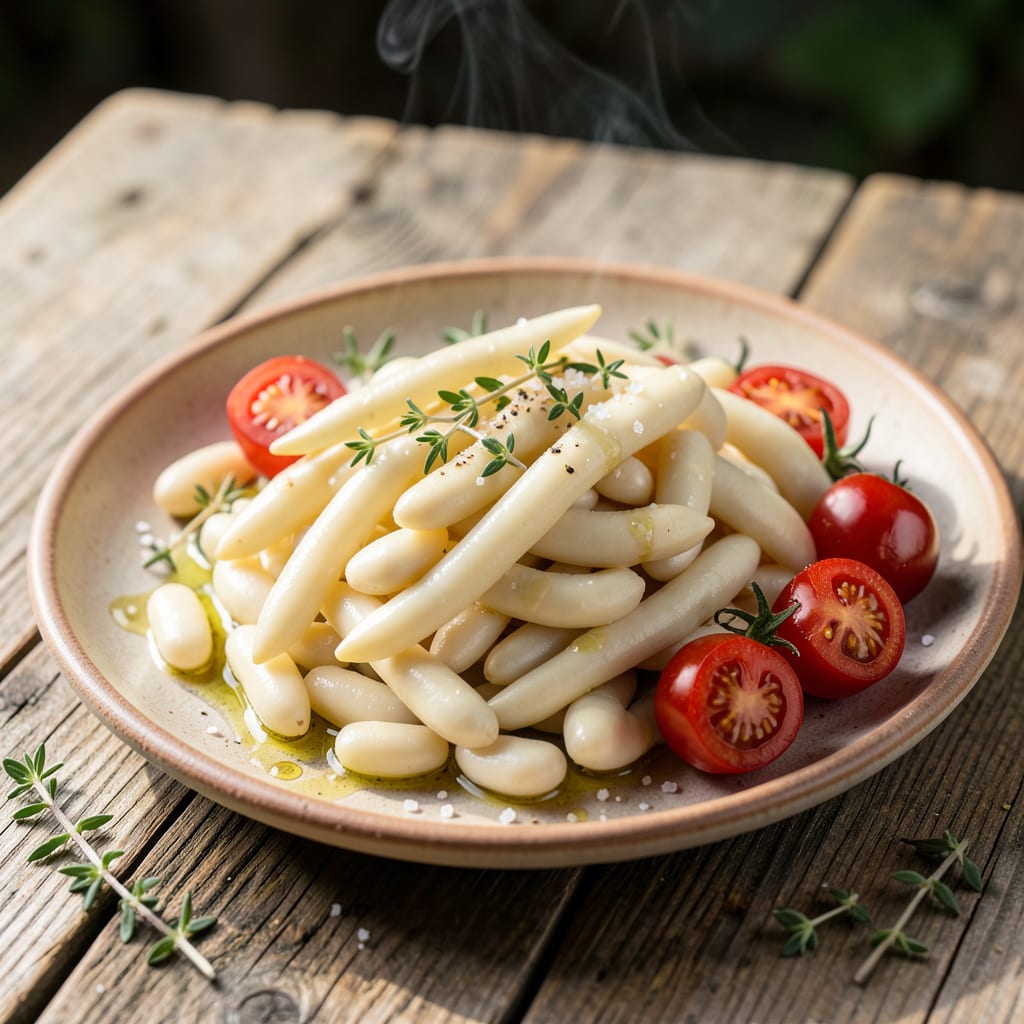
I’ve grown white half runner beans for over a decade, and they never disappoint. These heirloom beans are prolific producers that thrive in home gardens with minimal fuss.
They climb beautifully on trellises, produce tender pods all season, and taste better than anything from the store. Plant them in well-drained soil after the last frost, and you’ll be harvesting in about 60 days.
📚 In This Guide
This heirloom variety rewards patience and precision with a bountiful, flavorful harvest.
Choose a location with full sun exposure, as these beans require at least 6-8 hours of direct sunlight daily for optimal pod production. The soil should be well-draining with a pH between 6.0 and 7.0—test with a kit if you’re unsure.
Work the soil to a depth of 12 inches, removing rocks and breaking up clumps. Amend with compost or aged manure to improve fertility. Avoid fresh manure, as it can burn tender roots and introduce weeds.
If your soil is heavy clay, mix in 2-3 inches of organic matter to loosen it. Beans thrive in loose soil that allows roots to penetrate easily and water to drain properly.
Sow seeds directly outdoors after the last frost date, when soil temperatures reach at least 60°F. Planting in cold soil delays germination and can cause seeds to rot. Soak the seeds in lukewarm water for 2-3 hours before planting to soften the seed coat and speed up germination.
Space seeds 1 inch deep and 2-3 inches apart in rows that are 18-24 inches apart. Cover lightly with soil and gently firm the surface. Water thoroughly but gently to avoid washing seeds away.
Here’s the thing—beans are sensitive to disturbance, so avoid transplanting. Direct sowing ensures minimal root disruption and stronger plants from the start.
White Half Runner beans are semi-vining and benefit from support, though they can also grow as bush types if left unsupported. Install trellises, poles, or a teepee structure at planting time to avoid disturbing roots later. Use bamboo stakes, wire cages, or netting—anything sturdy enough to hold vines that can reach 4-6 feet tall.
Space supports every 2-3 feet along the row. As seedlings emerge and grow, gently guide the vines toward the support. This keeps pods off the ground, reducing rot and making harvest easier.
Without support, plants may sprawl, but yields will be lower, and pods are more prone to disease. I’ve found that supported plants produce straighter, cleaner beans.
Keep the soil evenly moist, especially during germination and pod formation. Water deeply 1-2 times per week, providing about 1 inch of water total. The goal is consistent moisture—avoid letting the soil dry out completely or become waterlogged.
Once plants are 6 inches tall, apply a 2-3 inch layer of organic mulch, such as straw or shredded leaves, around the base. Mulch conserves moisture, suppresses weeds, and keeps soil temperatures stable.
Real talk: beans are drought-tolerant once established, but inconsistent watering leads to blossom drop and misshapen pods. Check soil moisture by sticking your finger 1 inch into the soil—if it feels dry, it’s time to water.
Begin harvesting when pods are 4-5 inches long and still firm, typically 55-60 days after planting. Pick regularly—every 2-3 days—to encourage continued production. Use two hands: hold the vine with one and snap the pod off with the other to avoid damaging the plant.
White Half Runners are at their best when the seeds inside are just beginning to swell but are still small. Overmature pods become tough and stringy. If you miss a harvest window, the beans can be left to dry on the vine for shelling.
I know it seems weird, but the more you pick, the more the plant will produce. A single well-tended plant can yield 2-3 pounds of beans over the season.
Small adjustments in timing and technique make a big difference with these beans.
Sunlight Essentials: The 6-8 hours of direct sunlight daily is non-negotiable for pod production. If your garden gets partial shade, prioritize morning sun which is less intense than afternoon heat. I’ve noticed plants in full sun produce nearly twice as many pods as those in partial shade.
Soil Temperature Tip: Never plant until soil reaches at least 60°F—cold soil is the number one reason for poor germination. Use a soil thermometer to check, as air temperature can be misleading. The 2-3 hour seed soaking in lukewarm water also gives them a head start.
Support Strategy: Install your trellises or poles at planting time, not after seedlings emerge. Disturbing the roots later can set plants back by weeks. For the 4-6 foot vines, I recommend spacing supports every 2 feet rather than the maximum 3 feet to prevent sagging as plants mature.
Watering Wisdom: The 1 inch of water per week guideline works best when delivered in 1-2 deep sessions rather than daily light watering. This encourages deep root growth. Once plants hit 6 inches tall, that 2-3 inch mulch layer becomes crucial for moisture retention during hot spells.
Sow seeds 1 inch deep, 2-4 inches apart, in well-draining soil after the last frost. Provide a trellis or support for climbing. Keep soil moist but not waterlogged for best germination.
Pick beans when they’re young and tender, usually 50-60 days after planting. Harvest every 2-3 days to encourage more production. Avoid waiting too long, as overripe beans can become tough.
Yes! Use a large container (at least 12 inches deep) with a trellis for support. Ensure good drainage and consistent watering for healthy growth.
Common issues include poor soil fertility, lack of sunlight, or inconsistent watering. Ensure they get 6-8 hours of sun daily and fertilize lightly if needed.
Try Kentucky Wonder or Blue Lake beans if you want similar flavor and growth habits. Both are prolific producers and great for fresh eating or drying.
