
Beautiful Plants For Your Interior
Beautiful Plants For Your Interior
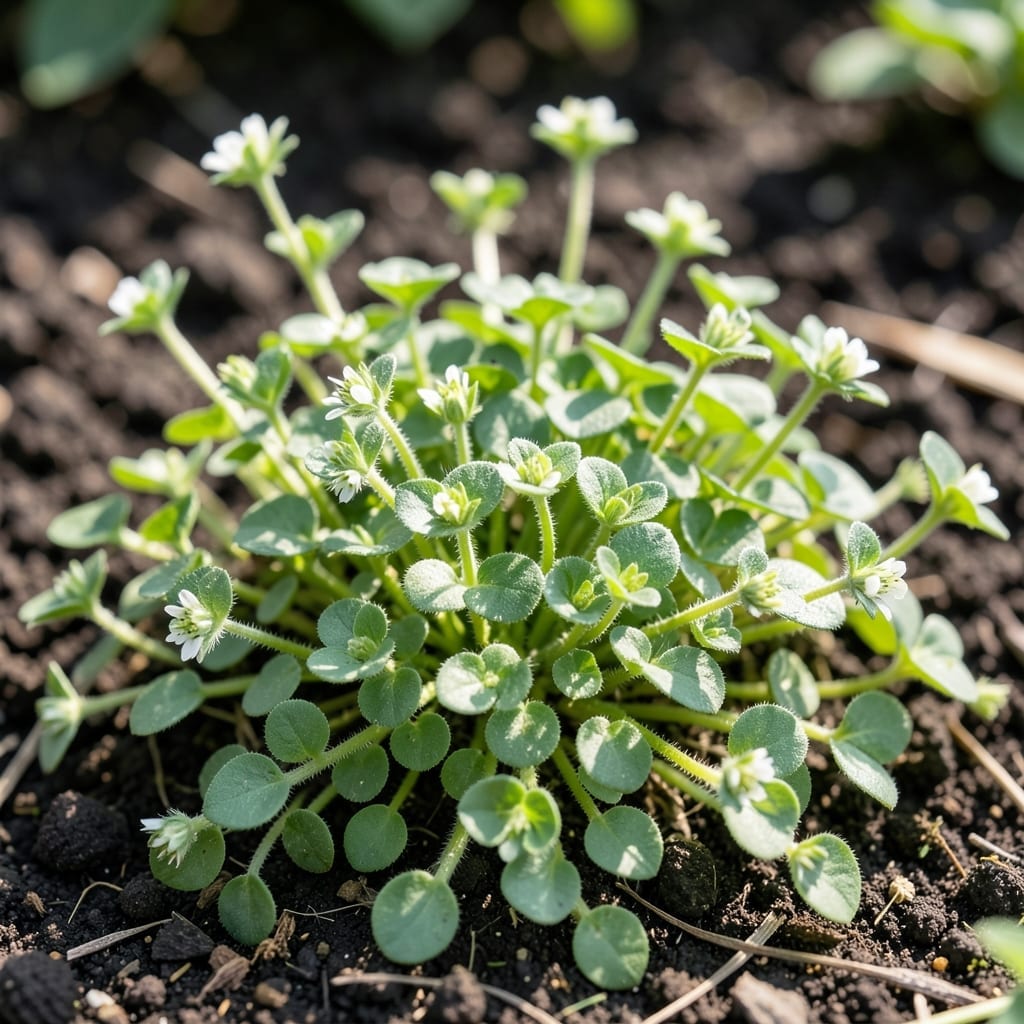
Those white fuzzy invaders in your garden aren’t just unsightly—they’re stealing resources from your plants. I spent years battling them before realizing prevention beats cure every time.
Natural methods work best: consistent weeding before they seed, mulching to block sunlight, and targeted vinegar sprays for stubborn patches. You’ll reclaim your beds without harsh chemicals.
📚 In This Guide
Use these proven strategies to keep your garden free of these invasive plants without harsh chemicals.
Before taking action, confirm you’re dealing with the right invader. These typically have white, hairy foliage and spread rapidly in disturbed soil. I always check for the characteristic fuzzy texture on both stems and leaves—this distinguishes them from lookalike plants.
Use a magnifying glass if needed to spot the fine hairs. Misidentification leads to removing wrong plants or using ineffective methods. Note their growth pattern: they often form dense mats that smother desirable vegetation.
For small infestations, hand-pulling works best when soil is moist—roots come out more easily. Grasp the plant at its base and pull slowly but firmly to extract the entire root system. Any fragments left behind will regrow, so be thorough.
I wear gloves because the hairs can irritate skin. Place all removed material in a sealed bag for disposal—never compost these, as seeds may survive. Check the area weekly for new growth, as dormant seeds in the soil can germinate.
Prevent regrowth by applying a 2-3 inch layer of organic mulch like straw or wood chips. This blocks light from reaching seeds in the soil. I’ve found that cedar chips work particularly well because they contain natural compounds that inhibit germination.
Keep mulch away from plant stems to prevent rot. Refresh the layer every 6-8 weeks or after heavy rain, as it breaks down over time. This method also improves soil health as the mulch decomposes.
Overcrowd the invaders by planting dense, vigorous ground covers. I recommend creeping thyme or clover, which establish quickly and form thick mats. Space plants 6-8 inches apart to ensure they fill in rapidly.
Water new plantings regularly until established—this gives them a competitive edge. The shade from dense planting suppresses weed seed germination naturally. Monitor the area and remove any new invaders promptly before they spread.
For larger areas, a targeted spray of horticultural vinegar (20% acetic acid) can be effective. Apply on a sunny day when temperatures are above 60°F for best results. I use a pump sprayer for precise application.
Spray directly on foliage until thoroughly wet, but avoid overspray on desirable plants as vinegar is non-selective. Reapply every 10-14 days as needed until the plants are gone. This works best on young growth before seed formation.
These practical insights will help you tackle the problem more effectively while avoiding common pitfalls.
Identification Precision: In Step 1, take extra time to confirm the fuzzy texture on both stems and leaves as this is the most reliable identifier. I’ve made the mistake of targeting similar-looking plants before, which only wasted effort. Use that magnifying glass to be absolutely certain.
Root Removal Technique: For Step 2, moist soil is your ally—wait for a day after rain or water the area first. Grasp the base firmly and pull slowly to ensure you get the entire root system. I learned the hard way that rushing this step leads to regrowth.
Mulch Maintenance: The 2-3 inch layer in Step 3 is non-negotiable for blocking light to seeds. Cedar chips are my go-to because they naturally inhibit germination, but any organic mulch works. Remember to refresh it every 6-8 weeks or after heavy rain to maintain effectiveness.
Vinegar Application Timing: In Step 5, that 60°F minimum isn’t just a suggestion—vinegar works best in warm conditions. Apply on sunny days for maximum impact, and reapply every 10-14 days as directed. I’ve found this schedule prevents the plants from establishing a foothold.
Look for low-growing plants with white, fuzzy leaves and stems. Common examples include lamb’s quarters or common mullein. They often thrive in dry, sunny spots.
Early spring or fall is ideal, as weeds are younger and easier to pull. Remove them before they seed to prevent regrowth.
Yes! Use mulch, boiling water, or vinegar-based sprays. Hand-pulling or tilling also works for small infestations.
They may regrow from leftover roots or seeds. Ensure full removal and apply organic pre-emergent treatments like corn gluten meal.