
Beautiful Plants For Your Interior
Beautiful Plants For Your Interior
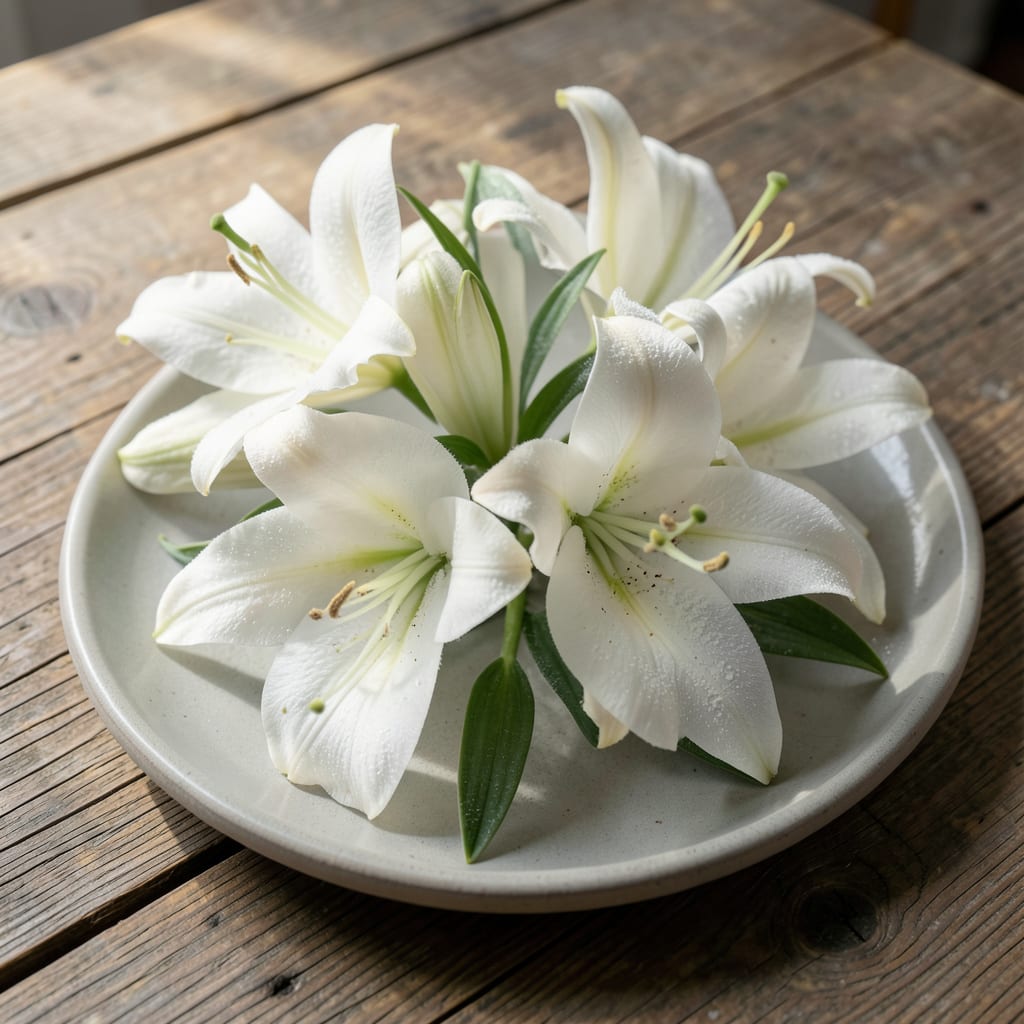
That white fuzz on your lilies isn’t just ugly—it’s a red flag. I first spotted it on my Asiatic lilies last summer, and ignoring it nearly cost me the whole bed.
The culprit is usually a fungal issue or pest infestation, often targeting stems and leaves first. Left untreated, it spreads fast, weakening plants and ruining blooms before they even open.
Natural treatments like baking soda sprays or neem oil can stop it in its tracks, but timing is everything. Catch it early, and you’ll save your lilies with minimal effort.
Prevention is simpler than you think—better air circulation and cleanup make all the difference. Here’s how to keep your plants healthy and fuzz-free.
The white fuzz you’re seeing on your lilies is usually a sign of fungal or pest activity. Below are the most common culprits, explained simply but scientifically.
Lilies are susceptible to Botrytis elliptica (lily blight) and powdery mildew, both of which thrive in cool, damp conditions. These fungi produce white, cottony or powdery growth on leaves, stems, and flowers. Poor air circulation and overhead watering create the perfect environment for spores to germinate and spread.
Mealybugs are tiny, soft-bodied insects that secrete a white, waxy substance, giving the appearance of fuzz. They cluster in leaf axils, undersides, and flower buds, sucking sap and weakening the plant. Their sticky honeydew residue can also attract sooty mold, compounding the problem.
Excess moisture—whether from heavy watering, poor drainage, or high humidity—stresses lilies and invites fungal growth. Stagnant water on foliage or soggy soil creates a breeding ground for pathogens like Botrytis, while crowded plantings trap humidity, accelerating infection.
Fungal spores and pests can linger in soil or on gardening tools. Using unsterilized pruners or planting in previously infected soil can introduce white fuzz-causing organisms to healthy lilies. Always disinfect tools with rubbing alcohol and rotate planting sites to break disease cycles.
White fuzz on lilies is usually manageable with the right approach. Below are targeted solutions for the most common causes, along with prevention tips to keep your plants healthy.
If the fuzz is caused by Botrytis or powdery mildew, start by removing heavily infected leaves or stems with sterilized pruners. Space out your lilies to enhance air circulation, and water at the base to keep foliage dry. Apply a copper-based fungicide or neem oil spray weekly until the issue clears. For a natural fix, mix 1 teaspoon of baking soda and a few drops of dish soap in a quart of water, and spray it on the affected areas.
Mealybugs and aphids can leave a white, fuzzy residue. Wipe them off with a cotton swab dipped in rubbing alcohol (70%) for small infestations. For larger outbreaks, use insecticidal soap or neem oil, applying it every 3–4 days until pests are gone. Introducing beneficial insects like ladybugs can also help control the problem naturally.
Soggy soil encourages fungal growth. Ensure your lilies are planted in well-draining soil and pots have drainage holes. Reduce watering frequency—let the top inch of soil dry out between sessions. If the roots are already waterlogged, repot the plant in fresh, dry soil and trim any rotten roots.
💡 Prevention Tips:
Yes, it can weaken or kill your plant if left untreated. The fuzz often indicates fungal disease or pests that damage foliage and stems. Early intervention prevents spreading to healthy parts.
A baking soda spray (1 tsp per quart of water) or neem oil works for mild cases. Apply every 5-7 days until it clears. Avoid harsh chemicals unless infestation is severe.
Improve air circulation by spacing plants 12-18 inches apart. Water at the base in the morning and remove dead foliage promptly. These steps reduce humidity where fungi thrive.
