
Beautiful Plants For Your Interior
Beautiful Plants For Your Interior
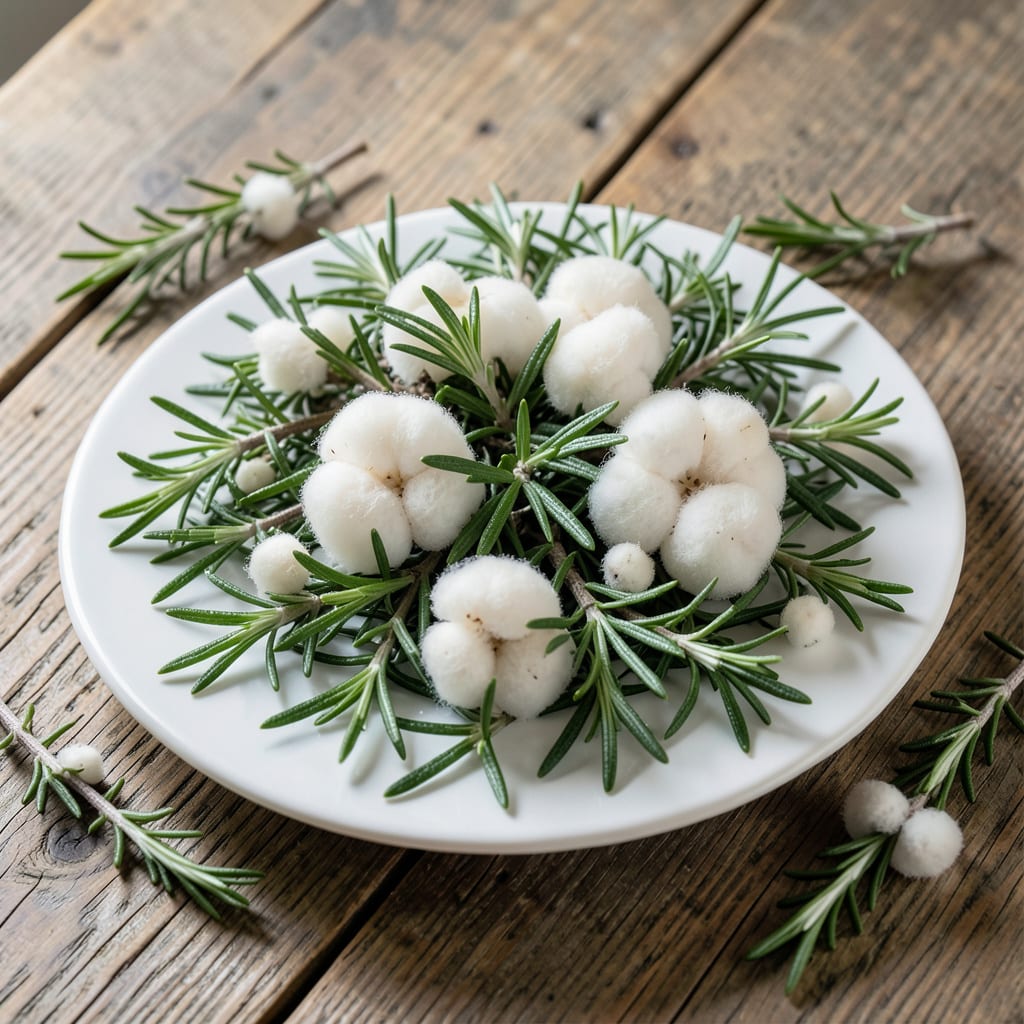
That white powder on your rosemary isn’t snow. 🌿 I first noticed it on my kitchen windowsill plant last winter—tiny cottony spots that spread fast. It’s usually powdery mildew or downy mildew, and it thrives in damp, still air.
Here’s the thing—rosemary hates wet leaves. Overhead watering, poor airflow, or high humidity create the perfect storm. I lost two plants before realizing the fix was simpler than I thought.
You can stop the spread with a homemade baking soda spray or neem oil. Prune affected stems, improve airflow, and water at the base. The plant bounces back within 2-3 weeks.
Prevention is easier than cure: space plants properly, keep leaves dry, and ensure good ventilation. This works for potted or in-ground rosemary.
White fungus on rosemary often stems from environmental and cultural conditions that favor fungal growth. Below are the primary causes:
Overwatering or poor drainage creates a damp environment where fungi like Powdery Mildew (Oidium spp.) thrive. Rosemary prefers dry, well-drained soil, and soggy roots or humid foliage invite spores to settle and spread. Ensure pots have drainage holes and water only when the top inch of soil is dry.
Stagnant air and humidity above 60% encourage fungal spores to germinate. Rosemary, a Mediterranean native, prefers low humidity. Improve airflow with spacing between plants or a small fan, and avoid overhead watering to keep leaves dry.
Crowded plants or dense foliage trap moisture, creating a microclimate perfect for white fungus. Prune overgrown branches to increase ventilation and reduce fungal risks.
Cool nights (below 60°F/15°C) combined with warm days can stress rosemary, weakening its defenses. Fungi exploit this stress, especially in shaded areas. Provide consistent warmth and full sun (6+ hours daily) to deter growth.
Fungal spores linger in infected soil or on unsterilized pruning tools. Use fresh potting mix and disinfect tools with rubbing alcohol to prevent cross-contamination.
Tackling white fungus on your rosemary plant starts with identifying the root cause and applying the right fix. Here’s how to address common issues and keep your plant thriving.
If soggy soil is to blame, let the top 1-2 inches of soil dry out between waterings. Repot the plant in a well-draining mix (add perlite or sand) and ensure the container has drainage holes. Trim any blackened, mushy roots to prevent rot from spreading.
Prevention tip: 💡 Water only when the soil feels dry to the touch, and always use a pot with drainage.
Improve air circulation by pruning dense foliage and spacing plants apart. Move potted rosemary to a breezy spot or use a small fan on low to keep air moving. For outdoor plants, thin out surrounding vegetation.
Prevention tip: ✨ Avoid misting rosemary—it prefers dry conditions. Water at the base to keep leaves dry.
Mix 1 teaspoon of baking soda + 1 quart of water + a drop of dish soap and spray affected leaves weekly until the fungus clears. For stubborn cases, use neem oil (follow label instructions). Remove heavily infected leaves and discard them (not in compost).
Prevention tip: 🎯 Apply a copper fungicide preventatively in humid seasons, and avoid overhead watering.
Boost your rosemary’s defenses with balanced fertilizer (low nitrogen) or compost tea. Ensure it gets 6+ hours of sunlight daily and prune leggy growth to encourage vigor.
Prevention tip: 🌡️ Rosemary thrives in slightly dry, warm conditions—mimic its native Mediterranean habitat.
Yes, if left untreated it can weaken your rosemary by blocking photosynthesis and spreading to new growth. The fungus won’t kill the plant immediately, but severe cases may require pruning affected areas.
A baking soda spray (1 tsp baking soda + 1 quart water + dish soap) works well for mild cases. Apply weekly until it clears. Neem oil is another natural option for stubborn infections.
Improve airflow, avoid overhead watering, and ensure 6+ hours of sunlight daily. Space plants properly and water only when soil is dry to the touch.
Yes, prune heavily infected leaves immediately and discard them—don’t compost. This prevents spores from spreading to healthy parts of the plant.
