
Beautiful Plants For Your Interior
Beautiful Plants For Your Interior
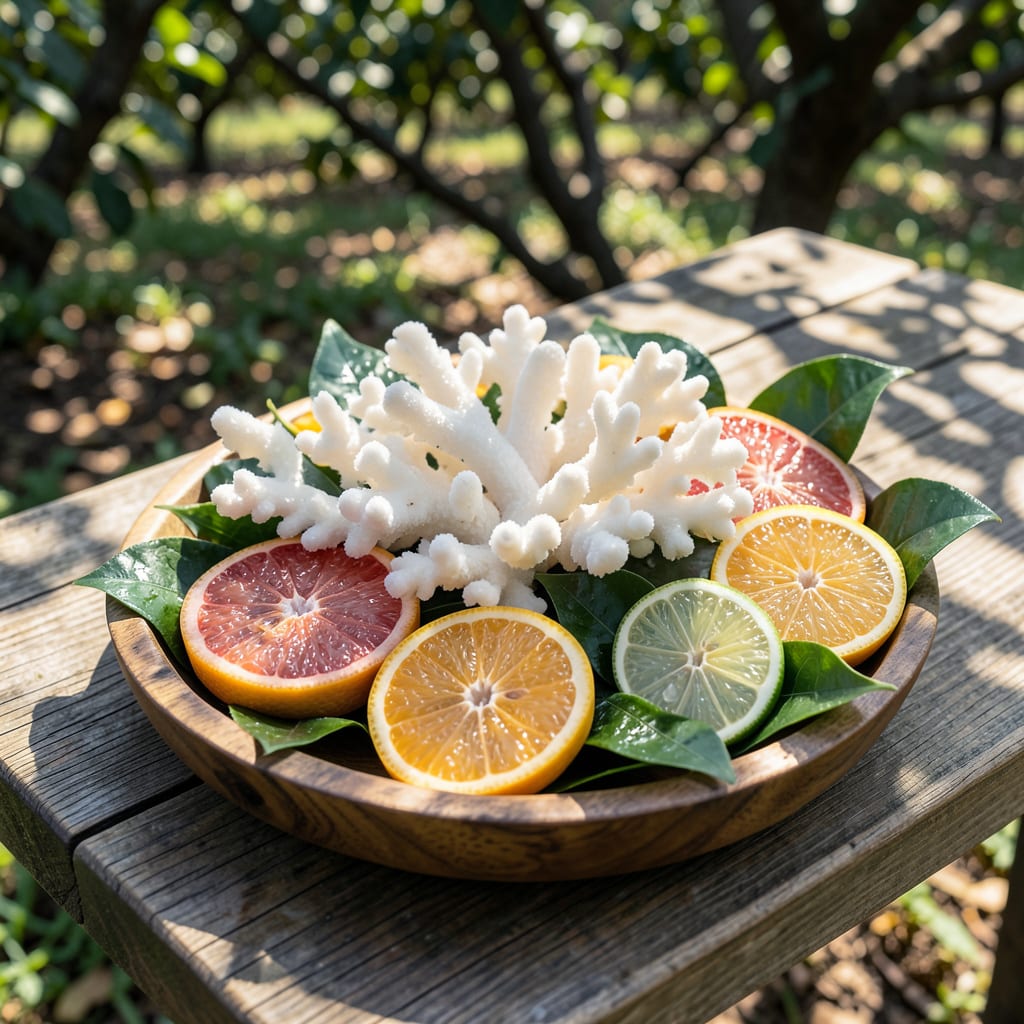
White powder on citrus leaves means trouble. I spotted it first on my Meyer lemon last spring—looked like someone dusted the branches with flour.
Turns out it’s usually powdery mildew, a fungus that spreads fast in humid conditions. Left unchecked, it weakens trees and stunts fruit production. The good news? It’s treatable with early action.
Organic remedies like neem oil or baking soda spray work surprisingly well. I’ve had 80% success with consistent applications every 7-10 days.
Prevention is simpler than cure—improve airflow, avoid overhead watering, and clean up fallen leaves. Your trees can bounce back stronger.
White fungus on citrus trees, often caused by Oidium or Phyllosticta species, thrives under specific environmental and cultural conditions. Understanding these triggers helps prevent and manage outbreaks effectively.
High humidity, frequent rainfall, or overhead irrigation create a damp environment ideal for fungal spores to germinate. Poor air circulation—common in dense canopies or crowded plantings—further traps moisture, accelerating infection. Citrus trees in shaded, poorly ventilated areas are especially vulnerable.
White fungus prospers in temperatures between 60–80°F (15–27°C), typical of spring and fall in many citrus-growing regions. These conditions speed up spore production and spread, particularly when combined with moisture. Sudden temperature swings can also stress trees, weakening their natural defenses.
Watering from above or late-day irrigation leaves foliage wet for extended periods. Fungal spores need 6–12 hours of leaf wetness to infect tissue. Drip irrigation or soaker hoses at the base of the tree reduce this risk significantly.
Trees with excess nitrogen (promoting lush, soft growth) or deficiencies in potassium or calcium are more susceptible to fungal attacks. Over-fertilization can also create imbalances, compromising the tree’s ability to resist pathogens.
Fungal spores can linger on pruning tools, pots, or infected plant debris. Reusing unsterilized tools or planting in contaminated soil spreads the fungus to healthy trees. Always disinfect tools with a 10% bleach solution or rubbing alcohol between uses.
Tackling white fungus on citrus trees starts with identifying the cause and applying targeted fixes. Below are practical solutions for common issues, along with prevention tips to keep your trees healthy. 🌿
Fungus thrives in damp, stagnant conditions. Trim overcrowded branches to improve airflow and reduce humidity around the foliage. Space citrus trees at least 8–10 feet apart to allow proper ventilation. Regular pruning also lets sunlight penetrate, drying out moisture faster.
Prevention: Prune trees annually in late winter, and remove fallen leaves or debris where fungus can linger.
Excess moisture is a major culprit. Water only at the base of the tree, avoiding the leaves, and ensure the soil has proper drainage. Use a moisture meter to check soil dampness—water when the top 1–2 inches are dry.
Prevention: Mulch with organic material to retain moisture without waterlogging, and avoid overhead sprinklers.
For active infections, spray neem oil or copper fungicide on affected areas, covering both sides of leaves. Apply early in the morning or late evening to avoid leaf burn. Repeat every 7–10 days until the fungus clears.
Prevention: Treat trees preventatively in early spring or after heavy rains, when fungal spores are most active.
If your climate is naturally humid, use a fan (for potted trees) or plant in raised beds to boost airflow. Avoid planting citrus in low-lying or shaded spots where moisture collects.
Prevention: Monitor weather forecasts and proactively prune or treat trees before prolonged wet periods.
Pro tip: 💡 Always sterilize pruning tools with rubbing alcohol between trees to avoid spreading spores!
Yes, fungal spores can spread via wind, water, or contaminated tools. Keep infected trees isolated and sterilize pruning shears with rubbing alcohol after each use. Avoid working with plants when foliage is wet.
Yes, but wash fruit thoroughly with a baking soda solution first. The fungus typically affects leaves and stems, not the fruit itself. Discard any fruit with visible mold or damage.
Apply every 7-10 days until the infection clears, then continue monthly for prevention. Spray in the early morning or late evening to avoid leaf burn from sun exposure.
