
Beautiful Plants For Your Interior
Beautiful Plants For Your Interior
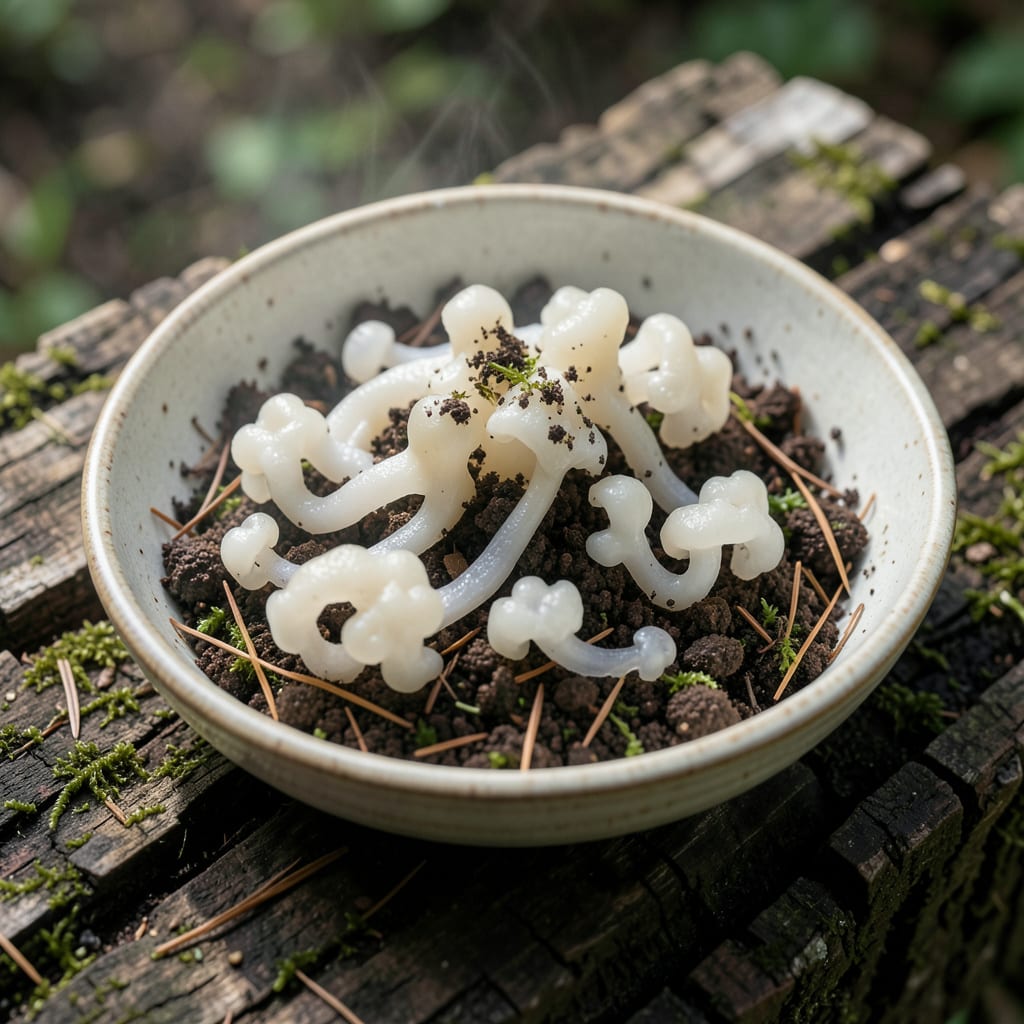
Spotted white fuzz in your soil and panicking? I’ve been there. That fluffy white growth isn’t necessarily a death sentence for your plants, but it does mean your soil’s balance is off.
Most cases come down to excess moisture or organic matter breaking down unevenly. Left unchecked, it can spread and compete with your plants for nutrients. The good news is organic solutions work fast.
You’ll see improvement within 3-5 days of adjusting your care routine. The key is disrupting the fungus’s ideal conditions without harming your garden’s ecosystem.
Works for potted plants, garden beds, and seed-starting mixes. Here’s how to fix it for good.
White fungus in soil often appears due to specific environmental and biological factors. Understanding these causes helps in prevention and control.
Overwatering or poor drainage creates a damp environment ideal for fungal growth. White fungi, like Saprophytic molds, thrive in consistently wet soil where organic matter decomposes slowly. Reduce watering and improve drainage to discourage their spread.
Soil rich in undecomposed organic material (e.g., wood chips, leaves) feeds saprophytic fungi. These organisms break down dead plant matter, but an excess can lead to visible white colonies. Balance organic additions with nitrogen-rich fertilizers to speed up decomposition.
Temperatures between 70–90°F (21–32°C) and high humidity accelerate fungal activity. Greenhouses or shaded outdoor areas are hotspots. Increase airflow with fans or spacing between plants to disrupt ideal growth conditions.
Compacted or nutrient-deficient soil weakens plant roots, making them susceptible to fungal colonization. Aerate the soil and add compost to boost microbial diversity, which naturally suppresses harmful fungi.
White fungus in soil can be managed with simple, organic methods. Below are targeted solutions for common causes, along with prevention tips to keep your dirt fungus-free.
If excess moisture is the culprit, stop watering immediately and let the soil dry out. Repot plants in fresh, well-draining soil mixed with perlite or sand. For garden beds, amend with compost to boost aeration. Use pots with drainage holes to prevent waterlogging.
Revitalize tired soil by adding beneficial fungi like mycorrhizae or compost tea. Sprinkle cinnamon (a natural antifungal) on the soil surface to inhibit white fungus growth. Avoid chemical fertilizers, which can disrupt healthy microbial balance.
Remove decaying leaves, wood, or plant matter where fungus thrives. Turn the soil to expose hidden debris to sunlight, which naturally kills spores. For potted plants, replace the top inch of soil if contamination is severe.
With these steps, you can safely restore balance to your soil and prevent white fungus from returning. ✨
Most white soil fungi are harmless saprophytes that break down organic matter. However, some types can compete with plant roots for nutrients. If your plants show yellowing or stunted growth, take action immediately.
Recurring fungus usually signals persistent moisture or organic buildup. Check drainage and reduce watering frequency. Replace the top 1-2 inches of soil if the problem continues.
A diluted vinegar solution (1 part vinegar to 4 parts water) can work as a natural fungicide. Apply sparingly to avoid harming beneficial soil microbes. Test on a small area first.
