
Beautiful Plants For Your Interior
Beautiful Plants For Your Interior
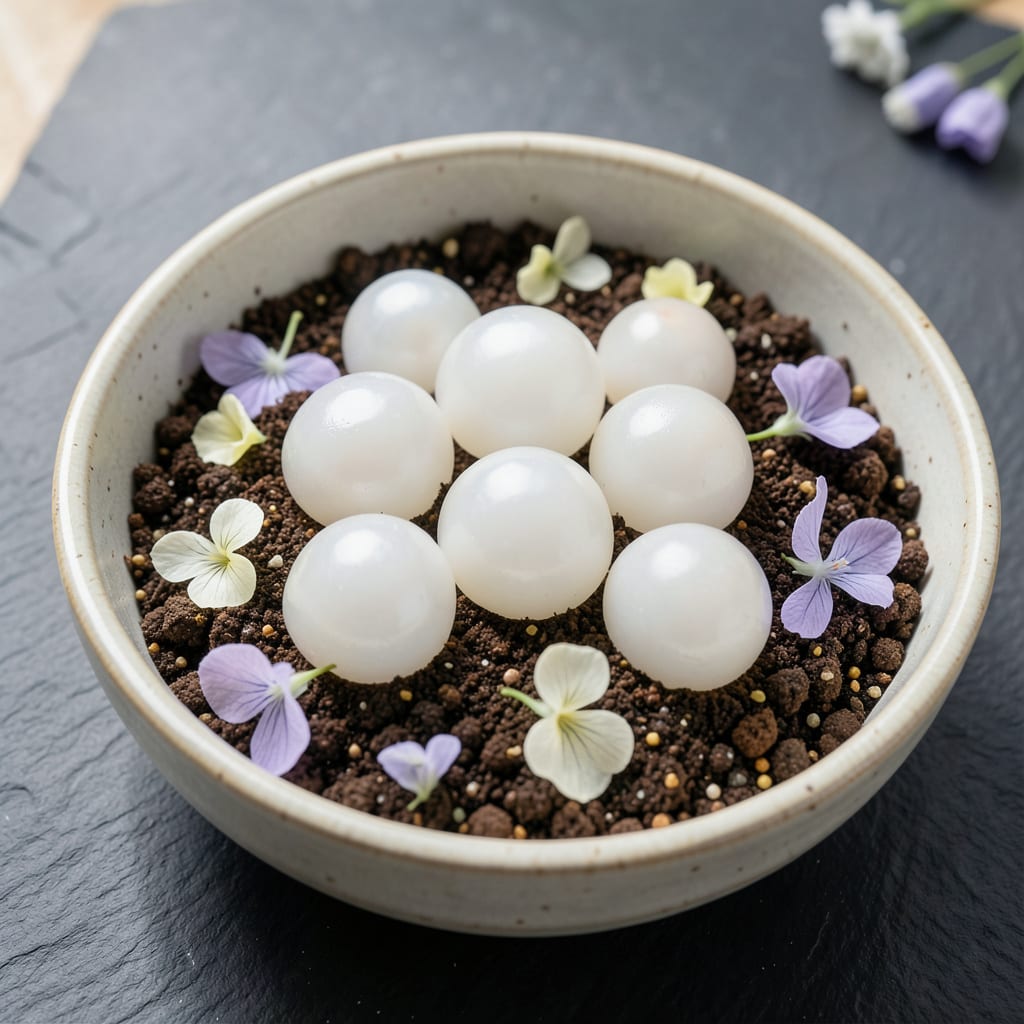
I found white fungus balls in my soil last spring and panicked. Turns out they’re more common than you’d think—and easier to fix than most garden problems.
These little white spheres appear when organic matter breaks down unevenly, usually from too much moisture or not enough airflow. The good news? They won’t harm your plants directly, but they signal your soil needs attention.
With a few simple adjustments to watering habits and soil composition, you can clear them up fast. I did it in under a week with zero chemicals.
Prevention is even easier once you know the tricks. Here’s how to keep your soil healthy and fungus-free for good.
White fungus balls in soil, often called mycorrhizal fungi or sclerotia, appear for several natural reasons. Understanding these causes helps you manage or even encourage their growth, depending on your gardening goals.
Soils rich in decomposing organic material (like compost, leaf litter, or wood chips) create the perfect environment for fungi. These organisms break down complex compounds, and their reproductive structures—like white, ball-like sclerotia—thrive in nutrient-dense, moist conditions.
Overwatering or poor drainage leads to waterlogged soil, which fungi love. Stagnant moisture reduces oxygen levels, allowing fungal colonies to proliferate. White fungus balls often form in compacted or clay-heavy soils where water doesn’t drain efficiently.
Fungi flourish in temperatures between 70–85°F (21–29°C) with high humidity. These conditions accelerate fungal growth cycles, including the development of sclerotia. Greenhouses or shaded garden beds are common hotspots for these structures.
Many white fungus balls are beneficial mycorrhizae, forming partnerships with plant roots to exchange nutrients. If your soil hosts plants like trees, shrubs, or certain vegetables, these fungi may naturally appear as part of a healthy ecosystem.
Compacted soil or heavy mulch layers can restrict airflow, creating anaerobic pockets where fungi dominate. Tilling or adding coarse amendments (like perlite) can help disrupt fungal overgrowth if it becomes problematic.
Dealing with white fungus balls in soil is manageable with the right approach. Below are targeted solutions for common causes, along with prevention tips to keep your soil healthy.
If excess moisture is the culprit, let the soil dry out between waterings. Stick your finger an inch into the soil—if it feels dry, it’s time to water. Use pots with drainage holes and avoid letting water pool in saucers. Pro tip: Water in the morning to allow excess moisture to evaporate during the day. 💡
Heavy or compacted soil traps moisture, encouraging fungal growth. Mix in perlite, coarse sand, or organic matter like compost to improve drainage. For container plants, ensure pots have drainage holes and use a well-draining potting mix. Prevention: Raise garden beds or use containers if your soil is naturally clay-heavy.
Decaying leaves, wood, or plant debris can harbor fungus. Remove fallen leaves, dead plants, and other organic matter from the soil surface. Pro tip: Use a thin layer of mulch (like bark or straw) to suppress fungus while allowing airflow. ✨
Fungus thrives in stale, humid air. Space plants apart to improve circulation, and prune dense foliage to let light and air reach the soil. Outdoors, avoid overcrowding plants. Indoors, use a small fan on low to keep air moving. Prevention: Open windows or use a dehumidifier in damp spaces.
For existing fungus, try a baking soda spray (1 tsp baking soda + 1 quart water + a few drops of dish soap) or neem oil (mix with water and spray lightly). Avoid harsh chemicals, as they can harm beneficial soil microbes. Pro tip: Apply in the early morning or late evening to avoid leaf burn. 🎯
With these steps, you can tackle white fungus balls and create a healthier environment for your plants!
Most white fungus balls are harmless or even beneficial, like mycorrhizal fungi. They only become a problem if they multiply excessively due to poor soil conditions.
Improve drainage with perlite or sand, avoid overwatering, and remove organic debris. 1 inch of space between soil and pot rim helps airflow too.
Avoid vinegar—it can harm soil pH and beneficial microbes. Stick to baking soda sprays or neem oil for safe, natural treatment.
