
Beautiful Plants For Your Interior
Beautiful Plants For Your Interior
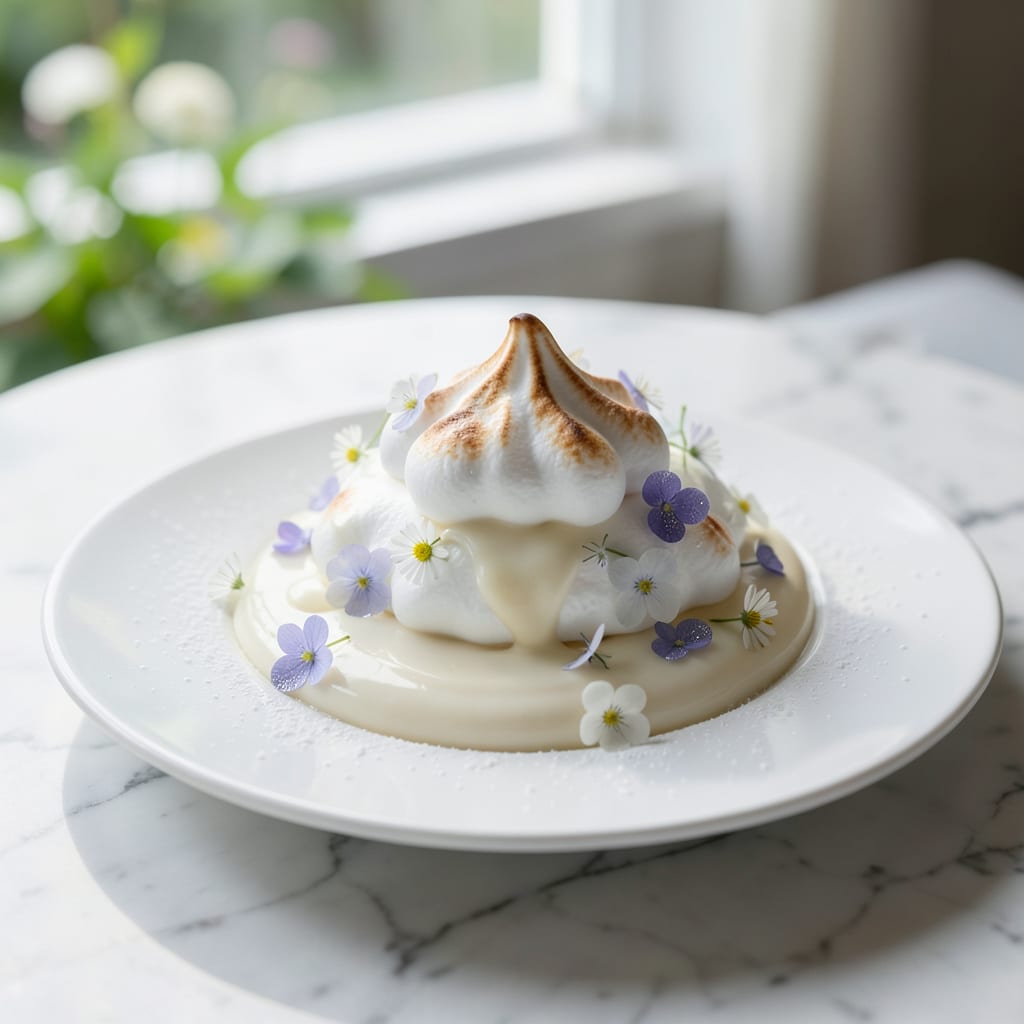
These delicate flowers transformed my shady garden corner into a sea of soft color. White forget-me-nots thrive where other plants struggle, bringing life to dim spots under trees or along north-facing walls.
You’ll love how they self-seed for years of low-maintenance blooms. Just give them moist soil and partial shade, and they’ll reward you with clusters of tiny, sky-blue flowers from spring to early summer.
📚 In This Guide
Here’s the method I rely on for these delicate, shade-loving flowers.
Select a spot with partial shade—morning sun with afternoon shade works perfectly. These plants thrive in consistently moist but well-draining soil. I like to test the area first by digging a small hole and checking if water drains within 1-2 hours after filling it.
Avoid low-lying areas where water pools, as soggy soil causes root rot. If your garden has heavy clay, amend the planting area with compost to improve drainage. The ideal location mimics their natural woodland habitat, which is cool and slightly damp.
If starting from seed, sow them directly on the soil surface in early fall or spring—don’t cover them, as they need light to germinate. Press them gently into the soil to ensure contact. For transplants, dig holes just deep enough to accommodate the root ball, spacing plants 6-12 inches apart.
I water the area lightly after planting to settle the soil. Keep the soil consistently moist until seeds sprout in 14-21 days. Transplants may wilt slightly at first, but they typically recover within a few days if kept hydrated.
Water your plants 1-2 times per week, depending on rainfall, to maintain evenly moist soil. These flowers dislike drought, so check the soil by sticking your finger 1 inch deep—if it feels dry, it’s time to water. I use a soaker hose to deliver water directly to the roots.
Apply a 2-inch layer of organic mulch around the plants to retain moisture and suppress weeds. Avoid piling mulch against the stems, as this can lead to rot. The mulch also helps keep the soil cool, which these shade-lovers appreciate.
Forget-me-nots are low-maintenance once established. Remove spent blooms to encourage prolonged flowering, but I usually leave some to self-seed for next year. They’re not heavy feeders, but a light application of balanced fertilizer in early spring can boost growth.
Watch for signs of powdery mildew, which appears as white spots on leaves. If this happens, improve air circulation by thinning crowded plants and watering at the base rather than overhead. These plants are hardy in zones 5-9 and often return year after year.
White forget-me-nots typically bloom from early spring to early summer. Their delicate, sky-blue flowers with white centers create a stunning carpet effect in shaded areas. I love how they naturalize over time, spreading gently without becoming invasive.
To encourage self-seeding, allow some flowers to fade and drop seeds naturally. The following spring, you’ll often find new plants emerging in clusters. If you prefer a tidier look, deadhead spent blooms before they set seed.
These practical pointers will help you grow healthy forget-me-nots with ease.
Location Testing: In Step 1, when testing drainage, fill your hole completely with water and mark the time. If it doesn’t drain within that 1-2 hour window, you’ll need to amend the soil with compost or find a better spot. Soggy soil is the quickest way to lose these plants.
Seed Starting Secret: For Step 2, remember that forget-me-not seeds need light to germinate, so resist the urge to bury them. I press mine gently into the soil surface with my fingers to ensure good contact without covering them. The 14-21 day sprouting period requires patience and consistent moisture.
Watering Wisdom: When following Step 3’s watering schedule, check that 1-inch soil depth religiously. These plants wilt dramatically at the first sign of drought but recover quickly once watered. A soaker hose prevents the leaf spots that overhead watering can cause.
Plant seeds in well-drained, moist soil with partial shade. Sow in early spring or fall, lightly covering seeds with soil. Keep the area consistently watered until germination, which typically takes 14-21 days.
These charming flowers usually bloom in spring to early summer, often from April to June. In milder climates, they may produce a second flush of blooms in the fall.
Consider lobelia, impatiens, or astilbe for similar shade-loving, delicate flowers. Sweet woodruff is another great ground cover with white blooms.
Lack of blooms can result from too much shade, poor soil, or over-fertilization. Ensure they get dappled sunlight and avoid high-nitrogen fertilizers, which promote foliage over flowers.
They can self-seed prolifically in ideal conditions. To control spread, deadhead spent blooms before seeds form or grow them in containers.
