
Beautiful Plants For Your Interior
Beautiful Plants For Your Interior
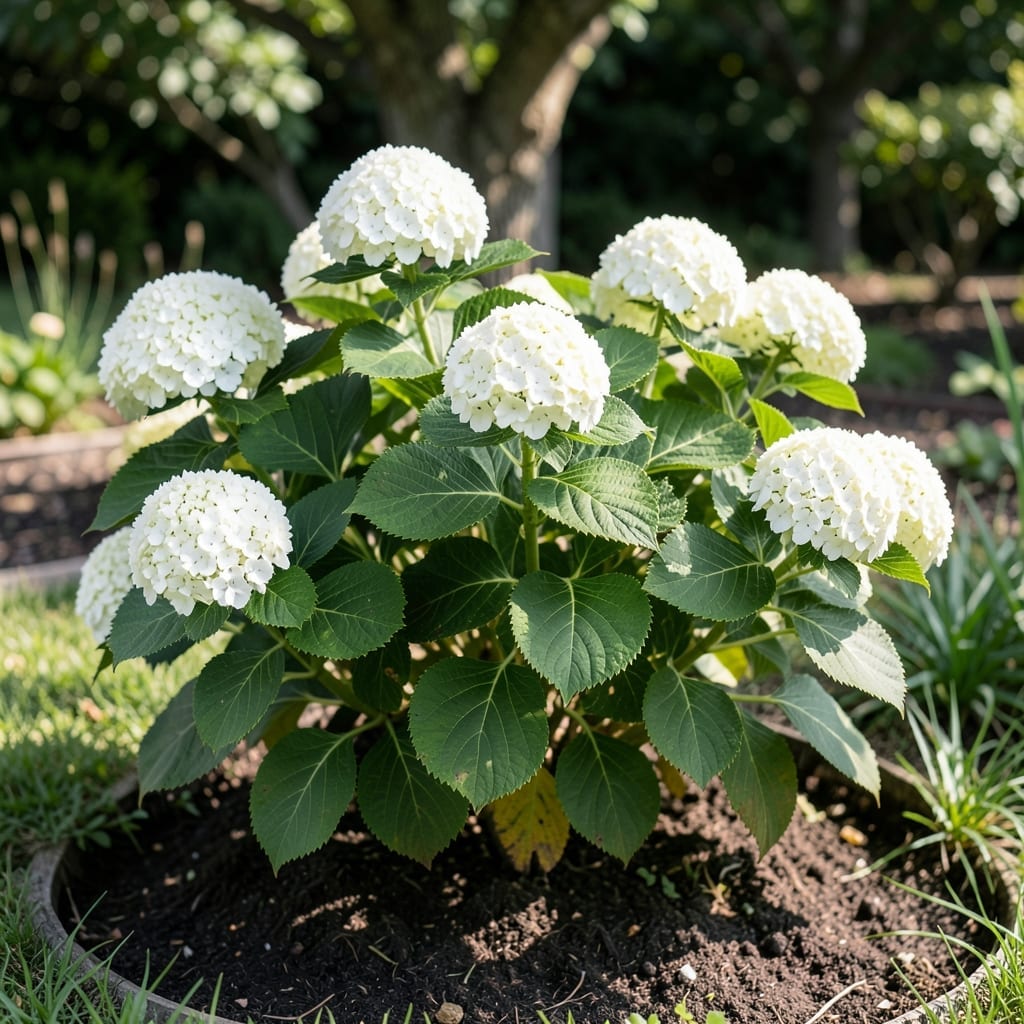
Nothing elevates a garden like a white-flowered bush in full bloom. I’ve planted several varieties, and the right choice can transform any space with minimal effort.
These shrubs thrive in well-draining soil and need only basic care to produce stunning blooms. With the right placement, they’ll brighten your yard for years to come.
📚 In This Guide
This method ensures a lush, blooming centerpiece that thrives for years with minimal fuss.
Choose a spot with full sun to partial shade—most white-flowering shrubs perform best with 6+ hours of direct light daily. I always test the location by observing sunlight patterns for 3-4 days before planting. Avoid low-lying areas where cold air or water pools, as this can stress the plant.
Soil should drain well but retain some moisture. To check drainage, dig a 1-foot deep hole, fill it with water, and see if it drains within 1 hour. If it doesn’t, amend the area or pick a new site. This prevents root rot, which kills more shrubs than drought ever does.
Loosen the soil in a 2-foot diameter area to a depth of 18 inches, removing rocks and breaking up clumps. I mix in 3-4 inches of compost to improve fertility and structure. This step ensures roots can spread easily and access nutrients.
If your soil is heavy clay, add 1 part sand to 2 parts soil to improve drainage. For sandy soil, incorporate 1 part peat moss to help retain moisture. The goal is a loose, crumbly texture that holds together when squeezed but breaks apart easily.
Dig a hole twice as wide and just as deep as the root ball. Gently remove the plant from its container, and if the roots are circling, loosen them to encourage outward growth. Place the bush in the hole so the top of the root ball sits 1 inch above ground level—it will settle slightly after watering.
Backfill with native soil, pressing lightly to eliminate air pockets. I always create a 2-inch-high water ring around the base to help direct water to the roots. Water deeply immediately after planting to settle the soil and hydrate the roots.
Water the bush 2-3 times weekly for the first 4-6 weeks, ensuring the soil stays consistently moist but not soggy. After establishment, reduce to 1 inch of water weekly, including rainfall. I check soil moisture by sticking my finger 2 inches deep—if it feels dry, it’s time to water.
Apply a 2-3 inch layer of organic mulch (such as wood chips or bark) around the base, keeping it 3 inches away from the trunk to prevent rot. Mulch conserves moisture, suppresses weeds, and regulates soil temperature, which is critical for consistent blooming.
After the first bloom cycle, prune the bush to encourage a fuller shape and more flowers next season. Use clean, sharp shears to remove one-third of the oldest stems at the base. This stimulates new growth and improves air circulation, reducing disease risk.
For repeat-blooming varieties, deadhead spent flowers regularly by cutting back to the first set of healthy leaves. I prune in early spring before new growth starts, as this gives the plant time to recover and produce abundant white blooms.
Small adjustments in the planting process can prevent years of frustration.
Sunlight Assessment: The 6+ hours of direct light requirement in Step 1 is non-negotiable for most white-flowering varieties. I learned this the hard way when my first shrub struggled in a spot that only got 4 hours of sun. Use a sunlight calculator app to track patterns over the recommended 3-4 days—morning sun is gentler than harsh afternoon rays.
Drainage Test Refinement: When performing the 1-foot hole drainage test from Step 1, fill it with water three separate times. The first fill often drains fastest because the soil is dry. If the second or third fill doesn’t drain within 1 hour, that’s your true indication of poor drainage that needs amending.
Planting Depth Precision: That 1 inch above ground level specification in Step 3 exists for a reason. Planting too deep suffocates the root flare, while planting too high exposes roots. I mark the proper depth with a stick across the hole before backfilling to ensure accuracy every time.
Mulching Technique: The 3-inch gap from the trunk mentioned in Step 4 prevents bark rot, but here’s what nobody tells you—volcano mulching (piling mulch against the trunk) is one of the most common ways to kill established shrubs. Create a flat, even donut shape with that 2-3 inch layer instead.
Consider Hydrangea arborescens or Pieris floribunda for shady spots. Both thrive in partial shade and produce stunning white blooms. Ensure well-draining soil for optimal growth.
Early spring or fall is ideal for planting. This allows roots to establish before extreme heat or cold. Avoid planting in peak summer to reduce stress on the bush.
Yellow leaves often signal overwatering, poor drainage, or nutrient deficiencies. Check soil moisture, improve drainage, and fertilize with a balanced product if needed.
Yes! Buddleia (Butterfly Bush) and Spirea are drought-resistant once established. Water deeply but infrequently to encourage strong root systems.
Absolutely! Compact varieties like Dwarf Gardenia or Azalea do well in pots. Use a large container with good drainage and keep the soil consistently moist.