
Beautiful Plants For Your Interior
Beautiful Plants For Your Interior
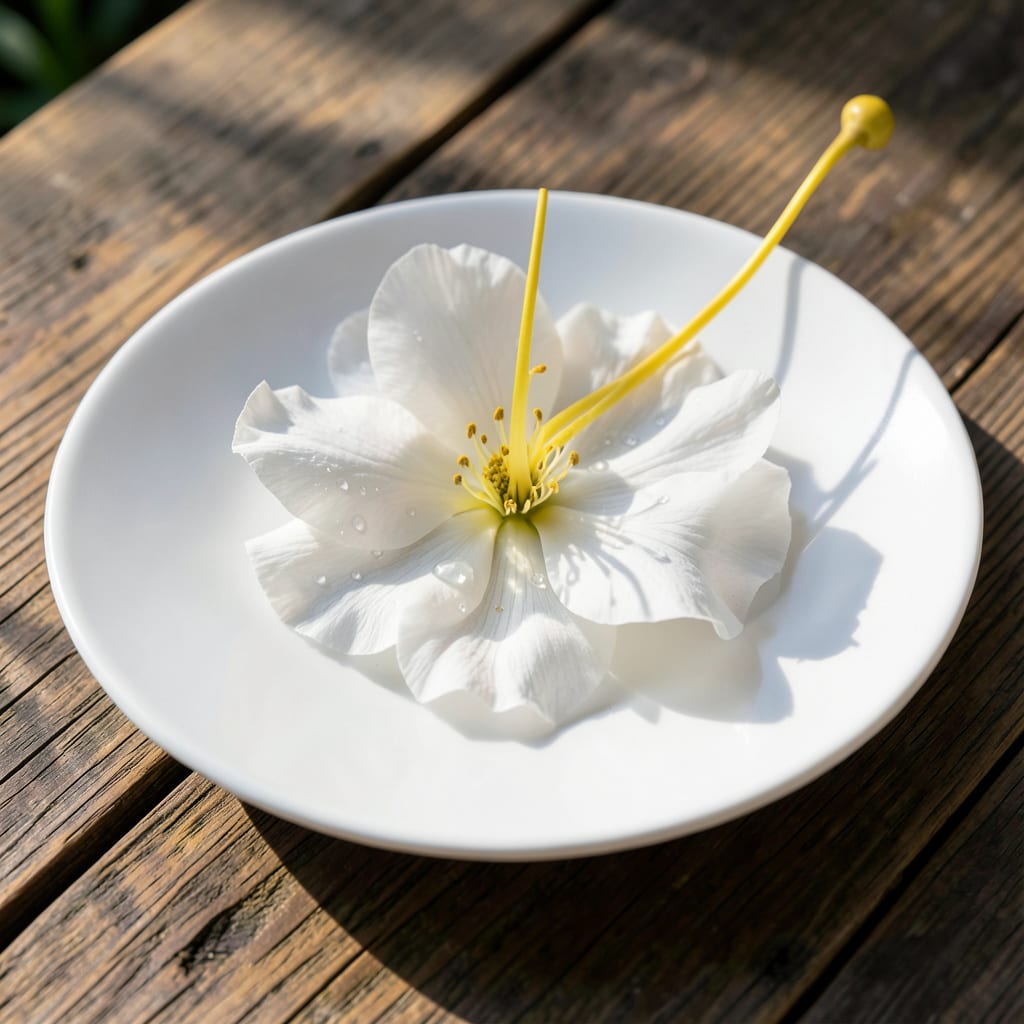
Yellow stems on white flowers usually signal trouble—but it’s fixable. I’ve nursed dozens of plants back from this exact issue, and the turnaround is faster than you’d expect.
The culprits are often nutrient imbalances, sneaky pests, or fungal hitchhikers. Iron deficiency tops the list, turning stems pale while leaves stay green. A soil test and targeted amendments can reverse it in 2-3 weeks.
Other times, aphids or powdery mildew stress the plant, robbing its vigor. Organic fixes like neem oil or compost tea work without harsh chemicals. The key is catching it early.
Your blooms will bounce back with vibrant color and stronger stems once the root cause is addressed. Here’s how to diagnose and treat it for good.
The appearance of white flowers with yellow stems is often a sign of underlying stress or imbalance in the plant. Here’s a breakdown of the most common causes, explained scientifically:
Plants require a balanced diet of nitrogen, phosphorus, and potassium (NPK) for healthy growth. A nitrogen deficiency can cause yellowing stems (chlorosis) as the plant struggles to produce chlorophyll. Similarly, a magnesium or iron deficiency disrupts chlorophyll synthesis, leading to pale or yellow stems while flowers remain white. Action: Test soil pH (ideal: 6.0–7.0) and apply a balanced fertilizer or targeted micronutrient supplement.
Excess water suffocates roots, preventing oxygen uptake and nutrient absorption. This triggers root rot, where stems turn yellow due to decay. Meanwhile, flowers may stay white as the plant prioritizes reproductive survival. Action: Ensure pots have drainage holes, use well-draining soil, and water only when the top inch of soil is dry.
Too much direct sunlight can bleach stems (photo-oxidative stress), turning them yellow while flowers adapt by reflecting excess light (appearing white). Conversely, insufficient light weakens stems, causing chlorosis. Action: Adjust light exposure—most flowering plants thrive in 6–8 hours of indirect sunlight daily.
Infections like powdery mildew or pests such as aphids sap nutrients from stems, leading to yellow discoloration. Flowers often remain unaffected early on. Action: Inspect plants regularly; treat with neem oil or insecticidal soap at first signs of infestation.
If your plants are showing signs of white flowers with yellowing stems, don’t worry—there are practical ways to nurse them back to health. Below are targeted solutions for common issues, along with prevention tips to keep your garden thriving. 🌱✨
Yellow stems often signal a lack of essential nutrients like nitrogen or magnesium. Use a balanced, organic fertilizer (10-10-10 or 5-5-5) to restore soil health. For a quick fix, try a foliar spray with Epsom salt (1 tablespoon per gallon of water) to boost magnesium. Test your soil first to avoid over-fertilizing, which can worsen the problem.
Prevention: Feed plants every 4-6 weeks during the growing season and rotate crops to prevent soil depletion.
Too much water can suffocate roots, leading to yellowing stems and stunted growth. Let the top 1-2 inches of soil dry out between waterings. Ensure pots have drainage holes and use a well-draining potting mix. If root rot is suspected, trim affected roots and repot in fresh soil.
Prevention: Water deeply but less frequently, and always check soil moisture with your finger before watering. 💡
Both too much and too little light can cause stress. If stems are yellow and leggy, your plant may need more sunlight. Move it to a brighter spot (6+ hours of direct light for sun-lovers). Conversely, if leaves appear scorched, provide afternoon shade or use a sheer curtain to diffuse light.
Prevention: Research your plant’s light needs and rotate pots weekly for even exposure.
Pests like aphids or spider mites sap nutrients, weakening stems. Spray plants with neem oil or insecticidal soap, focusing on the undersides of leaves. For severe cases, remove heavily infested parts and isolate the plant.
Prevention: Inspect plants regularly and introduce beneficial insects like ladybugs to keep pests in check. 🎯
With these fixes and a little TLC, your plants will bounce back to full bloom in no time!
Nutrient deficiencies, especially nitrogen or iron, often target stems before leaves. Overwatering and poor drainage can also trigger root rot, which shows as yellowing stems first.
Use a home soil test kit to check pH and nutrient levels. Ideal pH is 6.0-7.0. If pH is off, adjust with lime or sulfur before adding fertilizer.
Yes, trim severely damaged stems to redirect energy to healthy growth. Always use clean, sharp tools and prune just above a leaf node for best results.
